




Blower Motors
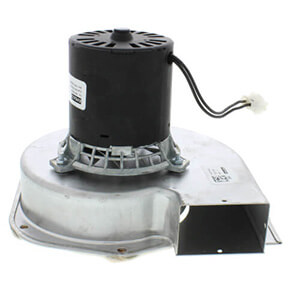
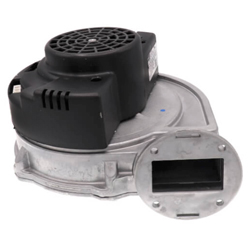
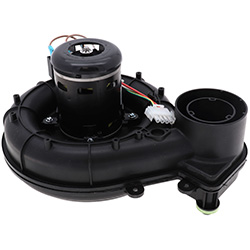
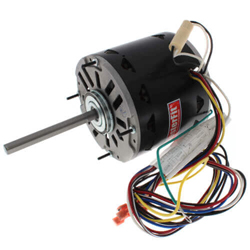
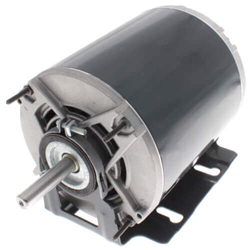
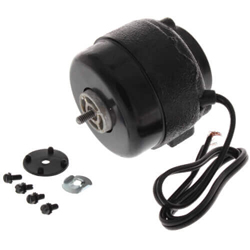
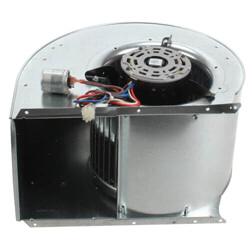
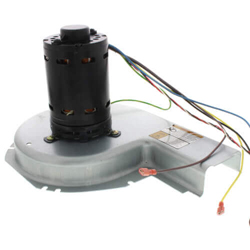
Blower motors are the components that move air through furnaces, air handlers, and HVAC systems, driving the blower wheel that pushes conditioned air into ductwork. The category includes motors built for specific brands like Carrier, Goodman-Amana, Rheem, and ICP Heil Quaker, alongside general replacement motors that fit a range of direct-drive and belt-drive blower assemblies. A failing blower motor often shows up as reduced airflow, unusual noise, or a system that runs but doesn't distribute air properly.
Selecting a blower motor means matching horsepower, voltage, rotation direction, and mounting configuration to the original equipment, since a mismatch on any of these specs can cause the replacement to underperform or fail to fit. Technicians who service a specific brand regularly benefit from stocking that manufacturer's common motor models, while general-purpose replacement motors cover a broader range of equipment when the original brand isn't on hand.


Subcategories
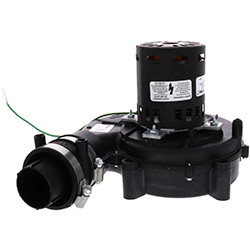
- Armstrong Air Draft Blowers & Motors: Armstrong Air draft blowers and motors support the induced-draft and combustion air systems used on Armstrong Air furnaces. Technicians servicing Armstrong equipment use this subcategory to find motors built to the manufacturer's original specifications. Matching the motor to the furnace's model number keeps venting and combustion airflow within design tolerances.
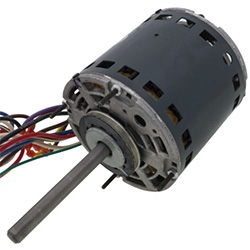
- Blower Motors: General blower motor replacements built for Nordyne-branded HVAC equipment, including furnaces and air handlers, fall under this subcategory. Technicians use it when a Nordyne unit needs a motor that matches original horsepower and rotation specs. Confirming the mounting configuration before ordering helps the motor fit without modification.
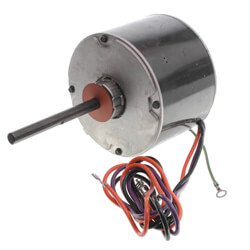
- Blower Motors & Parts: Blower motors and parts in this subcategory are built for York HVAC equipment, covering both the motor itself and related hardware like capacitors and mounting brackets. Technicians servicing York furnaces and air handlers rely on this grouping to find compatible components in one place. Checking the equipment's model number against the parts list confirms fit before ordering.
- Blower Parts: Blower parts cover general hardware associated with blower assemblies across multiple equipment brands, including wheels, housings, and mounting hardware. Technicians use this subcategory for components beyond the motor itself when servicing a blower assembly. Matching wheel size and shaft configuration to the existing assembly prevents balance and airflow issues.
- Carrier Blower Motors & Parts: Carrier blower motors and parts are built to the specifications of Carrier furnaces and air handlers, including motors, capacitors, and control modules. Technicians servicing Carrier equipment use this subcategory to source components that match the manufacturer's original design. Cross-referencing the furnace's model and serial number confirms the correct motor variant.
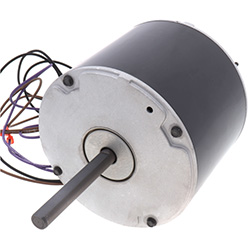
- Century Motors: Century Motors supplies general-purpose replacement blower motors that fit a wide range of HVAC equipment across multiple brands. Technicians use this subcategory when the original equipment manufacturer's motor isn't readily available or when a compatible general-purpose motor meets the repair's needs. Matching horsepower, voltage, and rotation direction to the original motor keeps the replacement performing as expected.
Buying Guide
Selecting a blower motor starts with identifying horsepower, voltage, and rotation direction from the original motor's nameplate, since these three specifications determine whether a replacement will move the correct volume of air in the right direction. A motor with too little horsepower can strain to move air through the ductwork, while one with too much can create excess noise and vibration.
Mounting configuration matters as much as electrical specs. Shaft length, mounting hole pattern, and frame size all need to match the original motor closely enough to fit the existing blower housing without modification. Measuring the original motor's dimensions before ordering avoids a return trip for a part that doesn't physically fit.
Brand-specific motors, such as those built for Carrier, York, or Armstrong Air equipment, are designed to match the manufacturer's original engineering tolerances and mounting hardware exactly. General-purpose motors from suppliers like Century Motors can serve as a practical alternative when a brand-specific motor isn't readily available, provided the electrical and mechanical specs line up.
Capacitor compatibility deserves attention alongside the motor itself, since a mismatched capacitor can cause a new motor to run inefficiently or fail prematurely. Checking the capacitor's microfarad rating and voltage against the motor's requirements during installation prevents this common cause of early motor failure.
For older equipment where the original motor model has been discontinued, cross-reference guides from the manufacturer or distributor can help identify an approved substitute. Working from the furnace or air handler's full model and serial number narrows the search to motors confirmed to fit that specific unit.
Frequently Asked Questions
How do I know what size blower motor my system needs?
Check the nameplate on the existing motor for horsepower, voltage, and rotation direction, then match those specs on the replacement. The furnace or air handler's model number can also confirm the correct motor if the original nameplate isn't legible.
What's the difference between direct-drive and belt-drive blower motors?
Direct-drive motors connect straight to the blower wheel without a belt, while belt-drive motors use a belt and pulley system to turn the wheel. The two types aren't interchangeable, so confirming which configuration the existing system uses is a necessary first step.
Can I use a general-purpose motor instead of a brand-specific one?
General-purpose motors can work as long as horsepower, voltage, rotation direction, and mounting dimensions match the original motor. Brand-specific motors are engineered to the manufacturer's exact tolerances, which can simplify the match for equipment still under warranty.
Why does a new blower motor need a new capacitor?
A capacitor that's aged or mismatched to the new motor's requirements can cause the motor to run hot or fail early. Checking the capacitor's microfarad and voltage rating against the motor's specs during installation helps the new motor run as designed.
What causes a blower motor to fail?
Common causes include worn bearings, capacitor failure, and prolonged operation in a dirty or overheated environment. Reduced airflow, grinding noise, or a motor that hums but doesn't spin are typical early warning signs worth investigating.
Resources
Subcategories
- Armstrong Air Draft Blowers & Motors: Armstrong Air draft blowers and motors support the induced-draft and combustion air systems used on Armstrong Air furnaces. Technicians servicing Armstrong equipment use this subcategory to find motors built to the manufacturer's original specifications. Matching the motor to the furnace's model number keeps venting and combustion airflow within design tolerances.
- Blower Motors: General blower motor replacements built for Nordyne-branded HVAC equipment, including furnaces and air handlers, fall under this subcategory. Technicians use it when a Nordyne unit needs a motor that matches original horsepower and rotation specs. Confirming the mounting configuration before ordering helps the motor fit without modification.
- Blower Motors & Parts: Blower motors and parts in this subcategory are built for York HVAC equipment, covering both the motor itself and related hardware like capacitors and mounting brackets. Technicians servicing York furnaces and air handlers rely on this grouping to find compatible components in one place. Checking the equipment's model number against the parts list confirms fit before ordering.
- Blower Parts: Blower parts cover general hardware associated with blower assemblies across multiple equipment brands, including wheels, housings, and mounting hardware. Technicians use this subcategory for components beyond the motor itself when servicing a blower assembly. Matching wheel size and shaft configuration to the existing assembly prevents balance and airflow issues.
- Carrier Blower Motors & Parts: Carrier blower motors and parts are built to the specifications of Carrier furnaces and air handlers, including motors, capacitors, and control modules. Technicians servicing Carrier equipment use this subcategory to source components that match the manufacturer's original design. Cross-referencing the furnace's model and serial number confirms the correct motor variant.
- Century Motors: Century Motors supplies general-purpose replacement blower motors that fit a wide range of HVAC equipment across multiple brands. Technicians use this subcategory when the original equipment manufacturer's motor isn't readily available or when a compatible general-purpose motor meets the repair's needs. Matching horsepower, voltage, and rotation direction to the original motor keeps the replacement performing as expected.
Buying Guide
Selecting a blower motor starts with identifying horsepower, voltage, and rotation direction from the original motor's nameplate, since these three specifications determine whether a replacement will move the correct volume of air in the right direction. A motor with too little horsepower can strain to move air through the ductwork, while one with too much can create excess noise and vibration.
Mounting configuration matters as much as electrical specs. Shaft length, mounting hole pattern, and frame size all need to match the original motor closely enough to fit the existing blower housing without modification. Measuring the original motor's dimensions before ordering avoids a return trip for a part that doesn't physically fit.
Brand-specific motors, such as those built for Carrier, York, or Armstrong Air equipment, are designed to match the manufacturer's original engineering tolerances and mounting hardware exactly. General-purpose motors from suppliers like Century Motors can serve as a practical alternative when a brand-specific motor isn't readily available, provided the electrical and mechanical specs line up.
Capacitor compatibility deserves attention alongside the motor itself, since a mismatched capacitor can cause a new motor to run inefficiently or fail prematurely. Checking the capacitor's microfarad rating and voltage against the motor's requirements during installation prevents this common cause of early motor failure.
For older equipment where the original motor model has been discontinued, cross-reference guides from the manufacturer or distributor can help identify an approved substitute. Working from the furnace or air handler's full model and serial number narrows the search to motors confirmed to fit that specific unit.
Frequently Asked Questions
How do I know what size blower motor my system needs?
Check the nameplate on the existing motor for horsepower, voltage, and rotation direction, then match those specs on the replacement. The furnace or air handler's model number can also confirm the correct motor if the original nameplate isn't legible.
What's the difference between direct-drive and belt-drive blower motors?
Direct-drive motors connect straight to the blower wheel without a belt, while belt-drive motors use a belt and pulley system to turn the wheel. The two types aren't interchangeable, so confirming which configuration the existing system uses is a necessary first step.
Can I use a general-purpose motor instead of a brand-specific one?
General-purpose motors can work as long as horsepower, voltage, rotation direction, and mounting dimensions match the original motor. Brand-specific motors are engineered to the manufacturer's exact tolerances, which can simplify the match for equipment still under warranty.
Why does a new blower motor need a new capacitor?
A capacitor that's aged or mismatched to the new motor's requirements can cause the motor to run hot or fail early. Checking the capacitor's microfarad and voltage rating against the motor's specs during installation helps the new motor run as designed.
What causes a blower motor to fail?
Common causes include worn bearings, capacitor failure, and prolonged operation in a dirty or overheated environment. Reduced airflow, grinding noise, or a motor that hums but doesn't spin are typical early warning signs worth investigating.