




Filters
SORT
Product Availability –
Horse Power –
Voltage –
Review Score –
 --%3E %3Csvg version='1.1' id='Fill' xmlns='http://www.w3.org/2000/svg' xmlns:xlink='http://www.w3.org/1999/xlink' x='0px' y='0px' viewBox='0 0 100 100' enable-background='new 0 0 100 100' xml:space='preserve'%3E %3Cpath fill='%23F15C02' d='M79.44,0.95H20.56C9.78,0.95,0.95,9.78,0.95,20.56v58.87c0,10.79,8.82,19.61,19.61,19.61h58.87 c10.79,0,19.61-8.83,19.61-19.61V20.56C99.05,9.78,90.22,0.95,79.44,0.95z M65.38,58.24l9.38,29.58L49.69,69.78L24.5,87.82 l9.34-29.6L8.8,39.6l30.73-0.17c0,0,6.98-19.61,10-28.93c0.54,1.36,9.88,29.1,9.88,29.1H91.2L65.38,58.24z'/%3E %3C/svg%3E)
 --%3E %3Csvg version='1.1' id='With-RB' xmlns='http://www.w3.org/2000/svg' xmlns:xlink='http://www.w3.org/1999/xlink' x='0px' y='0px' viewBox='0 0 100 100' enable-background='new 0 0 100 100' xml:space='preserve'%3E %3Cpath fill='%23FBC8B4' d='M79.44,0.95H20.56C9.78,0.95,0.95,9.78,0.95,20.56v58.87c0,10.79,8.82,19.61,19.61,19.61h58.87 c10.79,0,19.61-8.83,19.61-19.61V20.56C99.05,9.78,90.22,0.95,79.44,0.95z M65.38,58.24l9.38,29.58L49.69,69.78L24.5,87.82 l9.34-29.6L8.8,39.6l30.73-0.17c0,0,6.98-19.61,10-28.93c0.54,1.36,9.88,29.1,9.88,29.1H91.2L65.38,58.24z'/%3E %3C/svg%3E)
Price Range –
ICP Heil Quaker Motors & Parts

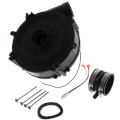

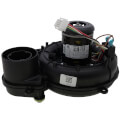
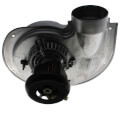
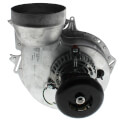
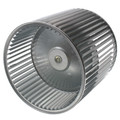
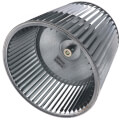
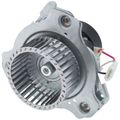
 --%3E %3Csvg version='1.1' id='Half' xmlns='http://www.w3.org/2000/svg' xmlns:xlink='http://www.w3.org/1999/xlink' x='0px' y='0px' viewBox='0 0 100 100' enable-background='new 0 0 100 100' xml:space='preserve'%3E %3Cg%3E %3Cpath fill='%23F15C02' d='M30.05,70.23l3.79-12.01L8.8,39.6l30.73-0.17c0,0,6.98-19.61,10-28.93c0.54,1.36,9.88,29.1,9.88,29.1h1.58 L93.71,7.18c-3.58-3.82-8.66-6.23-14.28-6.23H20.56C9.78,0.95,0.95,9.78,0.95,20.56v58.87c0,5.41,2.22,10.32,5.79,13.88 L30.05,70.23z'/%3E %3C/g%3E %3Cpath fill='%23FBC8B4' d='M93.71,7.18L60.98,39.6H91.2L65.38,58.24l9.38,29.58L49.69,69.78L24.5,87.82l5.55-17.59L6.75,93.32 c3.55,3.54,8.44,5.73,13.82,5.73h58.87c10.79,0,19.61-8.83,19.61-19.61V20.56C99.05,15.4,97.01,10.69,93.71,7.18z'/%3E %3C/svg%3E)
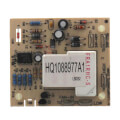
 --%3E %3Csvg version='1.1' id='No-RB' xmlns='http://www.w3.org/2000/svg' xmlns:xlink='http://www.w3.org/1999/xlink' x='0px' y='0px' viewBox='0 0 100 100' enable-background='new 0 0 100 100' xml:space='preserve'%3E %3Cpath fill='%23CECECE' d='M79.44,0.95H20.56C9.78,0.95,0.95,9.78,0.95,20.56v58.87c0,10.79,8.82,19.61,19.61,19.61h58.87 c10.79,0,19.61-8.83,19.61-19.61V20.56C99.05,9.78,90.22,0.95,79.44,0.95z M65.38,58.24l9.38,29.58L49.69,69.78L24.5,87.82 l9.34-29.6L8.8,39.6l30.73-0.17c0,0,6.98-19.61,10-28.93c0.54,1.36,9.88,29.1,9.88,29.1H91.2L65.38,58.24z'/%3E %3C/svg%3E)
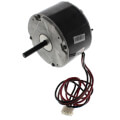
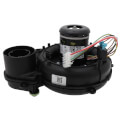
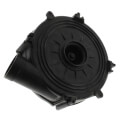
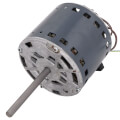
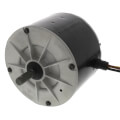
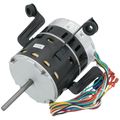
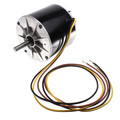
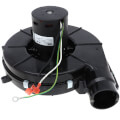
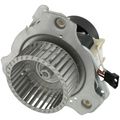
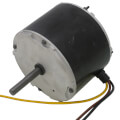
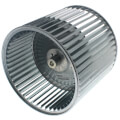
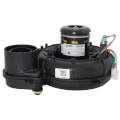
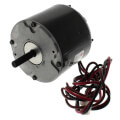
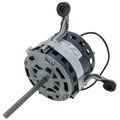
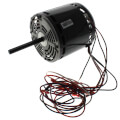
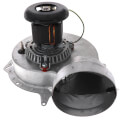
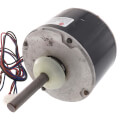

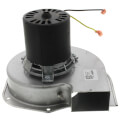
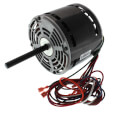
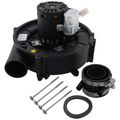
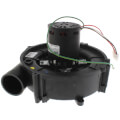

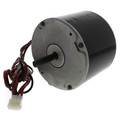
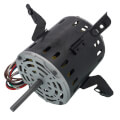
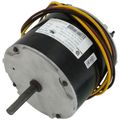
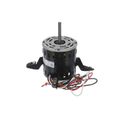
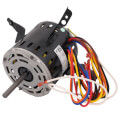
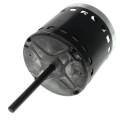
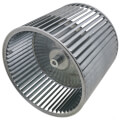
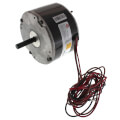
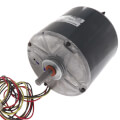
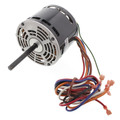
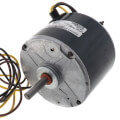
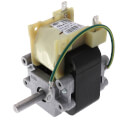
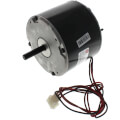
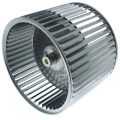
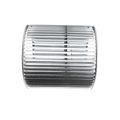

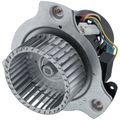
ICP Heil Quaker motors and parts cover the replacement blower motors, capacitors, control boards, and other service components used to keep furnaces and air handlers built under the ICP family of brands running after the original factory parts wear out. Heil, Comfortmaker, Tempstar, and other ICP branded equipment share many of the same motor platforms and control designs across model years, so a repair technician often finds that a single part number services multiple furnace or air handler models from the lineup. Because so much of this equipment stays in service well past a decade, demand for these replacement parts stays steady even as newer high efficiency systems reach the market. Contractors specify original equipment parts on ICP branded units rather than universal substitutes when a customer wants the repair to match the equipment's factory electrical characteristics exactly, particularly on variable speed blower motors where a mismatched replacement can throw airflow and static pressure out of the range the system was designed around.
Subcategories
- Blower Motors: Single speed and variable speed replacement motors sized to match the horsepower and mounting configuration of the original ICP equipment. Getting the correct rotation and shaft length matters as much as horsepower, since a mismatched motor can bind against the blower housing during installation.
- Motor Capacitors: Run capacitors rated to the microfarad and voltage specification of the original motor, used whenever a technician diagnoses a weak or failed capacitor rather than a full motor failure. Capacitors fail far more often than the motor windings themselves, making this one of the most common service parts pulled for this equipment.
- Control Boards: Integrated furnace control boards that manage ignition sequencing, blower timing, and safety interlocks for the specific furnace platform. A board swap typically requires matching the exact revision level to keep diagnostic codes and staging behavior consistent with the rest of the system.
- Igniters & Flame Sensors: Hot surface igniters and flame sensor rods that wear out from repeated heating cycles and are among the most frequently replaced components on gas furnaces in this lineup. Both parts are inexpensive relative to a full service call, so many contractors keep a stock of common igniter styles on the truck.
Buying Guide
Sourcing the correct ICP Heil Quaker motor or part starts with the equipment's model and serial number rather than a visual match to the failed component, since ICP brands share platforms across Heil, Comfortmaker, and Tempstar labels and a part that looks similar can carry a different electrical rating. Pulling the rating plate information before ordering avoids a mismatched part arriving on site.
Blower motor replacements call for special attention to horsepower, speed type, and rotation direction. Variable speed motors in particular are programmed to the airflow profile of the specific furnace or air handler model, so swapping in a generic variable speed motor without matching the control interface can leave the system running outside its intended airflow range.
Capacitors should be matched exactly on microfarad rating and voltage class rather than rounded up or down, since an incorrect capacitor value shortens motor life even when the motor otherwise appears to run normally. It is worth confirming both values against the motor's nameplate rather than the old capacitor alone if that part has already been swapped once before.
Control board revisions matter more than they might appear at first glance. Two boards that look identical can differ in firmware or staging logic between production runs, and installing the wrong revision can cause diagnostic codes that have nothing to do with the actual fault being repaired.
For any of these parts, confirming compatibility against the furnace or air handler's specific model number, rather than assuming interchangeability across the broader ICP brand family, is the surest way to avoid a return trip for a part that does not quite fit or perform correctly once installed.
Frequently Asked Questions
Are parts interchangeable between Heil, Comfortmaker, and Tempstar equipment?
Many components share the same platform across these ICP brands, but interchangeability should always be confirmed against the specific model and serial number rather than assumed from the brand name alone.
What is the most common reason a blower motor fails on this equipment?
Bearing wear from years of continuous cycling and capacitor failure are the two most frequent causes, with a failed capacitor often mistaken for a bad motor until it is tested separately.
Can a single speed motor be replaced with a variable speed motor?
Not without matching the correct control interface and programming, since variable speed motors rely on a control signal from the furnace board that a single speed motor is not built to send or receive.
How often should igniters and flame sensors be replaced?
There is no fixed interval, since wear depends on cycling frequency, but both parts are common points of failure at the start of each heating season and are worth inspecting during annual maintenance.
Why does a control board replacement sometimes trigger new fault codes?
Different firmware revisions between board versions can interpret sensor inputs differently, so a board that is functionally similar but a different revision can produce codes unrelated to the original problem.
