




Filters
SORT
Product Availability –
Review Score –
 --%3E %3Csvg version='1.1' id='Fill' xmlns='http://www.w3.org/2000/svg' xmlns:xlink='http://www.w3.org/1999/xlink' x='0px' y='0px' viewBox='0 0 100 100' enable-background='new 0 0 100 100' xml:space='preserve'%3E %3Cpath fill='%23F15C02' d='M79.44,0.95H20.56C9.78,0.95,0.95,9.78,0.95,20.56v58.87c0,10.79,8.82,19.61,19.61,19.61h58.87 c10.79,0,19.61-8.83,19.61-19.61V20.56C99.05,9.78,90.22,0.95,79.44,0.95z M65.38,58.24l9.38,29.58L49.69,69.78L24.5,87.82 l9.34-29.6L8.8,39.6l30.73-0.17c0,0,6.98-19.61,10-28.93c0.54,1.36,9.88,29.1,9.88,29.1H91.2L65.38,58.24z'/%3E %3C/svg%3E)
 --%3E %3Csvg version='1.1' id='With-RB' xmlns='http://www.w3.org/2000/svg' xmlns:xlink='http://www.w3.org/1999/xlink' x='0px' y='0px' viewBox='0 0 100 100' enable-background='new 0 0 100 100' xml:space='preserve'%3E %3Cpath fill='%23FBC8B4' d='M79.44,0.95H20.56C9.78,0.95,0.95,9.78,0.95,20.56v58.87c0,10.79,8.82,19.61,19.61,19.61h58.87 c10.79,0,19.61-8.83,19.61-19.61V20.56C99.05,9.78,90.22,0.95,79.44,0.95z M65.38,58.24l9.38,29.58L49.69,69.78L24.5,87.82 l9.34-29.6L8.8,39.6l30.73-0.17c0,0,6.98-19.61,10-28.93c0.54,1.36,9.88,29.1,9.88,29.1H91.2L65.38,58.24z'/%3E %3C/svg%3E)
Price Range –
Goodman Amana Blower Motors



 --%3E %3Csvg version='1.1' id='Half' xmlns='http://www.w3.org/2000/svg' xmlns:xlink='http://www.w3.org/1999/xlink' x='0px' y='0px' viewBox='0 0 100 100' enable-background='new 0 0 100 100' xml:space='preserve'%3E %3Cg%3E %3Cpath fill='%23F15C02' d='M30.05,70.23l3.79-12.01L8.8,39.6l30.73-0.17c0,0,6.98-19.61,10-28.93c0.54,1.36,9.88,29.1,9.88,29.1h1.58 L93.71,7.18c-3.58-3.82-8.66-6.23-14.28-6.23H20.56C9.78,0.95,0.95,9.78,0.95,20.56v58.87c0,5.41,2.22,10.32,5.79,13.88 L30.05,70.23z'/%3E %3C/g%3E %3Cpath fill='%23FBC8B4' d='M93.71,7.18L60.98,39.6H91.2L65.38,58.24l9.38,29.58L49.69,69.78L24.5,87.82l5.55-17.59L6.75,93.32 c3.55,3.54,8.44,5.73,13.82,5.73h58.87c10.79,0,19.61-8.83,19.61-19.61V20.56C99.05,15.4,97.01,10.69,93.71,7.18z'/%3E %3C/svg%3E)

 --%3E %3Csvg version='1.1' id='No-RB' xmlns='http://www.w3.org/2000/svg' xmlns:xlink='http://www.w3.org/1999/xlink' x='0px' y='0px' viewBox='0 0 100 100' enable-background='new 0 0 100 100' xml:space='preserve'%3E %3Cpath fill='%23CECECE' d='M79.44,0.95H20.56C9.78,0.95,0.95,9.78,0.95,20.56v58.87c0,10.79,8.82,19.61,19.61,19.61h58.87 c10.79,0,19.61-8.83,19.61-19.61V20.56C99.05,9.78,90.22,0.95,79.44,0.95z M65.38,58.24l9.38,29.58L49.69,69.78L24.5,87.82 l9.34-29.6L8.8,39.6l30.73-0.17c0,0,6.98-19.61,10-28.93c0.54,1.36,9.88,29.1,9.88,29.1H91.2L65.38,58.24z'/%3E %3C/svg%3E)
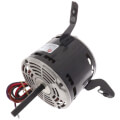
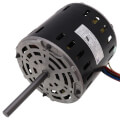
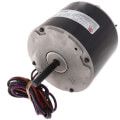
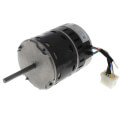
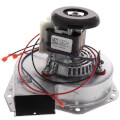
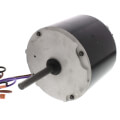
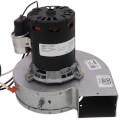
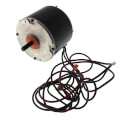
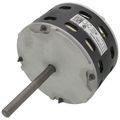
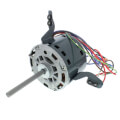
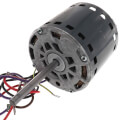
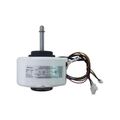
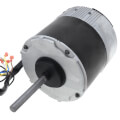
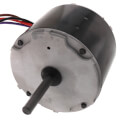
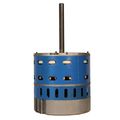
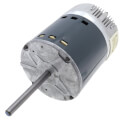
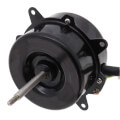
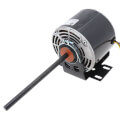
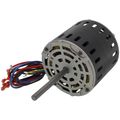
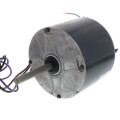
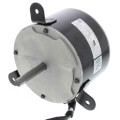
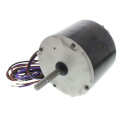
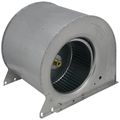
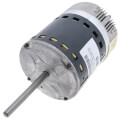

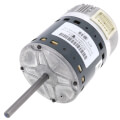
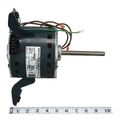

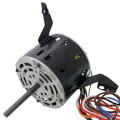
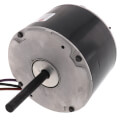
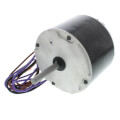
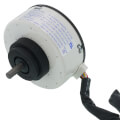
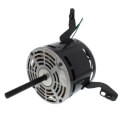
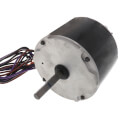
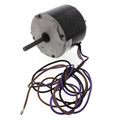
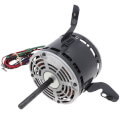
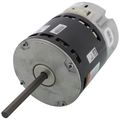
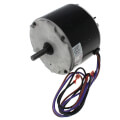
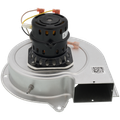
Goodman Amana blower motors circulate air through the air handler or furnace cabinet, pulling air across the coil or heat exchanger and pushing it into the ductwork that conditions each room. These motors mount directly to the blower wheel inside the cabinet, so matching horsepower, rotation, and mounting configuration to the original equipment is central to restoring correct airflow. Contractors stock replacement blower motors because a weakening or failed motor is one of the more common reasons a Goodman or Amana system stops moving air even while the burner or compressor still runs normally. A motor that's underpowered or mismatched for the application can leave a system short on airflow, which shows up as uneven temperatures, longer run times, and added strain on the rest of the equipment. Because the blower runs for long stretches during both heating and cooling seasons, installing a properly matched replacement helps the system deliver the airflow it was designed around and keeps comfort and equipment life on track.
Subcategories
- PSC Blower Motors: PSC (permanent split capacitor) blower motors run at a single fixed speed and are common in older Goodman and Amana furnaces and air handlers that don't require variable airflow. Techs replace these when the original motor seizes, hums without spinning, or draws excessive current on startup. A run capacitor typically fails alongside the motor, so many contractors replace both at the same time to avoid a second callback. Matching rotation direction and shaft diameter to the original motor keeps the blower wheel properly balanced.
- Variable-Speed Blower Motors: Variable-speed blower motors adjust airflow across multiple stages to match heating or cooling demand, and they're standard on newer Goodman and Amana furnace and air handler models. These motors rely on a control module that communicates with the furnace board, so a fault in either component can produce similar symptoms of low or no airflow. Confirming the control module and motor are matched to the same equipment platform prevents communication errors after installation. Because variable-speed motors cost more than PSC motors, techs generally confirm the motor itself has failed with a direct test before replacing it.
- Blower Motor Mounting Kits & Brackets: Mounting kits and brackets secure the blower motor to the housing and keep it aligned with the blower wheel, and a worn or missing bracket can let the motor shift enough to cause noise or premature wear. Contractors typically replace these when reusing an older cabinet with a new motor, since mounting hardware doesn't always transfer cleanly between motor generations. Selecting a bracket built for the specific motor frame size keeps the assembly properly seated. The hardware itself costs little compared with the motor, so many techs keep a small supply on hand alongside common motor replacements.
- Blower Wheels: Blower wheels attach to the motor shaft and move the actual volume of air through the cabinet, and a cracked, unbalanced, or debris-clogged wheel can mimic the symptoms of a failing motor. Replacing the wheel at the same time as the motor is common practice when the wheel shows wear, since reusing a worn wheel can shorten the life of a brand new motor. Matching wheel diameter and width to the original part keeps airflow and static pressure within the range the equipment was designed for. Techs handling older Goodman and Amana units often check wheel condition first, since it's a lower cost part to rule out before ordering a motor.
Buying Guide
Replacing a Goodman Amana blower motor starts with confirming which component actually failed, since a bad capacitor, a failed control module, or a jammed blower wheel can all produce the same low or no airflow symptom as a burned out motor. Testing the motor directly with a multimeter, rather than assuming based on symptoms alone, avoids replacing a part that wasn't the actual problem. Once the motor is confirmed as the failure point, matching horsepower, rotation direction, and shaft diameter to the original equipment keeps airflow and static pressure within the range the system was designed around, since even a close but incorrect match can leave a system underperforming. PSC motors are generally interchangeable within compatible frame sizes, but variable-speed motors are often tied to a specific control module, so confirming both components are matched to the same equipment platform before ordering prevents a mismatch after installation. Checking the equipment's model and serial number against the manufacturer's parts breakdown, rather than relying on a visual match to the old motor, is the more reliable way to order the correct replacement. Techs replacing a Goodman Amana blower motor on an older unit also do well to inspect the blower wheel and mounting hardware while the cabinet is open, since a worn wheel or loose bracket can shorten the life of a newly installed motor and lead to an unnecessary second visit.
Frequently Asked Questions
How do I know if the blower motor is the actual problem?
Testing the motor directly with a multimeter, rather than relying on symptoms alone, confirms whether the motor itself has failed or whether a capacitor, control module, or blower wheel is causing the same low airflow symptoms.
Can a PSC blower motor be swapped for a variable-speed model?
Not without also replacing the compatible control module and confirming the furnace or air handler board supports variable-speed operation, since the two motor types rely on different control logic and aren't interchangeable on their own.
Does the run capacitor need to be replaced along with the motor?
A capacitor that's weak or out of tolerance often fails around the same time as a PSC motor, so many contractors test or replace it at the same visit to avoid a repeat callback.
What should be checked before ordering a replacement motor?
Confirming horsepower, rotation direction, and shaft diameter against the original equipment's model and serial number, rather than matching by appearance alone, is the more reliable way to get the correct part on the first order.
Should the blower wheel be replaced at the same time as the motor?
A wheel that's cracked, unbalanced, or heavily loaded with debris is worth replacing alongside the motor, since reusing a worn wheel can shorten the life of a new motor and lead to a repeat service call.
