




Breaker Boxes

 --%3E %3Csvg version='1.1' id='No-RB' xmlns='http://www.w3.org/2000/svg' xmlns:xlink='http://www.w3.org/1999/xlink' x='0px' y='0px' viewBox='0 0 100 100' enable-background='new 0 0 100 100' xml:space='preserve'%3E %3Cpath fill='%23CECECE' d='M79.44,0.95H20.56C9.78,0.95,0.95,9.78,0.95,20.56v58.87c0,10.79,8.82,19.61,19.61,19.61h58.87 c10.79,0,19.61-8.83,19.61-19.61V20.56C99.05,9.78,90.22,0.95,79.44,0.95z M65.38,58.24l9.38,29.58L49.69,69.78L24.5,87.82 l9.34-29.6L8.8,39.6l30.73-0.17c0,0,6.98-19.61,10-28.93c0.54,1.36,9.88,29.1,9.88,29.1H91.2L65.38,58.24z'/%3E %3C/svg%3E)
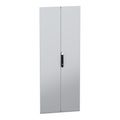
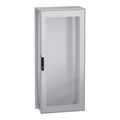
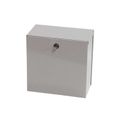
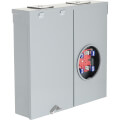

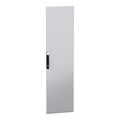
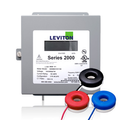
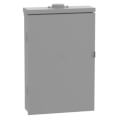
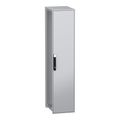
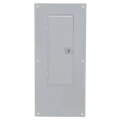

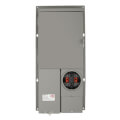
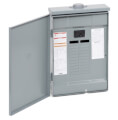

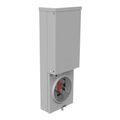

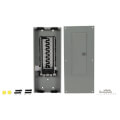

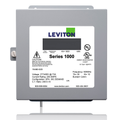
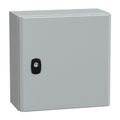
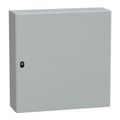
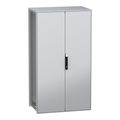
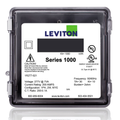
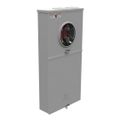

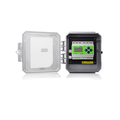
Breaker boxes house the circuit breakers that protect a building's electrical circuits from overload and short circuits while distributing power from the main service to individual branch circuits. Contractors install them during new construction, service upgrades, and panel replacements when an older fuse box or undersized panel can no longer support the building's electrical load. A breaker box typically includes a main disconnect, a bus bar for distributing power, and slots for individual circuit breakers, with the total number of slots setting a limit on how many circuits the panel can serve. Selecting the right panel means matching amperage capacity to the building's electrical demand and leaving room for future circuits rather than filling every slot on day one. Electricians also account for the panel's physical size and mounting location, since code requirements govern clearance and accessibility around the box. Getting the panel sized and installed correctly keeps the system safe and gives room to add circuits later without a full panel swap.
Subcategories
- Main Breaker Panels: Main breaker panels include a built-in main disconnect that shuts off power to the entire panel in one step. This design is common in most residential and light commercial installations because it simplifies emergency shutoff. Electricians favor these panels when the service entrance does not already have a separate main disconnect. The integrated disconnect also reduces the number of separate components needed at the service entrance.
- Main Lug Panels: Main lug panels lack a built-in main disconnect and rely on an upstream breaker or disconnect elsewhere in the system to cut power. These are often used as subpanels fed from a main breaker panel elsewhere in the building. Contractors choose them when adding circuit capacity to an area already served by an existing main disconnect. Sizing the feed from the upstream panel correctly is essential for safe operation.
- Load Centers: Load centers is another common term for the enclosure that houses breakers and distributes circuits, and the term is often used interchangeably with breaker box or panel. These come in a range of amperage ratings and circuit counts to match different building sizes. Contractors select a load center based on total connected load plus room for future circuit additions. Indoor and outdoor rated versions exist depending on where the panel will be mounted.
Buying Guide
Choosing the right breaker box starts with calculating the building's total electrical load, including existing circuits and any planned additions such as an EV charger, workshop equipment, or an addition to the home. Undersizing the panel now often means a costly upgrade later, so many electricians recommend leaving headroom above the calculated load.
Circuit slot count matters just as much as amperage rating. A panel with plenty of amperage capacity but too few open slots still limits how many circuits can be added down the road. Panels with additional slots, or slots that accept tandem breakers, give more flexibility for future expansion.
Deciding between a main breaker panel and a main lug panel depends on whether the installation needs its own disconnect or is being fed from an existing one. A main lug panel installed as a subpanel is common when extending circuits to a detached garage, workshop, or addition already served by the primary panel's main disconnect.
Physical space and mounting location also factor into the decision, since code requirements set minimum clearance around breaker boxes for safe access. Indoor panels and outdoor-rated enclosures are built differently, so confirm the mounting environment before selecting a specific breaker box.
Finally, confirm compatibility between the panel and the specific breakers planned for use, since breaker brands and panel bus designs are not always interchangeable across manufacturers.
Frequently Asked Questions
What is the difference between a main breaker panel and a main lug panel?
A main breaker panel includes a built-in disconnect that shuts off the entire panel, while a main lug panel has no built-in disconnect and relies on an upstream breaker or disconnect. Main lug panels are commonly used as subpanels fed from a main breaker panel elsewhere in the building.
How do I know what amperage panel I need?
Panel amperage should be based on a calculation of the building's total electrical load, including existing circuits and any planned future additions. Leaving some headroom above the calculated load gives room to add circuits later without a full panel replacement.
Can breaker boxes be installed outdoors?
Yes, outdoor-rated panels are built to handle exposure to the elements, but they differ from indoor panels in construction and sealing. Confirm the panel's rating matches its intended mounting location before installation.
Are all circuit breakers compatible with any breaker box?
No, breaker compatibility depends on the panel's bus design, and not every breaker brand fits every panel. Always confirm compatibility between the specific panel and the breakers planned for use before purchasing.
Why would I choose a subpanel instead of upgrading the main panel?
A subpanel, often using a main lug design, adds circuit capacity to an area like a garage or addition without replacing the entire main panel. This can be a more practical option when the main panel already has an appropriate main disconnect and enough capacity to feed the subpanel.
