




Filters
SORT
Product Availability –
Reduction Claim –
Review Score –
 --%3E %3Csvg version='1.1' id='Fill' xmlns='http://www.w3.org/2000/svg' xmlns:xlink='http://www.w3.org/1999/xlink' x='0px' y='0px' viewBox='0 0 100 100' enable-background='new 0 0 100 100' xml:space='preserve'%3E %3Cpath fill='%23F15C02' d='M79.44,0.95H20.56C9.78,0.95,0.95,9.78,0.95,20.56v58.87c0,10.79,8.82,19.61,19.61,19.61h58.87 c10.79,0,19.61-8.83,19.61-19.61V20.56C99.05,9.78,90.22,0.95,79.44,0.95z M65.38,58.24l9.38,29.58L49.69,69.78L24.5,87.82 l9.34-29.6L8.8,39.6l30.73-0.17c0,0,6.98-19.61,10-28.93c0.54,1.36,9.88,29.1,9.88,29.1H91.2L65.38,58.24z'/%3E %3C/svg%3E)
 --%3E %3Csvg version='1.1' id='With-RB' xmlns='http://www.w3.org/2000/svg' xmlns:xlink='http://www.w3.org/1999/xlink' x='0px' y='0px' viewBox='0 0 100 100' enable-background='new 0 0 100 100' xml:space='preserve'%3E %3Cpath fill='%23FBC8B4' d='M79.44,0.95H20.56C9.78,0.95,0.95,9.78,0.95,20.56v58.87c0,10.79,8.82,19.61,19.61,19.61h58.87 c10.79,0,19.61-8.83,19.61-19.61V20.56C99.05,9.78,90.22,0.95,79.44,0.95z M65.38,58.24l9.38,29.58L49.69,69.78L24.5,87.82 l9.34-29.6L8.8,39.6l30.73-0.17c0,0,6.98-19.61,10-28.93c0.54,1.36,9.88,29.1,9.88,29.1H91.2L65.38,58.24z'/%3E %3C/svg%3E)
Price Range –
Everpure Water Filters

 --%3E %3Csvg version='1.1' id='No-RB' xmlns='http://www.w3.org/2000/svg' xmlns:xlink='http://www.w3.org/1999/xlink' x='0px' y='0px' viewBox='0 0 100 100' enable-background='new 0 0 100 100' xml:space='preserve'%3E %3Cpath fill='%23CECECE' d='M79.44,0.95H20.56C9.78,0.95,0.95,9.78,0.95,20.56v58.87c0,10.79,8.82,19.61,19.61,19.61h58.87 c10.79,0,19.61-8.83,19.61-19.61V20.56C99.05,9.78,90.22,0.95,79.44,0.95z M65.38,58.24l9.38,29.58L49.69,69.78L24.5,87.82 l9.34-29.6L8.8,39.6l30.73-0.17c0,0,6.98-19.61,10-28.93c0.54,1.36,9.88,29.1,9.88,29.1H91.2L65.38,58.24z'/%3E %3C/svg%3E)

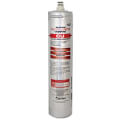

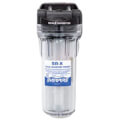
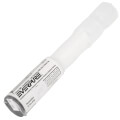

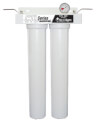
Everpure Water Filters are commercial filtration systems built to protect foodservice equipment from sediment, chlorine, and scale-forming minerals. Pentair, the manufacturer, sells them as filtration systems, replacement cartridges, and filtration heads and manifolds, along with water softeners for high-hardness water supplies. Restaurant and hospitality operators install Everpure filters ahead of ice machines, espresso and coffee brewers, combi ovens and steamers, fountain beverage dispensers, and warewashing lines. The systems reduce suspended particles and chlorine or chloramine taste and odor while inhibiting bacterial growth and scale buildup inside connected equipment. Cartridge casings are built from commercial-grade aluminum to hold up under continuous kitchen use. Selecting the right Everpure filter protects the investment in ice machines and beverage equipment, since scale and sediment buildup are common causes of premature failure and costly service calls. Kitchen managers and facility engineers use these systems to keep water quality consistent across every piece of connected equipment in a commercial kitchen.
Subcategories
- Filtration Systems: Filtration systems combine the cartridge, head, and mounting hardware into a complete assembly built for a specific application. Everpure systems cover ice machines, espresso and coffee brewers, combi ovens and steamers, fountain beverage dispensers, and warewashing lines. Some setups use a single cartridge, while higher-demand kitchens run multi-stage systems that combine several filtration stages in sequence. Choosing a system rated for the connected equipment's water flow keeps filtration performance consistent.
- Replacement Cartridges: Replacement cartridges are the consumable filtration media that swap into an existing head once the cartridge reaches the end of its rated capacity. Kitchen staff or maintenance techs handle these swaps as routine equipment maintenance rather than a full system replacement. Cartridge design varies between product lines, so matching the replacement to the installed head is necessary. Quick-change cartridge designs simplify the swap and reduce equipment downtime during the change.
- Filtration Heads & Manifolds: Filtration heads and manifolds mount the cartridge to the incoming water line and route filtered water out to connected equipment. Manifolds allow a single filtration point to serve multiple pieces of equipment from one water connection. Installers select head and manifold configurations based on how many machines need filtered water and how much space is available near the water line. The head design also determines which replacement cartridges are compatible going forward.
- Water Softeners: Water softeners address whole-kitchen hardness problems that a standard cartridge filter isn't built to solve on its own. Combi ovens, steamers, and warewashing equipment are especially sensitive to scale buildup from hard water. A softener installed ahead of these machines reduces the mineral content responsible for scale before it reaches the equipment. Facility managers add softeners when repeat scale problems persist despite regular cartridge changes.
Buying Guide
Start with the equipment being protected, not the filter housing size. Ice machines, espresso machines, steamers, and beverage dispensers each place different demands on incoming water, so matching filtration to the connected equipment matters more than picking the largest cartridge available.
Water quality at the site drives the next decision. High chlorine or chloramine levels call for filtration built around taste and odor reduction, while hard water supplies that leave scale on heating elements need a cartridge or softener rated for scale reduction. Kitchens running both problems at once often need a multi-stage system rather than a single cartridge.
Everpure Water Filters break down into a few practical categories: standalone filtration systems, replacement cartridges for existing heads, filtration heads and manifolds that mount the cartridge to the water line, and water softeners for whole-kitchen hardness problems. Replacement cartridges need to match the existing head exactly, since cartridge and head design vary between product lines.
Maintenance schedule matters as much as initial selection. Quick-change cartridge designs cut down on downtime during a swap, which matters in a kitchen that can't pause service for a filter change. Facility managers who track cartridge life against manufacturer intervals avoid the equipment damage that comes from running a filter well past its rated capacity.
Frequently Asked Questions
What's the difference between an Everpure filtration system and a replacement cartridge?
A filtration system includes the full assembly: the head, mounting hardware, and cartridge working together as one unit. A replacement cartridge is just the consumable filtration media that swaps into an existing head once it reaches the end of its rated capacity. Ordering the wrong cartridge for an installed head is a common mistake, since cartridge and head designs vary by product line.
Which Everpure filters work best ahead of an ice machine?
Ice machine applications typically call for filtration systems designed to reduce sediment, chlorine taste and odor, and scale-forming hardness before water reaches the ice-making mechanism. Scale buildup is one of the most common causes of reduced ice production and premature equipment failure. Matching filter capacity to the ice machine's water usage keeps performance consistent between cartridge changes.
Do Everpure systems help with espresso and coffee equipment?
Coffee and espresso brewing is one of the primary applications Everpure filtration systems are built for, since chlorine taste and mineral content directly affect flavor extraction. Reducing sediment and chlorine before the water reaches the brewer protects internal components from scale damage. Consistent water quality also keeps beverage taste consistent across batches.
When does a kitchen need a water softener instead of a standard cartridge filter?
Standard cartridge filters handle chlorine, taste, odor, and moderate scale reduction, but a dedicated water softener is the better fit when incoming water hardness is high enough to damage equipment quickly. Combi ovens, steamers, and warewashing lines are especially sensitive to hardness buildup. A kitchen running into repeat scale problems despite regular cartridge changes is a sign a softener is needed upstream.
How often should Everpure cartridges get replaced?
Replacement intervals depend on water usage volume and incoming water quality rather than a fixed calendar schedule. Quick-change cartridge designs make swaps fast enough to fit into routine kitchen maintenance without shutting down connected equipment. Tracking cartridge life against the manufacturer's rated capacity prevents running a filter past the point where it stops protecting equipment.
