



Filters
SORT
Product Availability –
Horse Power –
RPM –
Voltage –
Speeds –
Enclosure Type –
Original Equipment Manufacturer –
Mount –
Outlet Flange –
Outlet Shape –
Overload Protection –
Phase –
Poles –
Rotation –
Amperage –
Duty –
Frame Size –
Insulation Class –
Approvals –
Review Score –
 --%3E %3Csvg version='1.1' id='Fill' xmlns='http://www.w3.org/2000/svg' xmlns:xlink='http://www.w3.org/1999/xlink' x='0px' y='0px' viewBox='0 0 100 100' enable-background='new 0 0 100 100' xml:space='preserve'%3E %3Cpath fill='%23F15C02' d='M79.44,0.95H20.56C9.78,0.95,0.95,9.78,0.95,20.56v58.87c0,10.79,8.82,19.61,19.61,19.61h58.87 c10.79,0,19.61-8.83,19.61-19.61V20.56C99.05,9.78,90.22,0.95,79.44,0.95z M65.38,58.24l9.38,29.58L49.69,69.78L24.5,87.82 l9.34-29.6L8.8,39.6l30.73-0.17c0,0,6.98-19.61,10-28.93c0.54,1.36,9.88,29.1,9.88,29.1H91.2L65.38,58.24z'/%3E %3C/svg%3E)
 --%3E %3Csvg version='1.1' id='With-RB' xmlns='http://www.w3.org/2000/svg' xmlns:xlink='http://www.w3.org/1999/xlink' x='0px' y='0px' viewBox='0 0 100 100' enable-background='new 0 0 100 100' xml:space='preserve'%3E %3Cpath fill='%23FBC8B4' d='M79.44,0.95H20.56C9.78,0.95,0.95,9.78,0.95,20.56v58.87c0,10.79,8.82,19.61,19.61,19.61h58.87 c10.79,0,19.61-8.83,19.61-19.61V20.56C99.05,9.78,90.22,0.95,79.44,0.95z M65.38,58.24l9.38,29.58L49.69,69.78L24.5,87.82 l9.34-29.6L8.8,39.6l30.73-0.17c0,0,6.98-19.61,10-28.93c0.54,1.36,9.88,29.1,9.88,29.1H91.2L65.38,58.24z'/%3E %3C/svg%3E)
Price Range –
Fasco Motors

 --%3E %3Csvg version='1.1' id='No-RB' xmlns='http://www.w3.org/2000/svg' xmlns:xlink='http://www.w3.org/1999/xlink' x='0px' y='0px' viewBox='0 0 100 100' enable-background='new 0 0 100 100' xml:space='preserve'%3E %3Cpath fill='%23CECECE' d='M79.44,0.95H20.56C9.78,0.95,0.95,9.78,0.95,20.56v58.87c0,10.79,8.82,19.61,19.61,19.61h58.87 c10.79,0,19.61-8.83,19.61-19.61V20.56C99.05,9.78,90.22,0.95,79.44,0.95z M65.38,58.24l9.38,29.58L49.69,69.78L24.5,87.82 l9.34-29.6L8.8,39.6l30.73-0.17c0,0,6.98-19.61,10-28.93c0.54,1.36,9.88,29.1,9.88,29.1H91.2L65.38,58.24z'/%3E %3C/svg%3E)
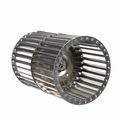

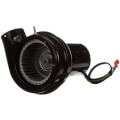
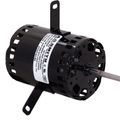
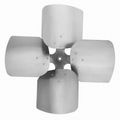
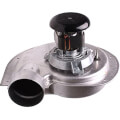
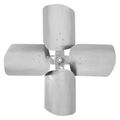
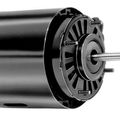
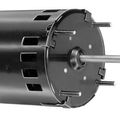
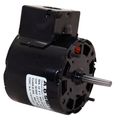

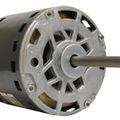
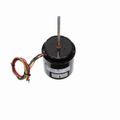
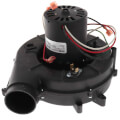
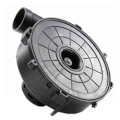
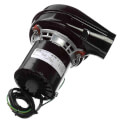
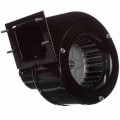
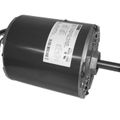
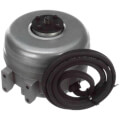
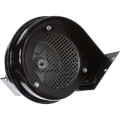
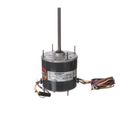
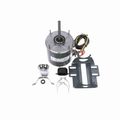
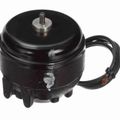
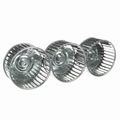
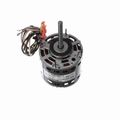
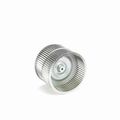
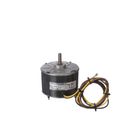
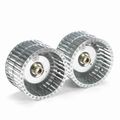
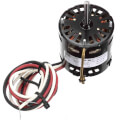
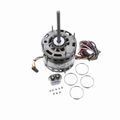
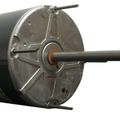
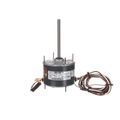
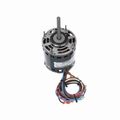
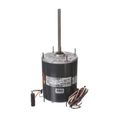
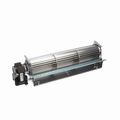
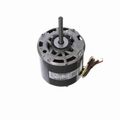

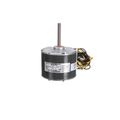
Fasco motors are OEM replacement electric motors built for HVAC and appliance equipment, covering draft inducer motors, blower motors, and condenser fan motors used across a wide range of furnace, boiler, and rooftop unit designs. Fasco has supplied motors to equipment manufacturers for decades, so a single physical motor often cross-references to several furnace and boiler brands built on the same platform. Matching horsepower, rotation, speed, and mounting style to the failed unit matters more than matching the name printed on the old motor, since many OEM motors sold under other labels are actually built by Fasco. A seized or noisy inducer motor is one of the most common heating season service calls, and stocking the cross-references common to local equipment can turn a diagnostic visit into a same-day repair. Replacing a worn motor before it fails outright also protects the connected control board from the electrical strain of a motor drawing excess current.
Subcategories
- Draft Inducer Motors: Draft inducer motors pull combustion gases through the heat exchanger and out the vent on gas furnaces and boilers before the burner is allowed to fire. A furnace that will not ignite, or that ignites and then locks out, often points to a failed or weakened inducer motor rather than a gas valve or igniter problem. Bearings and impellers wear from constant cycling, so a motor that runs but sounds rough is usually close to failure.
- Blower Motors: Blower motors circulate conditioned air through the duct system and come in both PSC and direct drive designs depending on the furnace or air handler platform. A blower that hums but will not spin usually has a failed run capacitor rather than a bad motor, so both parts are worth checking together. Direct drive blower motors are matched to a specific horsepower and speed tap, while belt drive motors allow more flexibility in pulley sizing.
- Condenser Fan Motors: Condenser fan motors pull outdoor air across the condensing coil on air conditioners and heat pumps to reject heat during cooling operation. A condensing unit that trips on high pressure or short cycles in hot weather often has a failing fan motor that is no longer moving enough air across the coil. These motors are exposed to outdoor weather, so bearing wear and moisture intrusion are common failure points.
- Motor Mounting Brackets & Capacitors: Mounting brackets, capacitors, and other motor accessories complete a proper motor replacement rather than leaving the old, possibly weakened hardware in place. A run capacitor that is out of tolerance can shorten the life of a brand new motor, so replacing it alongside the motor is common practice among experienced technicians.
Buying Guide
Start with the electrical and physical specifications on the failed motor's nameplate rather than the equipment brand name. Horsepower, voltage, full load amps, rotation direction, and shaft diameter determine fit far more reliably than matching the furnace or condenser manufacturer, since many OEM motors across brands are built on shared Fasco platforms.
Separate the motor type before ordering. Draft inducer motors, blower motors, and condenser fan motors are not interchangeable even when horsepower looks similar, because mounting configuration, shaft orientation, and cooling design differ by application. Fasco Motors covers all three categories, so confirming which type failed narrows the search quickly.
Check rotation direction and speed taps carefully on blower and condenser fan motors. A motor that spins the wrong direction or lacks the correct speed tap can run the equipment inefficiently or trip a safety control even though it physically fits the mount.
Pair a new motor with a matching run capacitor when replacing a PSC motor. An old or out-of-tolerance capacitor is a common cause of early failure on an otherwise good replacement motor, and swapping both parts at once reduces the odds of a repeat service call.
Frequently Asked Questions
How do I know if a furnace problem is the draft inducer motor?
A furnace that fails to ignite, locks out on a limit switch, or runs the inducer with a grinding or rattling sound is showing common signs of inducer motor failure, especially on units with a lot of run hours.
Can a Fasco motor replace a motor from a different HVAC brand?
Often yes, since Fasco supplies OEM motors to many equipment manufacturers, but the replacement still needs to match the original motor's horsepower, voltage, rotation, and mounting style rather than the equipment brand.
Why does a blower motor hum without spinning?
A weak or failed run capacitor is the most common cause, since the motor needs the capacitor's phase shift to start turning even though it can still hum when powered.
What causes a condenser fan motor to fail?
Bearing wear from constant outdoor exposure, moisture intrusion, and a weak run capacitor are the most common causes of condenser fan motor failure.
Should the run capacitor be replaced along with the motor?
Replacing the capacitor at the same time is good practice, since a capacitor that is out of tolerance can shorten the life of a new motor and lead to a repeat service call.
