




Filters
SORT
Product Availability –
Diameter (Inches) –
Length (Feet) –
Review Score –
 --%3E %3Csvg version='1.1' id='Fill' xmlns='http://www.w3.org/2000/svg' xmlns:xlink='http://www.w3.org/1999/xlink' x='0px' y='0px' viewBox='0 0 100 100' enable-background='new 0 0 100 100' xml:space='preserve'%3E %3Cpath fill='%23F15C02' d='M79.44,0.95H20.56C9.78,0.95,0.95,9.78,0.95,20.56v58.87c0,10.79,8.82,19.61,19.61,19.61h58.87 c10.79,0,19.61-8.83,19.61-19.61V20.56C99.05,9.78,90.22,0.95,79.44,0.95z M65.38,58.24l9.38,29.58L49.69,69.78L24.5,87.82 l9.34-29.6L8.8,39.6l30.73-0.17c0,0,6.98-19.61,10-28.93c0.54,1.36,9.88,29.1,9.88,29.1H91.2L65.38,58.24z'/%3E %3C/svg%3E)
Price Range –
Gas Chimney Liner Kits

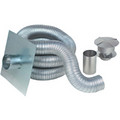
 --%3E %3Csvg version='1.1' id='No-RB' xmlns='http://www.w3.org/2000/svg' xmlns:xlink='http://www.w3.org/1999/xlink' x='0px' y='0px' viewBox='0 0 100 100' enable-background='new 0 0 100 100' xml:space='preserve'%3E %3Cpath fill='%23CECECE' d='M79.44,0.95H20.56C9.78,0.95,0.95,9.78,0.95,20.56v58.87c0,10.79,8.82,19.61,19.61,19.61h58.87 c10.79,0,19.61-8.83,19.61-19.61V20.56C99.05,9.78,90.22,0.95,79.44,0.95z M65.38,58.24l9.38,29.58L49.69,69.78L24.5,87.82 l9.34-29.6L8.8,39.6l30.73-0.17c0,0,6.98-19.61,10-28.93c0.54,1.36,9.88,29.1,9.88,29.1H91.2L65.38,58.24z'/%3E %3C/svg%3E)
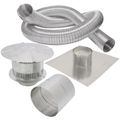

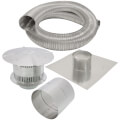
 --%3E %3Csvg version='1.1' id='Half' xmlns='http://www.w3.org/2000/svg' xmlns:xlink='http://www.w3.org/1999/xlink' x='0px' y='0px' viewBox='0 0 100 100' enable-background='new 0 0 100 100' xml:space='preserve'%3E %3Cg%3E %3Cpath fill='%23F15C02' d='M30.05,70.23l3.79-12.01L8.8,39.6l30.73-0.17c0,0,6.98-19.61,10-28.93c0.54,1.36,9.88,29.1,9.88,29.1h1.58 L93.71,7.18c-3.58-3.82-8.66-6.23-14.28-6.23H20.56C9.78,0.95,0.95,9.78,0.95,20.56v58.87c0,5.41,2.22,10.32,5.79,13.88 L30.05,70.23z'/%3E %3C/g%3E %3Cpath fill='%23FBC8B4' d='M93.71,7.18L60.98,39.6H91.2L65.38,58.24l9.38,29.58L49.69,69.78L24.5,87.82l5.55-17.59L6.75,93.32 c3.55,3.54,8.44,5.73,13.82,5.73h58.87c10.79,0,19.61-8.83,19.61-19.61V20.56C99.05,15.4,97.01,10.69,93.71,7.18z'/%3E %3C/svg%3E)

Gas chimney liner kits reline an existing masonry chimney with a flexible stainless steel liner sized to safely vent exhaust from a gas-burning appliance. Kits built from 316L stainless steel resist the corrosive flue acids that gas combustion produces, and they carry UL 1777 listing for relining masonry chimneys. Interior diameters typically range from 3 to 12 inches with lengths from 15 to 50 feet depending on the chimney's height and the diameter chosen, giving installers a match for most residential and light commercial flue applications. Because these liners also work with wood, pellet, and oil-burning appliances, the same basic kit design covers multiple fuel types as long as the diameter and material grade are matched to the specific appliance. Choosing a liner kit rated for the appliance's exhaust temperature and fuel type keeps venting safe and code-compliant, which matters directly for both combustion safety and passing a final inspection.
Subcategories
- Basic Flexible Liner Kits: A basic kit includes the flexible 316L stainless steel liner itself along with the connector components needed to tie into the appliance and terminate at the chimney top. HVAC technicians use this style for straightforward relining jobs where the existing chimney chase has enough clearance and doesn't need extra insulation. Diameters commonly run from 3 to 12 inches to match different appliance sizes. UL 1777 listing applies to this style when relining an existing masonry chimney.
- Pre-Insulated Liner Kits: Pre-insulated kits wrap the stainless liner with an insulation layer between the interior liner and an outer sleeve, improving draft performance in tall or exposed chimneys where flue gas can cool too much before reaching the top. Installers reach for this option on masonry chimneys with significant exposed exterior surface, since insulation helps maintain flue gas temperature and reduces creosote buildup on solid-fuel applications. The added insulation layer increases installed diameter slightly compared to a basic kit of the same interior size. This style still uses the same 316L stainless steel liner material.
- Tee Kits: Tee kits include a side-entry connector fitting that lets the liner run straight up the chimney while the appliance connects in from the side, which is common when the appliance sits off to the side of the flue rather than directly beneath it. Installers use this configuration for wood stoves, fireplace inserts, or gas appliances that don't line up directly under the chimney opening. The tee fitting is built from the same corrosion-resistant stainless material as the liner. This kit style still meets the same UL 1777 listing as straight-run kits.
- Liner Connector and Termination Kits: These components include the appliance connector, top plate, rain cap, and clamps needed to complete a liner installation beyond the liner tube itself. Installers buy these separately when replacing termination hardware on an existing liner or when a basic kit doesn't include every fitting needed for a specific chimney configuration. Matching connector diameter to the installed liner size is critical for a sealed, code-compliant connection. Top plates and rain caps also keep weather and debris out of the flue between uses.
Buying Guide
Match liner diameter to the appliance manufacturer's venting specification first, since an undersized liner restricts draft and an oversized one can cause flue gas to cool too much before exiting, both of which create unsafe venting conditions. Confirm the fuel type the liner will serve. Gas chimney liner kits built from 316L stainless steel handle gas, oil, wood, and pellet appliances, but always verify the specific kit is rated for the exact fuel and appliance category before installation. Chimney height determines the length needed, and kits are typically available in lengths from 15 to 50 feet, so measuring the actual flue run, not just the visible chimney height, avoids ordering a liner that comes up short. For chimneys with a lot of exposed exterior surface or unusually tall runs, a pre-insulated kit helps maintain flue gas temperature and reduces the risk of condensation or creosote buildup compared to a basic uninsulated liner. If the appliance sits offset from the chimney opening rather than directly below it, a tee kit avoids awkward routing that a straight liner can't accommodate. Always confirm UL 1777 listing status for relining an existing masonry chimney, since that listing is what most jurisdictions check during inspection. Buying the connector and termination hardware, including the top plate and rain cap, at the same time as the liner itself avoids a mismatched fitting holding up a finished installation.
Frequently Asked Questions
What material are gas chimney liner kits made from?
Most flexible chimney liner kits use 316L stainless steel, chosen for its resistance to the corrosive acids produced by flue gas condensation. That corrosion resistance is what allows the liner to hold up over years of exposure inside a masonry chimney. Confirming the grade matches the fuel type is still worth checking against the specific kit's listing.
What sizes do these liner kits come in?
Interior diameters typically range from 3 to 12 inches, with lengths available from 15 to 50 feet depending on the diameter selected. Diameter needs to match the appliance manufacturer's venting requirement, not just the physical chimney opening. Measuring the actual flue run length before ordering prevents coming up short on installed length.
Do these kits work with wood and oil appliances too, or just gas?
The same 316L stainless steel liner design typically works across gas, oil, wood, and pellet-burning appliances. Fuel type still needs to be confirmed against the specific kit's rating before installation, since not every configuration is identical. Matching diameter to the specific appliance matters regardless of fuel type.
What's the difference between a basic kit and a pre-insulated kit?
A basic kit is just the liner and connection hardware, while a pre-insulated kit adds an insulation layer between the interior liner and an outer sleeve. Pre-insulated versions help maintain flue gas temperature in tall or heavily exposed chimneys, which reduces condensation and creosote buildup. Both styles use the same corrosion-resistant stainless liner material.
Is a UL listing required for relining an existing masonry chimney?
Most jurisdictions require UL 1777 listing for a flexible liner kit used to reline an existing masonry chimney, and inspectors typically check for that listing during final inspection. Confirming listing status before purchase avoids a failed inspection after installation. Local code should always be the final reference for specific documentation requirements.
