




Filters
SORT
Product Availability –
Application –
Fuel Type –
Voltage –
Wattage –
Product Type –
Review Score –
 --%3E %3Csvg version='1.1' id='Fill' xmlns='http://www.w3.org/2000/svg' xmlns:xlink='http://www.w3.org/1999/xlink' x='0px' y='0px' viewBox='0 0 100 100' enable-background='new 0 0 100 100' xml:space='preserve'%3E %3Cpath fill='%23F15C02' d='M79.44,0.95H20.56C9.78,0.95,0.95,9.78,0.95,20.56v58.87c0,10.79,8.82,19.61,19.61,19.61h58.87 c10.79,0,19.61-8.83,19.61-19.61V20.56C99.05,9.78,90.22,0.95,79.44,0.95z M65.38,58.24l9.38,29.58L49.69,69.78L24.5,87.82 l9.34-29.6L8.8,39.6l30.73-0.17c0,0,6.98-19.61,10-28.93c0.54,1.36,9.88,29.1,9.88,29.1H91.2L65.38,58.24z'/%3E %3C/svg%3E)
 --%3E %3Csvg version='1.1' id='With-RB' xmlns='http://www.w3.org/2000/svg' xmlns:xlink='http://www.w3.org/1999/xlink' x='0px' y='0px' viewBox='0 0 100 100' enable-background='new 0 0 100 100' xml:space='preserve'%3E %3Cpath fill='%23FBC8B4' d='M79.44,0.95H20.56C9.78,0.95,0.95,9.78,0.95,20.56v58.87c0,10.79,8.82,19.61,19.61,19.61h58.87 c10.79,0,19.61-8.83,19.61-19.61V20.56C99.05,9.78,90.22,0.95,79.44,0.95z M65.38,58.24l9.38,29.58L49.69,69.78L24.5,87.82 l9.34-29.6L8.8,39.6l30.73-0.17c0,0,6.98-19.61,10-28.93c0.54,1.36,9.88,29.1,9.88,29.1H91.2L65.38,58.24z'/%3E %3C/svg%3E)
Price Range –
Gas Controls & Valves





 --%3E %3Csvg version='1.1' id='Half' xmlns='http://www.w3.org/2000/svg' xmlns:xlink='http://www.w3.org/1999/xlink' x='0px' y='0px' viewBox='0 0 100 100' enable-background='new 0 0 100 100' xml:space='preserve'%3E %3Cg%3E %3Cpath fill='%23F15C02' d='M30.05,70.23l3.79-12.01L8.8,39.6l30.73-0.17c0,0,6.98-19.61,10-28.93c0.54,1.36,9.88,29.1,9.88,29.1h1.58 L93.71,7.18c-3.58-3.82-8.66-6.23-14.28-6.23H20.56C9.78,0.95,0.95,9.78,0.95,20.56v58.87c0,5.41,2.22,10.32,5.79,13.88 L30.05,70.23z'/%3E %3C/g%3E %3Cpath fill='%23FBC8B4' d='M93.71,7.18L60.98,39.6H91.2L65.38,58.24l9.38,29.58L49.69,69.78L24.5,87.82l5.55-17.59L6.75,93.32 c3.55,3.54,8.44,5.73,13.82,5.73h58.87c10.79,0,19.61-8.83,19.61-19.61V20.56C99.05,15.4,97.01,10.69,93.71,7.18z'/%3E %3C/svg%3E)

 --%3E %3Csvg version='1.1' id='No-RB' xmlns='http://www.w3.org/2000/svg' xmlns:xlink='http://www.w3.org/1999/xlink' x='0px' y='0px' viewBox='0 0 100 100' enable-background='new 0 0 100 100' xml:space='preserve'%3E %3Cpath fill='%23CECECE' d='M79.44,0.95H20.56C9.78,0.95,0.95,9.78,0.95,20.56v58.87c0,10.79,8.82,19.61,19.61,19.61h58.87 c10.79,0,19.61-8.83,19.61-19.61V20.56C99.05,9.78,90.22,0.95,79.44,0.95z M65.38,58.24l9.38,29.58L49.69,69.78L24.5,87.82 l9.34-29.6L8.8,39.6l30.73-0.17c0,0,6.98-19.61,10-28.93c0.54,1.36,9.88,29.1,9.88,29.1H91.2L65.38,58.24z'/%3E %3C/svg%3E)





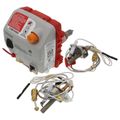


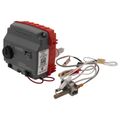

Gas controls and valves regulate the flow and ignition of natural gas or propane in furnaces, boilers, water heaters, and other combustion equipment, managing everything from initial ignition to safety shutoff if a flame fails. A malfunctioning gas valve is one of the more common reasons combustion equipment won't light or won't stay lit, since the valve controls both the pilot or igniter circuit and the main burner supply. Modern equipment typically uses a combination gas control that integrates the pilot valve, main valve, pressure regulator, and safety shutoff into a single component rather than separate parts. Replacement valves need to match the equipment manufacturer's specifications for gas type, inlet pressure, and control voltage, since a mismatched valve can create an unsafe combustion condition rather than simply failing to work. Confirming compatibility against the original part number before ordering keeps a gas control replacement safe and code-compliant.
Subcategories
- Combination Gas Controls: Combination gas controls integrate the pilot valve, main valve, pressure regulator, and safety shutoff into a single component, which is the standard configuration on most residential furnaces, boilers, and water heaters built in recent decades. Replacing a combination control as a single unit simplifies the repair compared to servicing separate valves. Matching the replacement to the original manufacturer's gas type, inlet pressure, and voltage rating is necessary, since these controls aren't universal across brands. Technicians typically pull the part number directly off the failed unit before ordering a replacement.
- Pilot and Ignition Valves: Pilot and ignition valves manage the smaller gas flow needed to light and maintain a pilot flame or support a direct ignition system, separate from the main burner valve. A pilot valve stuck open or closed often shows up as a unit that won't hold a flame or won't ignite at all. Older equipment with standing pilots relies on this type of valve more heavily than modern equipment using intermittent or direct spark ignition. Confirming the ignition system type on the equipment before ordering avoids selecting an incompatible valve.
- Pressure Regulators: Pressure regulators reduce incoming gas line pressure down to the level the appliance is designed to burn at safely, and an incorrect setting can cause anything from poor combustion to a safety hazard. Field technicians commonly adjust or replace a regulator when a unit shows signs of incomplete combustion, such as excessive burner noise or sooting. Replacement regulators need to match the equipment manufacturer's specified inlet and outlet pressure ranges rather than a generic setting. Natural gas and propane applications typically require different regulator settings, so confirming fuel type before ordering matters.
- Safety Shutoff Valves: Safety shutoff valves cut gas flow automatically if a flame failure, overheat condition, or other unsafe state is detected, acting as the last line of defense against unburned gas accumulating in the equipment. These valves are a required safety component on virtually all gas-fired combustion equipment rather than an optional add-on. Replacing a safety shutoff valve calls for matching the original manufacturer's specifications exactly, since this component directly affects the equipment's safety certification. Technicians should never bypass or disable a safety shutoff valve as a workaround for a different problem.
Buying Guide
Selecting the right replacement from Gas Controls & Valves starts with correctly identifying which specific component failed, since a unit that won't ignite could point to the pilot valve, the main gas valve, the pressure regulator, or the safety shutoff circuit, each of which is diagnosed and replaced differently. Combination gas controls that integrate several of these functions into one part simplify the repair on equipment built around that design, but the replacement still needs to match the original manufacturer's gas type, inlet pressure, and control voltage specifications exactly. Fuel type is a starting filter for any order, since natural gas and propane components are generally not interchangeable without a conversion kit, and using the wrong one creates an unsafe combustion condition rather than a simple performance issue. Voltage compatibility matters just as much on any valve with an electronic control circuit, since a mismatched control voltage can prevent the valve from opening or closing correctly even if the mechanical fit is correct. Pulling the original part number directly off the failed component, rather than guessing from the equipment's overall model number, remains the most reliable way to confirm an exact match. Given that these components directly affect combustion safety, a valve or control that isn't an exact match for the original manufacturer's specifications shouldn't be installed as a temporary workaround, even when it appears to fit.
Frequently Asked Questions
How do I know if the problem is the gas valve rather than the ignition system?
A unit that ignites briefly and then shuts off often points to the safety shutoff or flame sensing circuit rather than the main gas valve. A unit that never attempts ignition at all more commonly points to a failed pilot or main valve. Checking for voltage at the valve terminals during a call for heat helps narrow down which component has failed.
Are gas valves interchangeable between natural gas and propane?
Generally no, without a manufacturer-approved conversion kit. Natural gas and propane require different valve orifices and regulator settings, and using the wrong configuration creates an unsafe combustion condition.
What's the difference between a combination gas control and separate valves?
A combination gas control integrates the pilot valve, main valve, pressure regulator, and safety shutoff into one component, which is standard on most modern residential equipment. Older or commercial equipment sometimes uses separate individual valves for each function instead.
Can a safety shutoff valve be bypassed if it's causing lockouts?
No. It's a required safety component that protects against unburned gas accumulating in the equipment, and bypassing it removes that protection rather than fixing the underlying cause of the lockout.
What information is needed before ordering a replacement valve or control?
The original part number pulled directly from the failed component is the most reliable reference. Fuel type, control voltage, and inlet pressure range from the equipment manufacturer's specifications also confirm an exact match before ordering.
