



Filters
SORT
Product Availability –
Review Score –
 --%3E %3Csvg version='1.1' id='Fill' xmlns='http://www.w3.org/2000/svg' xmlns:xlink='http://www.w3.org/1999/xlink' x='0px' y='0px' viewBox='0 0 100 100' enable-background='new 0 0 100 100' xml:space='preserve'%3E %3Cpath fill='%23F15C02' d='M79.44,0.95H20.56C9.78,0.95,0.95,9.78,0.95,20.56v58.87c0,10.79,8.82,19.61,19.61,19.61h58.87 c10.79,0,19.61-8.83,19.61-19.61V20.56C99.05,9.78,90.22,0.95,79.44,0.95z M65.38,58.24l9.38,29.58L49.69,69.78L24.5,87.82 l9.34-29.6L8.8,39.6l30.73-0.17c0,0,6.98-19.61,10-28.93c0.54,1.36,9.88,29.1,9.88,29.1H91.2L65.38,58.24z'/%3E %3C/svg%3E)
 --%3E %3Csvg version='1.1' id='With-RB' xmlns='http://www.w3.org/2000/svg' xmlns:xlink='http://www.w3.org/1999/xlink' x='0px' y='0px' viewBox='0 0 100 100' enable-background='new 0 0 100 100' xml:space='preserve'%3E %3Cpath fill='%23FBC8B4' d='M79.44,0.95H20.56C9.78,0.95,0.95,9.78,0.95,20.56v58.87c0,10.79,8.82,19.61,19.61,19.61h58.87 c10.79,0,19.61-8.83,19.61-19.61V20.56C99.05,9.78,90.22,0.95,79.44,0.95z M65.38,58.24l9.38,29.58L49.69,69.78L24.5,87.82 l9.34-29.6L8.8,39.6l30.73-0.17c0,0,6.98-19.61,10-28.93c0.54,1.36,9.88,29.1,9.88,29.1H91.2L65.38,58.24z'/%3E %3C/svg%3E)
Price Range –
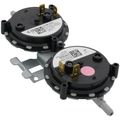
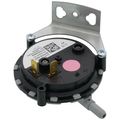
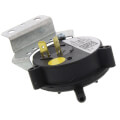
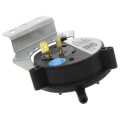
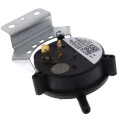
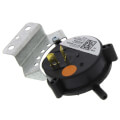
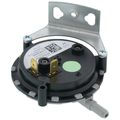
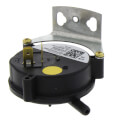
Goodman Amana Pressure Switches




 --%3E %3Csvg version='1.1' id='Half' xmlns='http://www.w3.org/2000/svg' xmlns:xlink='http://www.w3.org/1999/xlink' x='0px' y='0px' viewBox='0 0 100 100' enable-background='new 0 0 100 100' xml:space='preserve'%3E %3Cg%3E %3Cpath fill='%23F15C02' d='M30.05,70.23l3.79-12.01L8.8,39.6l30.73-0.17c0,0,6.98-19.61,10-28.93c0.54,1.36,9.88,29.1,9.88,29.1h1.58 L93.71,7.18c-3.58-3.82-8.66-6.23-14.28-6.23H20.56C9.78,0.95,0.95,9.78,0.95,20.56v58.87c0,5.41,2.22,10.32,5.79,13.88 L30.05,70.23z'/%3E %3C/g%3E %3Cpath fill='%23FBC8B4' d='M93.71,7.18L60.98,39.6H91.2L65.38,58.24l9.38,29.58L49.69,69.78L24.5,87.82l5.55-17.59L6.75,93.32 c3.55,3.54,8.44,5.73,13.82,5.73h58.87c10.79,0,19.61-8.83,19.61-19.61V20.56C99.05,15.4,97.01,10.69,93.71,7.18z'/%3E %3C/svg%3E)
 --%3E %3Csvg version='1.1' id='No-RB' xmlns='http://www.w3.org/2000/svg' xmlns:xlink='http://www.w3.org/1999/xlink' x='0px' y='0px' viewBox='0 0 100 100' enable-background='new 0 0 100 100' xml:space='preserve'%3E %3Cpath fill='%23CECECE' d='M79.44,0.95H20.56C9.78,0.95,0.95,9.78,0.95,20.56v58.87c0,10.79,8.82,19.61,19.61,19.61h58.87 c10.79,0,19.61-8.83,19.61-19.61V20.56C99.05,9.78,90.22,0.95,79.44,0.95z M65.38,58.24l9.38,29.58L49.69,69.78L24.5,87.82 l9.34-29.6L8.8,39.6l30.73-0.17c0,0,6.98-19.61,10-28.93c0.54,1.36,9.88,29.1,9.88,29.1H91.2L65.38,58.24z'/%3E %3C/svg%3E)
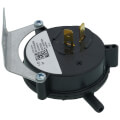
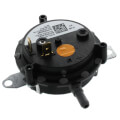
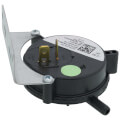
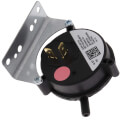

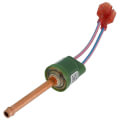
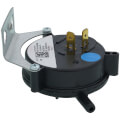
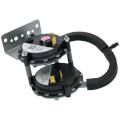
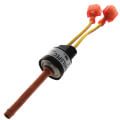
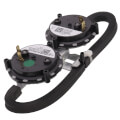
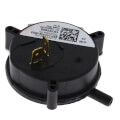
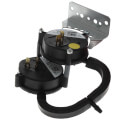
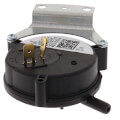
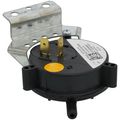
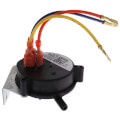
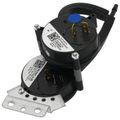
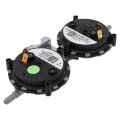
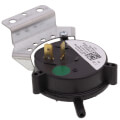
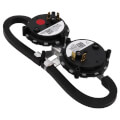
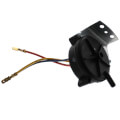
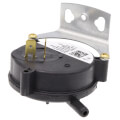
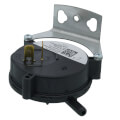
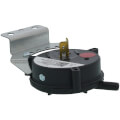
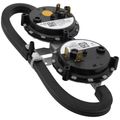
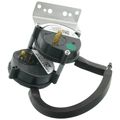

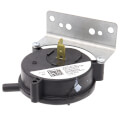
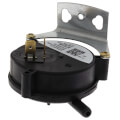
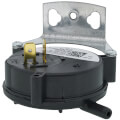
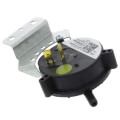
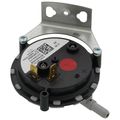
Goodman Amana pressure switches confirm that a furnace's inducer motor has created enough draft before the ignition control allows the burners to fire. Placed in the furnace's safety control circuit, these switches read a pressure differential created by inducer airflow and close or open a set of contacts based on whether that pressure meets a preset threshold. A furnace that can't develop draft, from a blocked vent, weak inducer motor, or leaking hose, will trip the switch and lock out ignition rather than risk exhaust gases venting into the wrong space. Technicians replace these switches by pressure rating and hose-barb configuration rather than universal fit, since a mismatched threshold can either block normal operation or fail to catch a real venting problem. Stocking the correct switch for each furnace model keeps warranty service calls from turning into a return trip for the right part.
Subcategories
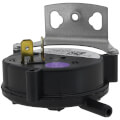
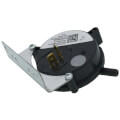
- Single-Stage Pressure Switches: Single-stage pressure switches trip at one pressure setpoint and are common on single-speed inducer furnaces where draft proving only needs a single confirmation step. These switches typically use a simple normally-open contact that closes once inducer airflow reaches the rated pressure. They're the most common replacement part on older single-stage Goodman and Amana furnace models still in service.
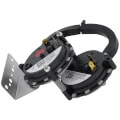
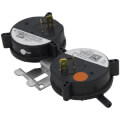
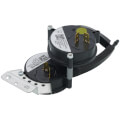
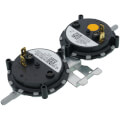
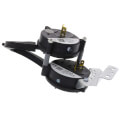
- Two-Stage Pressure Switches: Two-stage furnaces often pair two separate pressure switches, one calibrated for low-fire inducer speed and one for high-fire, so the control board can confirm draft at both operating speeds. Replacing only one switch on a two-stage unit without checking the other can leave a furnace that runs fine on low fire but faults on the high-fire transition. Technicians typically replace both switches together on an older two-stage furnace to avoid a repeat visit.
- Pressure Switch Hose Kits: Hose kits connect the pressure switch to the pressure tap on the inducer housing or vent system, and a cracked, kinked, or disconnected hose is one of the most common causes of a nuisance pressure switch fault. Replacement kits include the correct hose length and barb fittings for a specific furnace model rather than a universal length that needs cutting to fit. Keeping a few common kits stocked alongside the switches themselves cuts a return trip when the real problem turns out to be the hose, not the switch.
- Normally Open and Normally Closed Switches: Pressure switches are wired as either normally open or normally closed depending on where they sit in the furnace's safety circuit, and installing the wrong type will either prevent the furnace from starting at all or defeat the safety function entirely. Matching the switch type to the original part number is safer than assuming based on physical size or hose-barb style alone. Furnace wiring diagrams specify which type belongs in each position for exactly this reason.
Buying Guide
Replacing a pressure switch starts with confirming the exact pressure rating and hose-barb configuration rather than assuming a similar-looking switch will work. Furnaces from the same model family can use different switches across single-stage and two-stage configurations, and installing a switch rated for the wrong pressure threshold can cause nuisance lockouts or, worse, let a furnace ignite without confirmed draft.
Checking the original part number against the furnace's parts diagram is the most reliable way to match Goodman Amana Pressure Switches to a specific unit, since visually similar switches can carry different pressure setpoints. On two-stage furnaces, technicians should check both the low-fire and high-fire switches together rather than replacing only the one that appears to have failed, since a marginal second switch often fails soon after the first.
Hose condition matters as much as the switch itself. A cracked or disconnected hose produces the same fault code as a bad switch, so a quick inspection of the hose and its connections before ordering a replacement part can save an unnecessary trip. Stocking common hose kits alongside switches for the furnace models serviced most often keeps that diagnostic step from turning into a return visit. Technicians working across multiple furnace brands should keep pressure switches organized by pressure rating first and physical mounting style second, since two switches that look identical can trip at very different pressure differentials.
Frequently Asked Questions
What does a furnace pressure switch actually check?
A pressure switch confirms that the inducer motor has created enough draft to safely vent combustion gases before the ignition control allows the burners to fire. It reads a pressure differential created by inducer airflow and only closes its contacts once that pressure reaches a preset threshold. If the inducer can't reach that pressure, from a weak motor, blocked vent, or disconnected hose, the switch keeps the furnace from igniting.
Why does a two-stage furnace need two pressure switches?
Two-stage furnaces run the inducer at two different speeds, low fire and high fire, and each speed produces a different pressure reading. Two separate switches let the control board confirm draft at both speeds instead of relying on one setpoint that might not apply cleanly to both. Replacing just one switch on a two-stage unit can leave the other stage unconfirmed and prone to a future fault.
What usually causes a pressure switch fault that isn't the switch itself?
A cracked, kinked, or disconnected hose between the switch and the pressure tap is one of the most common causes of a fault that looks like a bad switch. Blocked vent terminations and a weak or failing inducer motor are the next most likely causes. Checking the hose and inducer before replacing the switch avoids paying for a part that wasn't actually the problem.
Can a normally open switch be replaced with a normally closed one if the physical size matches?
No, the wiring function matters more than the physical fit. A normally open switch and a normally closed switch serve different roles in the furnace's safety circuit, and swapping the wrong type can either stop the furnace from starting or disable a safety function without any warning. Matching the original part number is the safer way to confirm the correct type.
How often do pressure switch hose kits need replacing along with the switch?
Hose kits don't need routine replacement on a fixed schedule, but they're worth checking every time a switch is replaced since hose damage is a common co-occurring issue. A hose that's brittle, cracked, or has a loose connection at either end should be replaced at the same time as the switch to avoid a repeat service call. Keeping a few kits in stock alongside common switches makes that an easy add rather than a special order.
