




Filters
SORT
Product Availability –
Size –
Capacity (BTU) –
Review Score –
 --%3E %3Csvg version='1.1' id='Fill' xmlns='http://www.w3.org/2000/svg' xmlns:xlink='http://www.w3.org/1999/xlink' x='0px' y='0px' viewBox='0 0 100 100' enable-background='new 0 0 100 100' xml:space='preserve'%3E %3Cpath fill='%23F15C02' d='M79.44,0.95H20.56C9.78,0.95,0.95,9.78,0.95,20.56v58.87c0,10.79,8.82,19.61,19.61,19.61h58.87 c10.79,0,19.61-8.83,19.61-19.61V20.56C99.05,9.78,90.22,0.95,79.44,0.95z M65.38,58.24l9.38,29.58L49.69,69.78L24.5,87.82 l9.34-29.6L8.8,39.6l30.73-0.17c0,0,6.98-19.61,10-28.93c0.54,1.36,9.88,29.1,9.88,29.1H91.2L65.38,58.24z'/%3E %3C/svg%3E)
 --%3E %3Csvg version='1.1' id='With-RB' xmlns='http://www.w3.org/2000/svg' xmlns:xlink='http://www.w3.org/1999/xlink' x='0px' y='0px' viewBox='0 0 100 100' enable-background='new 0 0 100 100' xml:space='preserve'%3E %3Cpath fill='%23FBC8B4' d='M79.44,0.95H20.56C9.78,0.95,0.95,9.78,0.95,20.56v58.87c0,10.79,8.82,19.61,19.61,19.61h58.87 c10.79,0,19.61-8.83,19.61-19.61V20.56C99.05,9.78,90.22,0.95,79.44,0.95z M65.38,58.24l9.38,29.58L49.69,69.78L24.5,87.82 l9.34-29.6L8.8,39.6l30.73-0.17c0,0,6.98-19.61,10-28.93c0.54,1.36,9.88,29.1,9.88,29.1H91.2L65.38,58.24z'/%3E %3C/svg%3E)
Price Range –
Lever Acting Regulators

 --%3E %3Csvg version='1.1' id='No-RB' xmlns='http://www.w3.org/2000/svg' xmlns:xlink='http://www.w3.org/1999/xlink' x='0px' y='0px' viewBox='0 0 100 100' enable-background='new 0 0 100 100' xml:space='preserve'%3E %3Cpath fill='%23CECECE' d='M79.44,0.95H20.56C9.78,0.95,0.95,9.78,0.95,20.56v58.87c0,10.79,8.82,19.61,19.61,19.61h58.87 c10.79,0,19.61-8.83,19.61-19.61V20.56C99.05,9.78,90.22,0.95,79.44,0.95z M65.38,58.24l9.38,29.58L49.69,69.78L24.5,87.82 l9.34-29.6L8.8,39.6l30.73-0.17c0,0,6.98-19.61,10-28.93c0.54,1.36,9.88,29.1,9.88,29.1H91.2L65.38,58.24z'/%3E %3C/svg%3E)

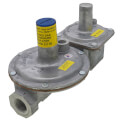
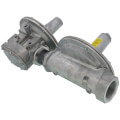
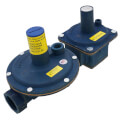
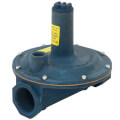
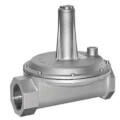
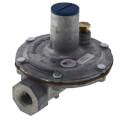
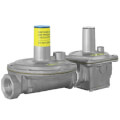
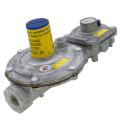


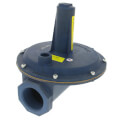
Lever acting regulators are pressure control devices used in fuel gas and steam systems to reduce upstream pressure to a stable, usable downstream level. Contractors specify this design where oil or gas storage tanks need consistent delivery pressure regardless of fluctuations further upstream, since the lever mechanism responds quickly to changing flow demand. These regulators are common on oil tank vent lines and low-pressure gas distribution points, where a simple, durable mechanical design is preferred over more complex electronic controls. Because the lever arm directly actuates the valve, the design tends to hold up well in outdoor or unheated installations where reliability matters most. Technicians replacing an aging regulator typically match the connection size and pressure range to the original unit rather than upgrading pressure classes, since oversizing or undersizing a regulator can cause unstable downstream pressure. This category serves plumbing and heating contractors working on oil delivery systems and legacy gas distribution equipment.
Subcategories
- Oil Tank Regulators: Oil tank regulators manage vent and fill line pressure for above-ground and underground oil storage tanks. Contractors install them to prevent pressure buildup during fill operations and to maintain safe venting during normal use. Matching thread size and pressure rating to the tank's existing fittings avoids leaks at the connection. These regulators typically need periodic inspection as part of routine tank service.
- Gas Distribution Regulators: Gas distribution regulators reduce pressure at points along a low-pressure gas line before it reaches an appliance or meter. A lever acting design allows quick mechanical response to demand changes without external power. Technicians size these based on the connected load and expected flow rate. Undersized regulators can cause pressure drop during high-demand periods.
- Replacement Diaphragms and Springs: Replacement diaphragms and springs let a technician rebuild an existing regulator rather than replacing the whole unit. A worn diaphragm is a common cause of pressure creep or regulator chatter. Rebuild kits typically cost less than a full regulator swap and can be completed during a single service visit.
- Mounting Hardware and Fittings: Mounting hardware and fittings connect a regulator to existing piping and tank connections. Having the correct adapter or nipple on hand prevents a return trip when an older fitting doesn't match a new regulator's connection type. Technicians should confirm thread type before final assembly to avoid cross-threading during installation.
Buying Guide
Selecting the correct regulator starts with confirming the application: oil tank venting and low-pressure gas distribution call for different pressure ranges and connection types, even though both use a similar lever mechanism. Contractors should check the existing setup's inlet and outlet pressure specifications before ordering a replacement, since a regulator rated for the wrong range won't hold stable downstream pressure.
Lever Acting Regulators are generally chosen for their mechanical simplicity and reliability in unheated or outdoor locations, so when replacing an older unit, matching that same lever-based design usually makes more sense than switching to an electronic alternative, particularly if the rest of the system wasn't designed around powered controls.
Connection size and thread type matter as much as pressure rating. A regulator that fits the physical opening but uses a different thread pitch will require an adapter, adding a point of potential leakage. Confirming these details against the existing tank or line fittings before the job starts avoids delays.
For long-term reliability, consider whether a rebuild kit or a full regulator replacement makes more sense. Diaphragms and springs wear over time and can often be replaced individually, which costs less than swapping the entire unit, though a regulator with a corroded body or damaged lever mechanism usually needs full replacement.
Frequently Asked Questions
How do I know if a regulator needs full replacement instead of a rebuild kit?
If the diaphragm or spring is worn but the body and lever mechanism are in good shape, a rebuild kit usually solves the problem. A cracked body, corroded fittings, or a bent lever arm typically means the whole unit needs replacing.
What's the difference between an oil tank regulator and a gas distribution regulator?
They serve different systems and are rated for different pressure ranges, even though both may use a lever acting mechanism. Oil tank regulators manage vent and fill pressure, while gas distribution regulators control pressure delivered to appliances or meters.
Can I use a higher pressure-rated regulator than what's currently installed?
Oversizing a regulator for the application can cause unstable downstream pressure rather than solving a performance issue. Match the replacement to the original pressure range unless the system's requirements have genuinely changed.
Why do lever acting regulators fail over time?
Diaphragm wear, spring fatigue, and corrosion from outdoor exposure are the most common causes. Since many of these regulators sit in unheated or exposed locations, periodic inspection catches problems before they cause a pressure failure.
Do I need special tools to service a lever acting regulator?
Most service work involves standard wrenches and fittings, though replacing internal components like diaphragms may require the manufacturer's specific rebuild kit. Check the regulator's documentation before starting a rebuild to confirm what's needed.
