




Filters
SORT
Product Availability –
Brand –
Product Type –
Type –
Size –
Connection Type –
Review Score –
 --%3E %3Csvg version='1.1' id='Fill' xmlns='http://www.w3.org/2000/svg' xmlns:xlink='http://www.w3.org/1999/xlink' x='0px' y='0px' viewBox='0 0 100 100' enable-background='new 0 0 100 100' xml:space='preserve'%3E %3Cpath fill='%23F15C02' d='M79.44,0.95H20.56C9.78,0.95,0.95,9.78,0.95,20.56v58.87c0,10.79,8.82,19.61,19.61,19.61h58.87 c10.79,0,19.61-8.83,19.61-19.61V20.56C99.05,9.78,90.22,0.95,79.44,0.95z M65.38,58.24l9.38,29.58L49.69,69.78L24.5,87.82 l9.34-29.6L8.8,39.6l30.73-0.17c0,0,6.98-19.61,10-28.93c0.54,1.36,9.88,29.1,9.88,29.1H91.2L65.38,58.24z'/%3E %3C/svg%3E)
 --%3E %3Csvg version='1.1' id='With-RB' xmlns='http://www.w3.org/2000/svg' xmlns:xlink='http://www.w3.org/1999/xlink' x='0px' y='0px' viewBox='0 0 100 100' enable-background='new 0 0 100 100' xml:space='preserve'%3E %3Cpath fill='%23FBC8B4' d='M79.44,0.95H20.56C9.78,0.95,0.95,9.78,0.95,20.56v58.87c0,10.79,8.82,19.61,19.61,19.61h58.87 c10.79,0,19.61-8.83,19.61-19.61V20.56C99.05,9.78,90.22,0.95,79.44,0.95z M65.38,58.24l9.38,29.58L49.69,69.78L24.5,87.82 l9.34-29.6L8.8,39.6l30.73-0.17c0,0,6.98-19.61,10-28.93c0.54,1.36,9.88,29.1,9.88,29.1H91.2L65.38,58.24z'/%3E %3C/svg%3E)
Price Range –
Magnetic Boiler Filters/Dirt Separators

 --%3E %3Csvg version='1.1' id='No-RB' xmlns='http://www.w3.org/2000/svg' xmlns:xlink='http://www.w3.org/1999/xlink' x='0px' y='0px' viewBox='0 0 100 100' enable-background='new 0 0 100 100' xml:space='preserve'%3E %3Cpath fill='%23CECECE' d='M79.44,0.95H20.56C9.78,0.95,0.95,9.78,0.95,20.56v58.87c0,10.79,8.82,19.61,19.61,19.61h58.87 c10.79,0,19.61-8.83,19.61-19.61V20.56C99.05,9.78,90.22,0.95,79.44,0.95z M65.38,58.24l9.38,29.58L49.69,69.78L24.5,87.82 l9.34-29.6L8.8,39.6l30.73-0.17c0,0,6.98-19.61,10-28.93c0.54,1.36,9.88,29.1,9.88,29.1H91.2L65.38,58.24z'/%3E %3C/svg%3E)
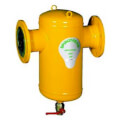
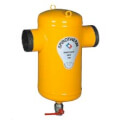
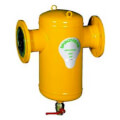
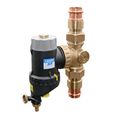
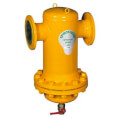
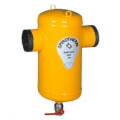
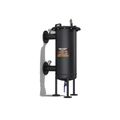
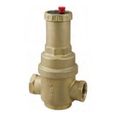
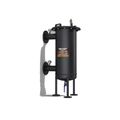
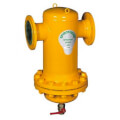
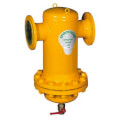

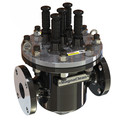
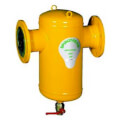
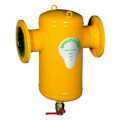
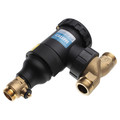
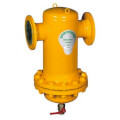

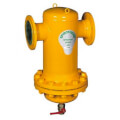
Magnetic boiler filters and dirt separators are hydronic system components that remove ferrous sludge, scale, and suspended debris from boiler and heating loop water before it reaches sensitive equipment. Installed in the return line ahead of the boiler or circulator, they combine a magnetic rod or ring with a low-velocity separation chamber that lets particulates drop out of the flow stream. Ferrous debris, known in the trade as magnetite or black sludge, forms inside closed hydronic loops as steel and cast iron components corrode internally; left to circulate, it wears pump seals, fouls heat exchangers, and clogs zone valves and TRVs. A magnetic separator addresses this at the source rather than relying on a strainer basket alone, since ordinary mesh strainers can't capture the fine, magnetically attracted particles that cause the most wear. For contractors, adding one during a boiler replacement or radiant retrofit protects the new equipment's warranty and cuts down on callback visits caused by sludge-related failures.
Subcategories
- In-Line Magnetic Filters: These install directly in copper or PEX return piping without a separate bypass loop, keeping the footprint compact. Sweat or press connections are common, making them a straightforward retrofit in tight mechanical rooms. They suit residential single-boiler systems where space around the boiler is limited. A built-in drain valve lets a technician flush collected debris without removing the unit.
- Cyclonic Dirt Separators: These pair a hydro-cyclonic chamber with an internal magnet, spinning water to force debris toward the outer wall of the housing where it drops out of the flow. Larger commercial and multi-zone systems favor this style because it handles higher flow rates without excess pressure drop. A drain valve at the base allows periodic flushing while the system stays in operation. Some models add a removable magnet assembly for easier cleaning.
- Angle and Y-Pattern Separators: The angled body fits where straight-line clearance between the boiler and adjacent piping is limited, a common constraint in older mechanical rooms. They're often paired with an inline strainer basket to catch larger debris in addition to the magnetically attracted particles. Technicians favor this style during repipes where existing framing restricts fitting placement. Connection sizes typically match the boiler's return tapping.
- Combination Air and Dirt Separators: These remove both microbubbles and ferrous debris in a single fitting, addressing two of the most common causes of hydronic system callbacks. New boiler installs frequently spec this style since it protects against air-lock and sludge buildup from day one. The air-elimination chamber sits above the dirt-separation chamber inside one housing. This combined approach can simplify piping compared to installing two separate devices.
Buying Guide
Choosing the right magnetic dirt separator starts with pipe size and connection type. Units are sized to match the return line diameter, typically 3/4 inch to 2 inch, and are available with sweat, press, or threaded connections depending on how the rest of the mechanical room is piped. Matching the connection type to the existing installation method avoids extra fittings and keeps the retrofit straightforward.
Flow capacity matters as much as pipe size. A separator rated below the system's design flow rate creates a bottleneck that increases pump head and wastes energy, so pull the boiler or system pump's rated GPM before selecting a unit.
For systems with a history of sludge buildup, or an older cast-iron boiler being replaced, a magnetic boiler filter/dirt separator with a full-port ball valve for flushing simplifies maintenance, letting a technician purge debris without draining the entire loop.
Combination units that also vent air are worth the extra cost on new installs, since they address two common causes of hydronic system callbacks in a single fitting rather than requiring a separate air separator elsewhere in the piping.
Finally, check clearance around the unit before specifying it. Angle-pattern and low-profile bodies exist specifically for tight mechanical rooms where a standard inline separator won't fit between the boiler and the wall.
Frequently Asked Questions
What's the difference between a strainer and a magnetic dirt separator?
A standard strainer relies on a mesh screen to catch particles above a certain size, but it can't stop fine ferrous sludge, known as magnetite, from passing through. A magnetic separator adds a magnet that pulls out these fine particles regardless of size, then uses a low-velocity chamber to let them settle out of the water. Many hydronic systems benefit from both: a strainer for larger debris during startup and a magnetic separator for ongoing ferrous buildup.
Where should a magnetic dirt separator be installed?
Most manufacturers recommend installing the unit in the boiler return line, ahead of the circulator and boiler inlet, since that's where debris is most likely to damage sensitive components. Installing it on the return side also means the separator sees water that has already picked up debris from radiators, baseboard, and zone valves throughout the system.
How often does a magnetic separator need to be flushed?
Flushing frequency depends on how much ferrous debris the system generates, which ties back to the age and material of the piping and heat emitters. A newly installed system with all-new components may only need an annual flush, while an older cast-iron system being retrofitted can need flushing every few months at first. Most units include a drain valve specifically for this purpose, so no disassembly is required.
Can a magnetic dirt separator be added to an existing system without draining it completely?
In most cases, yes. As long as the separator has isolation or ball valves on both sides, a contractor can cut into the return line, install the unit, and refill just that section rather than draining the whole loop. Systems without existing isolation points may need a valve added during the install to make future service easier.
Does a dirt separator replace the need for a strainer at the circulator?
Not always. Some contractors keep a strainer at the circulator inlet as a second line of defense against larger debris, especially during the first year after a repipe when construction debris is still working through the system. Once the system has been flushed a few times and the magnetic separator is doing its job, many technicians remove or bypass the extra strainer.
