



Pressure Switches
Pressure switches monitor gas, air, or refrigerant pressure inside HVAC and appliance systems and signal a control board to shut equipment down when readings move outside a safe range. Furnaces use them to confirm proper draft before allowing the burner to ignite. Air conditioning and refrigeration systems use them to protect compressors from operating at unsafe high or low pressures. A failed pressure switch is one of the most common reasons a furnace will not start.
Because pressure switches are a direct safety component, matching the replacement to the original part's pressure range and connection type is critical. Two switches that look identical can trip at very different pressure thresholds. Confirming the original manufacturer's part number or the pressure rating stamped on the switch before ordering prevents installing a control that will not protect the equipment correctly.





Subcategories
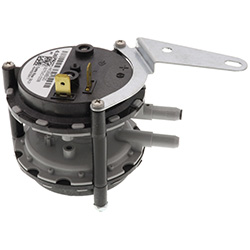
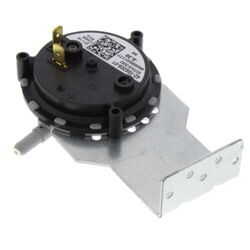
- Air Pressure Switches: Air pressure switches confirm adequate airflow or draft before allowing a furnace or boiler to fire, protecting the system from operating without proper combustion air or venting. They typically connect to the equipment through a small pressure tube. A switch that will not close, or closes at the wrong pressure, is a common cause of a furnace that will not start or that locks out during startup.
- Barber Colman Pressure Switches: Barber Colman pressure switches are used as direct replacements on older HVAC equipment built with that brand's original controls. Matching the pressure range and electrical rating to the original part number keeps the safety function intact.
- Carrier Pressure Controls & Switches: Carrier pressure controls and switches are built for Carrier furnaces, air handlers, and condensing units. They match the pressure ranges and mounting configurations used on that equipment. Installing the correct switch protects the compressor or burner from operating outside its designed pressure range. Cross-referencing the equipment's model number against the switch's part number confirms compatibility before ordering.
- Dwyer Pressure Controls: Dwyer pressure controls are widely used in commercial HVAC and industrial applications where precise, adjustable pressure setpoints matter. Many models allow a technician to field-adjust the trip point within a specified range rather than relying on a fixed factory setting. Confirming the required pressure range and differential before ordering avoids installing a control that needs readjustment.
- Goodman Amana Pressure Switches: Goodman and Amana pressure switches confirm proper draft or airflow before allowing their furnaces to fire, matching the pressure ranges built into that equipment line. Replacing a failed switch with the correct pressure rating restores the safety lockout function the original equipment relied on. Part numbers vary by furnace model and vent configuration.
- Honeywell & Honeywell Home Pressure Switches: Honeywell and Honeywell Home pressure switches cover a range of furnace and boiler applications, from standard draft-proving switches to differential pressure controls used in more specialized equipment. Both product lines require matching the pressure range and tubing connection to the original equipment. Checking the stamped part number against a cross-reference chart is the most reliable way to confirm a correct match.
Buying Guide
A pressure switch is a safety component, so the replacement needs to match the original part's trip pressure almost exactly rather than an approximate range. Installing a switch rated even slightly differently than the original can either cause nuisance lockouts or, worse, fail to protect the equipment when it should.
Cross-referencing the equipment manufacturer and model number against the pressure switch's part number is the most reliable way to confirm a match. Visually similar switches often trip at different pressures. The stamped pressure rating on the old switch is a useful backup reference when the original part number is not legible.
Pressure switches also vary by connection type, including barbed tube fittings, threaded ports, and quick-connect styles. Matching the connection type avoids needing an adapter fitting that adds another potential leak point to a pressure-sensitive circuit.
Electrical rating matters just as much as the pressure rating. A switch can have the correct trip point and still fail electrically. This happens when its voltage or amperage rating does not suit the control circuit it is wired into, even if the pressure sensing works correctly.
For commercial and industrial applications, adjustable pressure controls offer more flexibility than fixed-setpoint switches, letting a technician fine-tune the trip point in the field. Fixed switches are generally more affordable for straightforward residential furnace and AC applications where the pressure range is already well established.
Frequently Asked Questions
What does a pressure switch do in a furnace?
A pressure switch confirms that the inducer motor is creating adequate draft before allowing the furnace's burners to ignite. It closes an electrical contact only when pressure inside the venting system reaches a safe level. If the switch does not close, the furnace will not fire, which protects against incomplete combustion or improper venting.
Why does my furnace pressure switch keep failing?
A pressure switch that fails repeatedly is often a symptom of a separate problem rather than a defective switch. Possible causes include a blocked vent, a cracked pressure tube, or a weak inducer motor. Checking the venting and pressure tubing for blockages or leaks before replacing the switch again usually identifies the root cause.
Can I replace a pressure switch with a different brand?
In most cases, yes, as long as the replacement matches the original switch's pressure range, differential, and electrical rating. Cross-referencing the part number against the equipment's model number confirms the match. Matching the tubing connection size and style also matters for a clean installation.
What's the difference between a fixed and adjustable pressure switch?
A fixed pressure switch trips at one factory-set pressure and cannot be changed in the field. This works well for residential furnace and AC applications with a known pressure range. An adjustable pressure control lets a technician set the trip point within a range, which is common in commercial and industrial systems with varying operating conditions.
How is a pressure switch tested?
A pressure switch is typically tested with a multimeter for continuity across its contacts while applying the correct amount of pressure or vacuum with a calibrated pump. Comparing the reading against the switch's rated trip pressure confirms whether it is operating within specification. Visual signs like a cracked housing or a torn diaphragm are also worth checking before testing electrically.
Resources
Subcategories
- Air Pressure Switches: Air pressure switches confirm adequate airflow or draft before allowing a furnace or boiler to fire, protecting the system from operating without proper combustion air or venting. They typically connect to the equipment through a small pressure tube. A switch that will not close, or closes at the wrong pressure, is a common cause of a furnace that will not start or that locks out during startup.
- Barber Colman Pressure Switches: Barber Colman pressure switches are used as direct replacements on older HVAC equipment built with that brand's original controls. Matching the pressure range and electrical rating to the original part number keeps the safety function intact.
- Carrier Pressure Controls & Switches: Carrier pressure controls and switches are built for Carrier furnaces, air handlers, and condensing units. They match the pressure ranges and mounting configurations used on that equipment. Installing the correct switch protects the compressor or burner from operating outside its designed pressure range. Cross-referencing the equipment's model number against the switch's part number confirms compatibility before ordering.
- Dwyer Pressure Controls: Dwyer pressure controls are widely used in commercial HVAC and industrial applications where precise, adjustable pressure setpoints matter. Many models allow a technician to field-adjust the trip point within a specified range rather than relying on a fixed factory setting. Confirming the required pressure range and differential before ordering avoids installing a control that needs readjustment.
- Goodman Amana Pressure Switches: Goodman and Amana pressure switches confirm proper draft or airflow before allowing their furnaces to fire, matching the pressure ranges built into that equipment line. Replacing a failed switch with the correct pressure rating restores the safety lockout function the original equipment relied on. Part numbers vary by furnace model and vent configuration.
- Honeywell & Honeywell Home Pressure Switches: Honeywell and Honeywell Home pressure switches cover a range of furnace and boiler applications, from standard draft-proving switches to differential pressure controls used in more specialized equipment. Both product lines require matching the pressure range and tubing connection to the original equipment. Checking the stamped part number against a cross-reference chart is the most reliable way to confirm a correct match.
Buying Guide
A pressure switch is a safety component, so the replacement needs to match the original part's trip pressure almost exactly rather than an approximate range. Installing a switch rated even slightly differently than the original can either cause nuisance lockouts or, worse, fail to protect the equipment when it should.
Cross-referencing the equipment manufacturer and model number against the pressure switch's part number is the most reliable way to confirm a match. Visually similar switches often trip at different pressures. The stamped pressure rating on the old switch is a useful backup reference when the original part number is not legible.
Pressure switches also vary by connection type, including barbed tube fittings, threaded ports, and quick-connect styles. Matching the connection type avoids needing an adapter fitting that adds another potential leak point to a pressure-sensitive circuit.
Electrical rating matters just as much as the pressure rating. A switch can have the correct trip point and still fail electrically. This happens when its voltage or amperage rating does not suit the control circuit it is wired into, even if the pressure sensing works correctly.
For commercial and industrial applications, adjustable pressure controls offer more flexibility than fixed-setpoint switches, letting a technician fine-tune the trip point in the field. Fixed switches are generally more affordable for straightforward residential furnace and AC applications where the pressure range is already well established.
Frequently Asked Questions
What does a pressure switch do in a furnace?
A pressure switch confirms that the inducer motor is creating adequate draft before allowing the furnace's burners to ignite. It closes an electrical contact only when pressure inside the venting system reaches a safe level. If the switch does not close, the furnace will not fire, which protects against incomplete combustion or improper venting.
Why does my furnace pressure switch keep failing?
A pressure switch that fails repeatedly is often a symptom of a separate problem rather than a defective switch. Possible causes include a blocked vent, a cracked pressure tube, or a weak inducer motor. Checking the venting and pressure tubing for blockages or leaks before replacing the switch again usually identifies the root cause.
Can I replace a pressure switch with a different brand?
In most cases, yes, as long as the replacement matches the original switch's pressure range, differential, and electrical rating. Cross-referencing the part number against the equipment's model number confirms the match. Matching the tubing connection size and style also matters for a clean installation.
What's the difference between a fixed and adjustable pressure switch?
A fixed pressure switch trips at one factory-set pressure and cannot be changed in the field. This works well for residential furnace and AC applications with a known pressure range. An adjustable pressure control lets a technician set the trip point within a range, which is common in commercial and industrial systems with varying operating conditions.
How is a pressure switch tested?
A pressure switch is typically tested with a multimeter for continuity across its contacts while applying the correct amount of pressure or vacuum with a calibrated pump. Comparing the reading against the switch's rated trip pressure confirms whether it is operating within specification. Visual signs like a cracked housing or a torn diaphragm are also worth checking before testing electrically.