




Python PERT Line Set System

 --%3E %3Csvg version='1.1' id='No-RB' xmlns='http://www.w3.org/2000/svg' xmlns:xlink='http://www.w3.org/1999/xlink' x='0px' y='0px' viewBox='0 0 100 100' enable-background='new 0 0 100 100' xml:space='preserve'%3E %3Cpath fill='%23CECECE' d='M79.44,0.95H20.56C9.78,0.95,0.95,9.78,0.95,20.56v58.87c0,10.79,8.82,19.61,19.61,19.61h58.87 c10.79,0,19.61-8.83,19.61-19.61V20.56C99.05,9.78,90.22,0.95,79.44,0.95z M65.38,58.24l9.38,29.58L49.69,69.78L24.5,87.82 l9.34-29.6L8.8,39.6l30.73-0.17c0,0,6.98-19.61,10-28.93c0.54,1.36,9.88,29.1,9.88,29.1H91.2L65.38,58.24z'/%3E %3C/svg%3E)

 --%3E %3Csvg version='1.1' id='Fill' xmlns='http://www.w3.org/2000/svg' xmlns:xlink='http://www.w3.org/1999/xlink' x='0px' y='0px' viewBox='0 0 100 100' enable-background='new 0 0 100 100' xml:space='preserve'%3E %3Cpath fill='%23F15C02' d='M79.44,0.95H20.56C9.78,0.95,0.95,9.78,0.95,20.56v58.87c0,10.79,8.82,19.61,19.61,19.61h58.87 c10.79,0,19.61-8.83,19.61-19.61V20.56C99.05,9.78,90.22,0.95,79.44,0.95z M65.38,58.24l9.38,29.58L49.69,69.78L24.5,87.82 l9.34-29.6L8.8,39.6l30.73-0.17c0,0,6.98-19.61,10-28.93c0.54,1.36,9.88,29.1,9.88,29.1H91.2L65.38,58.24z'/%3E %3C/svg%3E)

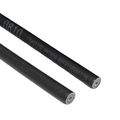

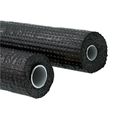
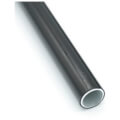
Python PERT Line Set System products are pre-insulated refrigerant line sets built from an inner PERT layer, a wrapped aluminum layer, and a carbon-black, UV-resistant outer PERT layer, replacing separate copper line and field insulation on split and mini-split installations. The system carries a maximum design pressure of 700 psi on 1/4 inch through 3/4 inch sizes and is approved for use with R-410A, R-32, and R-454B (A2L) refrigerants. Insulated versions come with 1/2 inch foam insulation already applied, while uninsulated versions in 3/8 inch, 1/2 inch, and 5/8 inch sizes let installers add field insulation where a job calls for it. Because the line set flexes without kinking, installers route it through tight framing and around obstacles that would require additional fittings with rigid copper. Choosing between insulated and uninsulated coils depends on whether insulation already exists on site or needs to ship with the line set.
Subcategories
- Insulated Line Sets (1/2 inch Insulation): Insulated Python line sets ship with 1/2 inch foam insulation already applied over the PERT-AL-PERT tubing, covering sizes such as 1/4 inch by 300 feet and 3/8 inch by 50 feet in a single coil. Installers use these where the job needs insulation on site without a separate wrap step. The foam layer covers both the suction and liquid lines where the set pairs two diameters in one coil. Standard split-system jobs benefit from this version since it skips a separate field-insulation step.
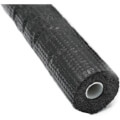
- Uninsulated Line Sets: Uninsulated Python line sets use the same PERT-AL-PERT construction without the foam layer, available in 3/8 inch, 1/2 inch, and 5/8 inch sizes. Installers choose this version when insulation already exists on site or when a job specifies field-applied insulation to match existing line coverage. Skipping factory insulation also reduces coil diameter, which can matter when routing through a tight chase. The bare PERT-AL-PERT tubing still carries the same pressure and temperature ratings as the insulated version.
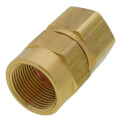
- Compression Fitting System: Python's compression fitting system pairs with the line set to join lengths at the equipment connection or at a coupling point mid-run, without brazing or flaring the tubing. Installers tighten the fitting mechanically, cutting torch and nitrogen purge steps out of the connection process. The fitting system matches the same size range as the line set itself, from small mini-split diameters up to larger split-system sizes. Jobs where an open flame isn't practical, such as occupied buildings, benefit most from this connection method.
- Refrigerant Compatibility: Python line sets carry approval for use with R-410A, R-32, and R-454B (A2L) refrigerants, covering both legacy split-system installations and newer equipment using lower-GWP refrigerant blends. HVAC technicians replacing a system with a different refrigerant type can confirm compatibility against the line set rating rather than assuming legacy tubing will work. The system holds a maximum design pressure of 700 psi across the 1/4 inch through 3/4 inch size range. Matching line set rating to refrigerant type matters especially on A2L equipment given its different pressure and flammability characteristics.
Buying Guide
Size the line set to the equipment's recommended line diameters, then decide between insulated and uninsulated coils based on the site. Insulated coils, which ship with 1/2 inch foam already applied, save labor on jobs where the line set needs coverage over its full length, such as new split-system installations without existing insulation. Uninsulated coils in 3/8 inch, 1/2 inch, and 5/8 inch sizes fit jobs where insulation already exists on site or where a spec calls for field-applied coverage matching other components.
Confirm refrigerant compatibility before ordering the Python PERT Line Set System. The system carries approval for R-410A, R-32, and R-454B (A2L) refrigerants, so checking the equipment's refrigerant type against the line set's rating avoids a mismatch, particularly on newer A2L equipment with different pressure and flammability characteristics than older refrigerants. Maximum design pressure runs to 700 psi on sizes from 1/4 inch through 3/4 inch, which should exceed the operating pressure of most residential and light commercial systems.
Coil length depends on the actual routing distance between the outdoor unit and the indoor equipment, including any vertical runs or direction changes through framing. Because the PERT-AL-PERT construction flexes without kinking, a longer coil can route around obstacles that would otherwise require additional elbow fittings with rigid copper tubing. Pairing the line set with its matching compression fitting system keeps the connection method consistent from the equipment pad to the indoor unit, without introducing a brazed joint partway through the run.
Frequently Asked Questions
What's the difference between insulated and uninsulated Python line sets?
Insulated line sets ship with 1/2 inch foam insulation already applied over the PERT-AL-PERT tubing, while uninsulated versions in 3/8 inch, 1/2 inch, and 5/8 inch sizes leave insulation to be field-applied. Both use the same inner PERT layer, aluminum wrap, and outer PERT jacket construction. Choosing between them depends on whether insulation already exists on site or needs to ship with the coil.
What refrigerants can run through a Python line set?
Python line sets carry approval for R-410A, R-32, and R-454B (A2L) refrigerants, covering both legacy split systems and newer equipment using lower-GWP blends. Confirming the equipment's refrigerant type against this rating before ordering avoids a mismatch. A2L refrigerants in particular have different pressure and flammability characteristics than older refrigerants, making this check worth the extra minute.
What pressure rating does the Python system carry?
The line set carries a maximum design pressure of 700 psi across its 1/4 inch through 3/4 inch size range. That rating should exceed the operating pressure of most residential and light commercial split-system or mini-split installations. Checking equipment specifications against this rating confirms the line set fits the job before installation.
How does the compression fitting system work with Python line sets?
Python's compression fitting system joins line set lengths mechanically at the equipment connection or at a mid-run coupling, without brazing or flaring the tubing. Installers tighten the fitting by hand and wrench rather than using a torch and nitrogen purge. This method suits jobs where an open flame isn't practical, such as occupied buildings or tight mechanical spaces.
Can a Python line set route through tight framing without kinking?
PERT-AL-PERT construction flexes without kinking, letting installers route the coil through tight framing and around obstacles that would need extra elbow fittings with rigid copper tubing. The reduced kinking also cuts down on the number of joints in a run, since fewer bends require a separate fitting. Careful routing still matters, since sharp bends beyond the coil's flex tolerance can still restrict flow inside the tubing.
