



Rheem Parts - Furnace & AC
Rheem parts cover the replacement components for Rheem gas furnaces and air conditioning equipment, including pilot and ignition assemblies, control boards, and the draft blowers and gas valves that manage combustion.
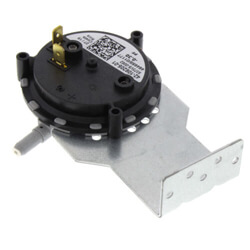
Pressure switches in this category verify that a draft blower is producing enough negative pressure before a furnace's gas valve opens, an important safety check on modern condensing equipment. Matching parts to the exact Rheem model keeps this safety sequence functioning as the manufacturer designed it.
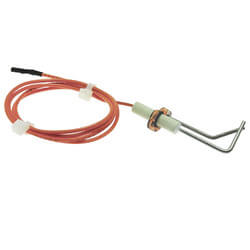
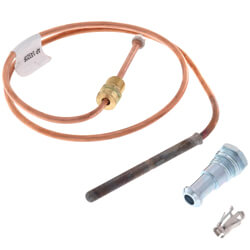
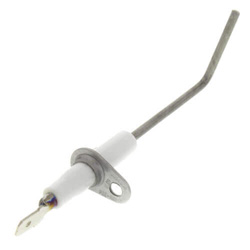
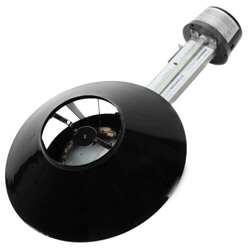
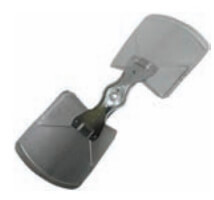
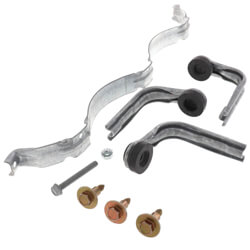
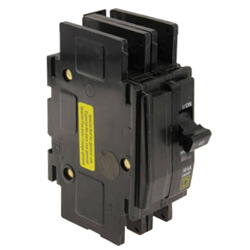
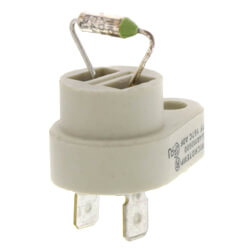
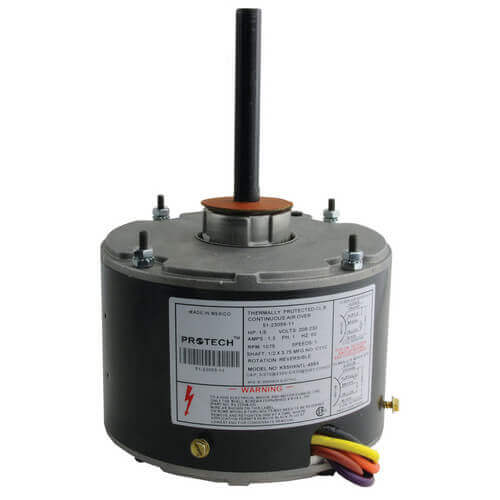
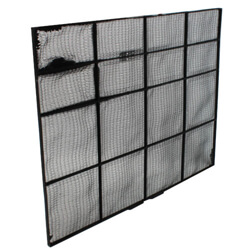
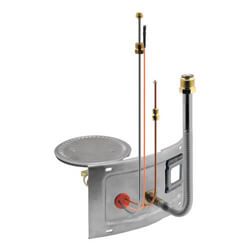
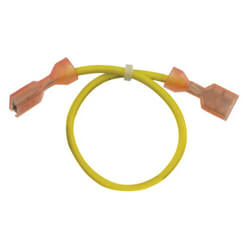
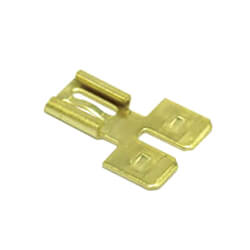
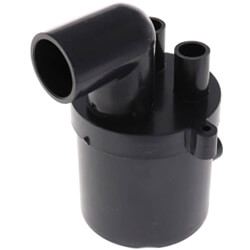

Rheem Pilot & Ignition parts cover the components responsible for initiating combustion in Rheem gas furnaces, including hot surface igniters, thermocouples, and pilot assemblies. Ignition failures are among the most common reasons for no-heat service calls on gas equipment. Rheem igniters are model-specific and vary by wattage and element material between equipment generations. Having the correct part on hand at the start of a service call eliminates the need for a return trip when the igniter or thermocouple is confirmed as the failure point.
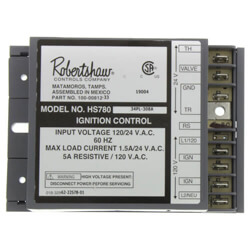
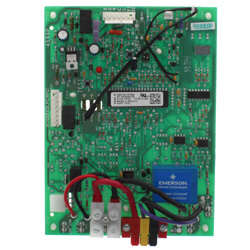
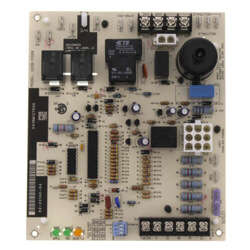
Rheem Control Boards manage startup sequences, burner staging, blower timing, and system safety lockouts on Rheem furnaces and air handlers. A failed control board typically causes intermittent operation, persistent fault codes, or complete system lockout. Rheem control boards are model-specific and must match the unit's wiring harness connectors and staging configuration. Ordering by the OEM part number printed on the existing board is the most reliable way to confirm the correct replacement.
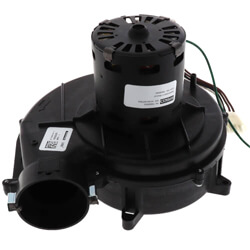
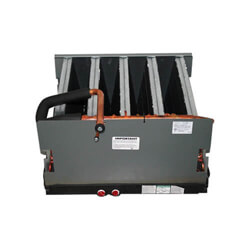
Rheem Draft Blower Assemblies pull combustion gases through the heat exchanger and out the flue before ignition is permitted to proceed. A failing draft blower motor typically causes pressure switch faults that prevent the furnace from lighting. Rheem draft blower assemblies are matched to specific furnace models by airflow rating and mounting configuration. Installing an inducer assembly with an incorrect CFM output can cause the pressure switch to fail to close even after the motor has been replaced.
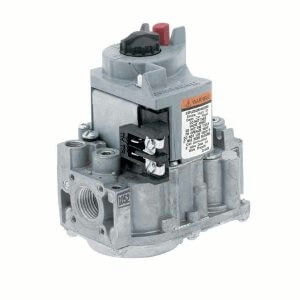
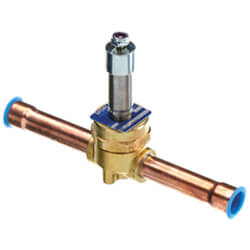
Rheem Gas Valves control fuel delivery to the burner assembly in Rheem gas furnaces and are a safety-critical component requiring careful replacement. A faulty gas valve can cause delayed ignition, failure to fire, or incomplete shutoff that results in gas odors. Rheem gas valves must be matched to the unit's inlet gas pressure, manifold pressure specification, and voltage rating. Manifold pressure should always be verified with a manometer after installation.
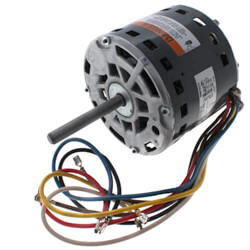
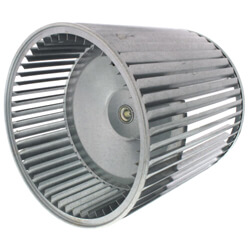
Rheem Blower Motors drive the air handler's blower wheel to move conditioned air through the duct system. A failing blower motor typically causes reduced airflow, intermittent operation, or complete failure to move air after the burner or compressor has started. Rheem blower motors are specified by horsepower, RPM, voltage, and frame size. Variable-speed ECM motors used in higher-efficiency Rheem equipment require a motor matched to the specific control board and wiring harness in the unit.
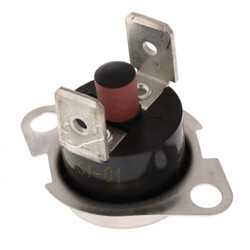
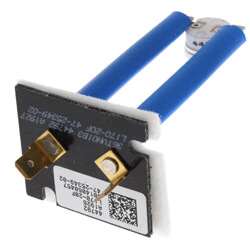
Rheem Pressure Switches verify that the draft blower is producing adequate negative pressure before the control board permits ignition. A pressure switch that trips repeatedly points either to the switch itself or to a failing inducer motor. Rheem pressure switches are rated to specific trip points and must be replaced with a switch of matching specification. Before condemning a pressure switch, verify the inducer motor is operating correctly and check the hose connections and port for blockage.
The model number and serial number of the Rheem unit are the starting point for ordering any replacement part. Components are not always interchangeable between series, even when the physical dimensions are similar. The data plate on the unit provides both the model number and the manufacturing date, which together narrow down the correct replacement part when multiple versions exist.
For ignition and pilot components, identify whether the Rheem unit uses a hot surface igniter, a direct spark igniter, or a standing pilot. Hot surface igniters vary by wattage and element material. Silicon nitride and silicon carbide igniters are not interchangeable in terms of wattage draw, and installing a mismatched igniter can result in premature failure or repeated nuisance faults.
Control board replacement requires confirming the OEM part number from the existing board before ordering. The unit model number alone may return multiple board options if the equipment was produced across several production runs.
Draft blower assemblies must match the original unit's CFM rating and motor mounting configuration. The pressure switch is calibrated to the specific static pressure the inducer motor creates at rated speed. Replacing the inducer with a unit of different airflow output can cause nuisance pressure switch faults on an otherwise functional system.
Gas valve replacement requires confirming inlet gas type, inlet pressure, manifold pressure, and valve voltage before ordering. Always verify manifold pressure with a manometer after installing a replacement valve.
What Rheem parts fail most often on gas furnaces?
The most commonly replaced Rheem parts on gas furnaces are hot surface igniters, flame sensors, draft blower motors, and pressure switches. Igniters and flame sensors degrade over normal operating cycles and frequently cause no-heat calls at the start of heating season. Draft blower motors wear over time and can cause pressure switch faults as airflow drops below the trip threshold.
How do I find the right Rheem control board for my unit?
The correct Rheem control board is identified by the OEM part number printed on the existing board, not by the unit model number alone. The same Rheem furnace model may have been produced with different board revisions, each with different wiring connectors or jumper configurations. Locate the part number on the existing board before ordering.
Are Rheem furnace parts interchangeable with Ruud equipment?
Rheem and Ruud are both brands under the same parent company and share a significant number of OEM part numbers. Many Rheem furnace parts have a Ruud equivalent that is the same physical part with a different label. Cross-referencing the OEM part number from the existing component is the most reliable way to confirm compatibility.
What causes a Rheem furnace pressure switch to trip repeatedly?
Repeated pressure switch trips most commonly indicate a weakening draft blower motor, a blocked flue or condensate drain, a cracked pressure switch hose, or a faulty pressure switch. Check the inducer motor for speed and airflow before replacing the pressure switch, since a new switch on a failing inducer will result in a callback.
Can I replace a Rheem ECM blower motor myself?
Replacing a Rheem ECM blower motor requires more care than a standard PSC motor replacement. ECM motors communicate with the control board and must be matched to the board's control signal and wiring harness. Some Rheem ECM motors also require programming with the unit's model number and airflow settings before they will operate correctly. Confirm compatibility and review installation instructions for any programming steps required before startup.
Resources
Rheem Pilot & Ignition parts cover the components responsible for initiating combustion in Rheem gas furnaces, including hot surface igniters, thermocouples, and pilot assemblies. Ignition failures are among the most common reasons for no-heat service calls on gas equipment. Rheem igniters are model-specific and vary by wattage and element material between equipment generations. Having the correct part on hand at the start of a service call eliminates the need for a return trip when the igniter or thermocouple is confirmed as the failure point.
Rheem Control Boards manage startup sequences, burner staging, blower timing, and system safety lockouts on Rheem furnaces and air handlers. A failed control board typically causes intermittent operation, persistent fault codes, or complete system lockout. Rheem control boards are model-specific and must match the unit's wiring harness connectors and staging configuration. Ordering by the OEM part number printed on the existing board is the most reliable way to confirm the correct replacement.
Rheem Draft Blower Assemblies pull combustion gases through the heat exchanger and out the flue before ignition is permitted to proceed. A failing draft blower motor typically causes pressure switch faults that prevent the furnace from lighting. Rheem draft blower assemblies are matched to specific furnace models by airflow rating and mounting configuration. Installing an inducer assembly with an incorrect CFM output can cause the pressure switch to fail to close even after the motor has been replaced.
Rheem Gas Valves control fuel delivery to the burner assembly in Rheem gas furnaces and are a safety-critical component requiring careful replacement. A faulty gas valve can cause delayed ignition, failure to fire, or incomplete shutoff that results in gas odors. Rheem gas valves must be matched to the unit's inlet gas pressure, manifold pressure specification, and voltage rating. Manifold pressure should always be verified with a manometer after installation.
Rheem Blower Motors drive the air handler's blower wheel to move conditioned air through the duct system. A failing blower motor typically causes reduced airflow, intermittent operation, or complete failure to move air after the burner or compressor has started. Rheem blower motors are specified by horsepower, RPM, voltage, and frame size. Variable-speed ECM motors used in higher-efficiency Rheem equipment require a motor matched to the specific control board and wiring harness in the unit.
Rheem Pressure Switches verify that the draft blower is producing adequate negative pressure before the control board permits ignition. A pressure switch that trips repeatedly points either to the switch itself or to a failing inducer motor. Rheem pressure switches are rated to specific trip points and must be replaced with a switch of matching specification. Before condemning a pressure switch, verify the inducer motor is operating correctly and check the hose connections and port for blockage.
The model number and serial number of the Rheem unit are the starting point for ordering any replacement part. Components are not always interchangeable between series, even when the physical dimensions are similar. The data plate on the unit provides both the model number and the manufacturing date, which together narrow down the correct replacement part when multiple versions exist.
For ignition and pilot components, identify whether the Rheem unit uses a hot surface igniter, a direct spark igniter, or a standing pilot. Hot surface igniters vary by wattage and element material. Silicon nitride and silicon carbide igniters are not interchangeable in terms of wattage draw, and installing a mismatched igniter can result in premature failure or repeated nuisance faults.
Control board replacement requires confirming the OEM part number from the existing board before ordering. The unit model number alone may return multiple board options if the equipment was produced across several production runs.
Draft blower assemblies must match the original unit's CFM rating and motor mounting configuration. The pressure switch is calibrated to the specific static pressure the inducer motor creates at rated speed. Replacing the inducer with a unit of different airflow output can cause nuisance pressure switch faults on an otherwise functional system.
Gas valve replacement requires confirming inlet gas type, inlet pressure, manifold pressure, and valve voltage before ordering. Always verify manifold pressure with a manometer after installing a replacement valve.
What Rheem parts fail most often on gas furnaces?
The most commonly replaced Rheem parts on gas furnaces are hot surface igniters, flame sensors, draft blower motors, and pressure switches. Igniters and flame sensors degrade over normal operating cycles and frequently cause no-heat calls at the start of heating season. Draft blower motors wear over time and can cause pressure switch faults as airflow drops below the trip threshold.
How do I find the right Rheem control board for my unit?
The correct Rheem control board is identified by the OEM part number printed on the existing board, not by the unit model number alone. The same Rheem furnace model may have been produced with different board revisions, each with different wiring connectors or jumper configurations. Locate the part number on the existing board before ordering.
Are Rheem furnace parts interchangeable with Ruud equipment?
Rheem and Ruud are both brands under the same parent company and share a significant number of OEM part numbers. Many Rheem furnace parts have a Ruud equivalent that is the same physical part with a different label. Cross-referencing the OEM part number from the existing component is the most reliable way to confirm compatibility.
What causes a Rheem furnace pressure switch to trip repeatedly?
Repeated pressure switch trips most commonly indicate a weakening draft blower motor, a blocked flue or condensate drain, a cracked pressure switch hose, or a faulty pressure switch. Check the inducer motor for speed and airflow before replacing the pressure switch, since a new switch on a failing inducer will result in a callback.
Can I replace a Rheem ECM blower motor myself?
Replacing a Rheem ECM blower motor requires more care than a standard PSC motor replacement. ECM motors communicate with the control board and must be matched to the board's control signal and wiring harness. Some Rheem ECM motors also require programming with the unit's model number and airflow settings before they will operate correctly. Confirm compatibility and review installation instructions for any programming steps required before startup.