




Rigid/IMC Type-LR Conduit Bodies


 --%3E %3Csvg version='1.1' id='No-RB' xmlns='http://www.w3.org/2000/svg' xmlns:xlink='http://www.w3.org/1999/xlink' x='0px' y='0px' viewBox='0 0 100 100' enable-background='new 0 0 100 100' xml:space='preserve'%3E %3Cpath fill='%23CECECE' d='M79.44,0.95H20.56C9.78,0.95,0.95,9.78,0.95,20.56v58.87c0,10.79,8.82,19.61,19.61,19.61h58.87 c10.79,0,19.61-8.83,19.61-19.61V20.56C99.05,9.78,90.22,0.95,79.44,0.95z M65.38,58.24l9.38,29.58L49.69,69.78L24.5,87.82 l9.34-29.6L8.8,39.6l30.73-0.17c0,0,6.98-19.61,10-28.93c0.54,1.36,9.88,29.1,9.88,29.1H91.2L65.38,58.24z'/%3E %3C/svg%3E)


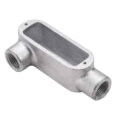





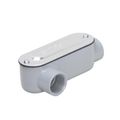
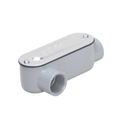
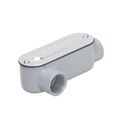


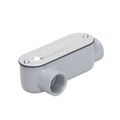

Rigid/IMC Type-LR Conduit Bodies are outlet fittings that let installers change direction, pull wire, or access a conduit run without cutting into rigid metal conduit or intermediate metal conduit. The category covers both aluminum and malleable iron construction across a range of trade sizes, from 1/2 inch up to 1-1/4 inch and beyond. The Hubbell TayMac RLR075, for example, is a 3/4 inch aluminum body rated NEMA 3R and UL listed, with a stamped aluminum cover and a synthetic rubber gasket for wet-location use. Malleable iron versions, including Appleton's Form 8 and Hubbell's Form 35 and Form 85 lines, trade some weight savings for added physical protection on exposed or industrial runs. Every Type LR body includes a removable cover, which gives access for wire pulling and inspection after the conduit run is already in place. Matching material, trade size, and cover type to the job's exposure conditions keeps the installation compliant and durable.
Subcategories
- Aluminum Type LR Conduit Bodies: Aluminum Type LR bodies offer a lighter option than iron for the same trade size. The Hubbell TayMac RLR075 is a 3/4 inch example, rated NEMA 3R and UL listed, with a die cast aluminum body, a stamped aluminum cover, and an NBR synthetic rubber gasket. Cubic capacity on this model measures 7.3 cubic inches, and the body weighs 0.44 pounds. Installers spec aluminum bodies for outdoor or wet-location runs where corrosion resistance and lower weight matter more than maximum impact protection.
- Malleable Iron Type LR Conduit Bodies: Malleable iron Type LR bodies, including Appleton's Form 8 and Hubbell's Form 35 and Form 85 lines, trade added weight for greater physical durability. SupplyHouse carries these in trade sizes including 1 inch, among others, for both Appleton and Hubbell lines. Installers spec malleable iron bodies for industrial settings or exposed runs where impact resistance matters more than minimizing weight. Both Form 35 and Form 85 accept the same rigid, IMC, and EMT conduit connections as their aluminum counterparts.
- Small Trade Size Type LR Bodies: Smaller trade sizes cover the majority of branch circuit conduit runs in residential and light commercial work. SupplyHouse carries a 1/2 inch Type LR body from Hubbell alongside the 3/4 inch Hubbell TayMac RLR075. Small trade sizes fit conduit runs carrying a limited number of conductors, matched to standard branch circuit wiring. Smaller bodies also weigh less than their larger counterparts, simplifying installation in tight or overhead spaces.
- Large Trade Size Type LR Bodies: Larger trade sizes handle feeder runs and conduit carrying a higher conductor count than typical branch circuits. SupplyHouse carries 1 inch options from both Appleton, in its Form 8 line, and Hubbell, in its Form 35 and Form 85 lines, along with a 1-1/4 inch option from Hubbell. Feeder-size conduit bodies still need the same cover and gasket details as smaller sizes to maintain a NEMA 3R rating in wet or outdoor locations. Installers spec these sizes for service entrance runs, subpanel feeds, and other higher-capacity conduit paths.
Buying Guide
Material selection depends mostly on exposure and impact risk. Aluminum Type LR bodies, like the Hubbell TayMac RLR075, weigh less and resist corrosion well, making them a common choice for outdoor and wet-location runs where impact risk stays low. Malleable iron bodies, including Appleton's Form 8 and Hubbell's Form 35 and Form 85 lines, add weight but hold up better in industrial settings or exposed locations where a body might take a physical hit during use. Trade size comes next, and it needs to match the conduit already specified for the run rather than getting selected independently. Rigid/IMC Type-LR Conduit Bodies commonly available through SupplyHouse span from 1/2 inch up through 1-1/4 inch and larger, covering both small branch circuit runs and larger feeder paths. Undersizing a conduit body relative to the conductor count inside forces a cramped, code-noncompliant fill; oversizing wastes material and space without adding function. NEMA rating matters for outdoor or wet installations specifically, since a body needs a rating like NEMA 3R along with a proper cover and gasket to keep moisture out of the wire pulling space. UL listing and NEC compliance should be confirmed on any body specified for a job subject to inspection, regardless of material or trade size. Pulling the conduit size and location conditions together before ordering keeps the job from needing a return trip for the wrong material or rating.
Frequently Asked Questions
What does Type LR mean on a conduit body?
Type LR designates a specific conduit body configuration recognized under NEMA FB-1 and UL 514A/514B standards. Manufacturers including Hubbell and Appleton produce Type LR bodies in both aluminum and malleable iron, across trade sizes from 1/2 inch up through 1-1/4 inch and larger. Each body includes a removable cover for wire pulling and inspection access after installation. The type designation helps installers match the correct body to a conduit routing plan.
Should aluminum or malleable iron be chosen for a Type LR conduit body?
Aluminum bodies, such as the Hubbell TayMac RLR075, weigh less and resist corrosion, making them a common pick for outdoor or wet-location runs. Malleable iron bodies, including Appleton's Form 8 and Hubbell's Form 35 and Form 85 lines, add weight but hold up better against physical impact in industrial settings. Both materials come in overlapping trade sizes, so material choice usually comes down to exposure conditions rather than availability. Checking site conditions for impact risk and moisture exposure helps narrow the choice.
What trade sizes are available for Type LR conduit bodies?
Trade sizes span from 1/2 inch through 1-1/4 inch and larger across the Type LR category. The Hubbell TayMac RLR075 covers the 3/4 inch size, while Appleton's Form 8 and Hubbell's Form 35 and Form 85 lines extend up to 1 inch and beyond. Trade size needs to match the conduit already specified for the run rather than being selected on its own. Larger trade sizes handle feeder runs with higher conductor counts than typical branch circuit sizes.
Are Type LR conduit bodies rated for outdoor or wet locations?
NEMA 3R rated bodies, such as the Hubbell TayMac RLR075, are built for outdoor and wet-location use when paired with the correct cover and gasket. The RLR075 specifically includes a stamped aluminum cover and an NBR synthetic rubber gasket to keep moisture out of the wire pulling space. Not every Type LR body carries the same rating, so checking the specific model against the location's exposure conditions matters before installing. A body without adequate weatherproofing in a wet location risks moisture intrusion into the conduit system.
Is a Type LR conduit body UL listed?
The Hubbell TayMac RLR075 is UL listed and NEC compliant, and this listing status is standard across most Type LR bodies from major manufacturers. Confirming UL listing matters most on jobs subject to inspection, where an unlisted fitting can fail a walkthrough. Listing status appears on the body itself or on manufacturer documentation for the specific model. Checking listing status alongside material and trade size keeps the whole selection process aligned with code requirements.
