




Slant/Fin Multi/Pak 88 Baseboard Heaters

 --%3E %3Csvg version='1.1' id='No-RB' xmlns='http://www.w3.org/2000/svg' xmlns:xlink='http://www.w3.org/1999/xlink' x='0px' y='0px' viewBox='0 0 100 100' enable-background='new 0 0 100 100' xml:space='preserve'%3E %3Cpath fill='%23CECECE' d='M79.44,0.95H20.56C9.78,0.95,0.95,9.78,0.95,20.56v58.87c0,10.79,8.82,19.61,19.61,19.61h58.87 c10.79,0,19.61-8.83,19.61-19.61V20.56C99.05,9.78,90.22,0.95,79.44,0.95z M65.38,58.24l9.38,29.58L49.69,69.78L24.5,87.82 l9.34-29.6L8.8,39.6l30.73-0.17c0,0,6.98-19.61,10-28.93c0.54,1.36,9.88,29.1,9.88,29.1H91.2L65.38,58.24z'/%3E %3C/svg%3E)

 --%3E %3Csvg version='1.1' id='Fill' xmlns='http://www.w3.org/2000/svg' xmlns:xlink='http://www.w3.org/1999/xlink' x='0px' y='0px' viewBox='0 0 100 100' enable-background='new 0 0 100 100' xml:space='preserve'%3E %3Cpath fill='%23F15C02' d='M79.44,0.95H20.56C9.78,0.95,0.95,9.78,0.95,20.56v58.87c0,10.79,8.82,19.61,19.61,19.61h58.87 c10.79,0,19.61-8.83,19.61-19.61V20.56C99.05,9.78,90.22,0.95,79.44,0.95z M65.38,58.24l9.38,29.58L49.69,69.78L24.5,87.82 l9.34-29.6L8.8,39.6l30.73-0.17c0,0,6.98-19.61,10-28.93c0.54,1.36,9.88,29.1,9.88,29.1H91.2L65.38,58.24z'/%3E %3C/svg%3E)

 --%3E %3Csvg version='1.1' id='With-RB' xmlns='http://www.w3.org/2000/svg' xmlns:xlink='http://www.w3.org/1999/xlink' x='0px' y='0px' viewBox='0 0 100 100' enable-background='new 0 0 100 100' xml:space='preserve'%3E %3Cpath fill='%23FBC8B4' d='M79.44,0.95H20.56C9.78,0.95,0.95,9.78,0.95,20.56v58.87c0,10.79,8.82,19.61,19.61,19.61h58.87 c10.79,0,19.61-8.83,19.61-19.61V20.56C99.05,9.78,90.22,0.95,79.44,0.95z M65.38,58.24l9.38,29.58L49.69,69.78L24.5,87.82 l9.34-29.6L8.8,39.6l30.73-0.17c0,0,6.98-19.61,10-28.93c0.54,1.36,9.88,29.1,9.88,29.1H91.2L65.38,58.24z'/%3E %3C/svg%3E)
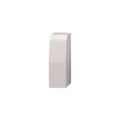
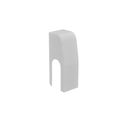
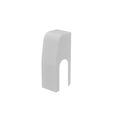
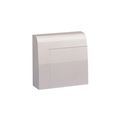
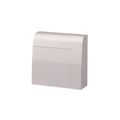
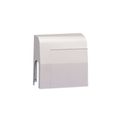
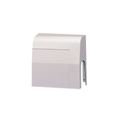
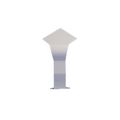
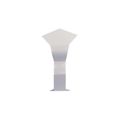
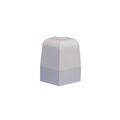
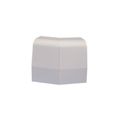
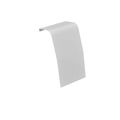
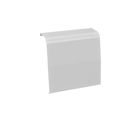
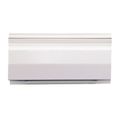
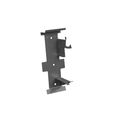


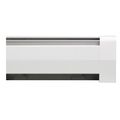
Slant/Fin Multi/Pak 88 Baseboard Heaters are hydronic finned-tube baseboard units designed for residential and light commercial hot water heating systems. Each unit houses a finned copper tube inside a steel enclosure, allowing hot water from a boiler to radiate steady, even heat across a room without the noise or airflow associated with forced-air systems. Contractors specify this line when replacing aging baseboard elements or extending a hydronic zone, since the modular Multi/Pak design lets sections join end to end to match a room's heating load. The line covers various lengths and trim options, so installers can match existing sightlines during a retrofit or size a new run to a specific wall. Hydronic baseboard heat also pairs well with zoned thermostats, giving building owners room-by-room control. For plumbing and heating contractors working older homes with cast-iron boilers, this line offers a straightforward path to reliable, low-maintenance heat distribution.
Subcategories
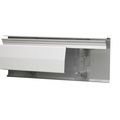
- Baseboard Elements: Baseboard elements are the core finned-tube sections that generate heat output for a Multi/Pak 88 run. Contractors install them along the base of interior walls, connecting to supply and return lines from a boiler. Because sections come in multiple lengths, installers can combine several to reach the exact linear footage a room calls for. This is the piece most often replaced when an older enclosure shows corrosion or reduced heat transfer.
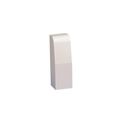
- End Caps and Trim: End caps and trim pieces finish the exposed ends of a baseboard run and give the installation a clean, factory look. They snap onto the enclosure without additional fasteners in most cases, so a contractor can complete trim work quickly during a retrofit. Trim also protects the finned element from dust and accidental contact. Matching trim color and profile to the existing enclosure keeps a repair from standing out.
- Valves and Accessories: Valves and accessories cover the components that control water flow and mounting hardware for a Multi/Pak 88 zone. Balancing valves let a contractor tune output room by room when a system serves multiple zones. Wall brackets and hangers secure the enclosure at the correct height above the floor. Stocking these accessories alongside baseboard elements avoids a second trip for a straightforward replacement job.
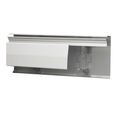
- Enclosure Covers: Enclosure covers are the outer steel housing that shields the finned tube while directing convected air into the room. A damaged or dented cover is a common reason contractors replace only this piece rather than the full element underneath. Covers are typically finished in a baked enamel that matches other Slant/Fin baseboard products. Replacing just the cover is often the fastest fix when the heating element itself is still functional.
Buying Guide
Choosing the right baseboard heating components starts with confirming what's already installed. Contractors should measure the existing enclosure length and note the connection type before ordering a replacement element, since a mismatch means extra cutting or an awkward transition piece. Matching output to the room also matters: a larger space or one with more exterior wall area typically needs a longer run or an additional zone rather than a single oversized unit.
For new installations, Slant/Fin Multi/Pak 88 Baseboard Heaters work best in homes already running a hydronic boiler system, since the finned-tube design depends on circulated hot water rather than forced air. Contractors converting from an older baseboard style should check that boiler output and piping size can support the added zone before finalizing a parts list.
Trim and cover selection affects both appearance and long-term maintenance. Choosing a cover finish that matches existing baseboard runs keeps a repair from looking patched together, and a slightly oversized cover can simplify installation over a slightly modified enclosure length.
Finally, plan for accessories at the same time as the main elements. Balancing valves, end caps, and mounting brackets are inexpensive relative to a return trip, and having them on hand prevents a callback for what should have been a single visit. Buying elements and accessories together also reduces shipping delays on a job with a tight schedule.
Frequently Asked Questions
Can I mix Multi/Pak 88 elements with older Slant/Fin baseboard covers?
In many cases the enclosure profile lines up closely enough for a visual match, but check the exact enclosure height and depth before ordering. If the old cover is a different generation, a replacement cover from the current line is usually a safer bet than mixing parts.
How long can a single hydronic zone run before I need to split it into two?
It depends on the boiler's pump capacity and the required heat output for the space. Longer runs increase resistance and can starve the far end of the zone. Consult the boiler manufacturer's guidance or a heat-loss calculation before committing to one continuous run.
Do these baseboard units work with any boiler, or only specific brands?
Multi/Pak 88 elements are compatible with standard hydronic boiler systems regardless of brand, since they connect through standard supply and return piping. Confirm the connection size and any required fittings before ordering to avoid a mismatch on site.
What's the most common reason a contractor replaces just the cover instead of the whole unit?
A dented, corroded, or discolored cover is usually the culprit, especially in basements or areas prone to moisture. If the finned element still transfers heat properly, swapping only the cover saves labor and material cost compared to replacing the entire baseboard run.
Can balancing valves be added to an existing zone without replacing the baseboard element?
Yes, balancing valves typically install inline at the supply or return connection without disturbing the baseboard element itself. This lets a contractor add zone control to an older system without tearing into finished walls or flooring.
