




Filters
SORT
Product Availability –
Brand –
Size –
Gauge –
Review Score –
 --%3E %3Csvg version='1.1' id='Fill' xmlns='http://www.w3.org/2000/svg' xmlns:xlink='http://www.w3.org/1999/xlink' x='0px' y='0px' viewBox='0 0 100 100' enable-background='new 0 0 100 100' xml:space='preserve'%3E %3Cpath fill='%23F15C02' d='M79.44,0.95H20.56C9.78,0.95,0.95,9.78,0.95,20.56v58.87c0,10.79,8.82,19.61,19.61,19.61h58.87 c10.79,0,19.61-8.83,19.61-19.61V20.56C99.05,9.78,90.22,0.95,79.44,0.95z M65.38,58.24l9.38,29.58L49.69,69.78L24.5,87.82 l9.34-29.6L8.8,39.6l30.73-0.17c0,0,6.98-19.61,10-28.93c0.54,1.36,9.88,29.1,9.88,29.1H91.2L65.38,58.24z'/%3E %3C/svg%3E)
 --%3E %3Csvg version='1.1' id='With-RB' xmlns='http://www.w3.org/2000/svg' xmlns:xlink='http://www.w3.org/1999/xlink' x='0px' y='0px' viewBox='0 0 100 100' enable-background='new 0 0 100 100' xml:space='preserve'%3E %3Cpath fill='%23FBC8B4' d='M79.44,0.95H20.56C9.78,0.95,0.95,9.78,0.95,20.56v58.87c0,10.79,8.82,19.61,19.61,19.61h58.87 c10.79,0,19.61-8.83,19.61-19.61V20.56C99.05,9.78,90.22,0.95,79.44,0.95z M65.38,58.24l9.38,29.58L49.69,69.78L24.5,87.82 l9.34-29.6L8.8,39.6l30.73-0.17c0,0,6.98-19.61,10-28.93c0.54,1.36,9.88,29.1,9.88,29.1H91.2L65.38,58.24z'/%3E %3C/svg%3E)
Price Range –
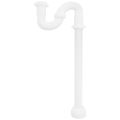
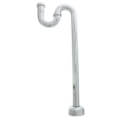
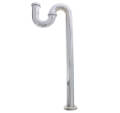
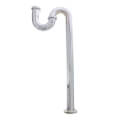
Tubular S-Traps




 --%3E %3Csvg version='1.1' id='No-RB' xmlns='http://www.w3.org/2000/svg' xmlns:xlink='http://www.w3.org/1999/xlink' x='0px' y='0px' viewBox='0 0 100 100' enable-background='new 0 0 100 100' xml:space='preserve'%3E %3Cpath fill='%23CECECE' d='M79.44,0.95H20.56C9.78,0.95,0.95,9.78,0.95,20.56v58.87c0,10.79,8.82,19.61,19.61,19.61h58.87 c10.79,0,19.61-8.83,19.61-19.61V20.56C99.05,9.78,90.22,0.95,79.44,0.95z M65.38,58.24l9.38,29.58L49.69,69.78L24.5,87.82 l9.34-29.6L8.8,39.6l30.73-0.17c0,0,6.98-19.61,10-28.93c0.54,1.36,9.88,29.1,9.88,29.1H91.2L65.38,58.24z'/%3E %3C/svg%3E)

 --%3E %3Csvg version='1.1' id='Half' xmlns='http://www.w3.org/2000/svg' xmlns:xlink='http://www.w3.org/1999/xlink' x='0px' y='0px' viewBox='0 0 100 100' enable-background='new 0 0 100 100' xml:space='preserve'%3E %3Cg%3E %3Cpath fill='%23F15C02' d='M30.05,70.23l3.79-12.01L8.8,39.6l30.73-0.17c0,0,6.98-19.61,10-28.93c0.54,1.36,9.88,29.1,9.88,29.1h1.58 L93.71,7.18c-3.58-3.82-8.66-6.23-14.28-6.23H20.56C9.78,0.95,0.95,9.78,0.95,20.56v58.87c0,5.41,2.22,10.32,5.79,13.88 L30.05,70.23z'/%3E %3C/g%3E %3Cpath fill='%23FBC8B4' d='M93.71,7.18L60.98,39.6H91.2L65.38,58.24l9.38,29.58L49.69,69.78L24.5,87.82l5.55-17.59L6.75,93.32 c3.55,3.54,8.44,5.73,13.82,5.73h58.87c10.79,0,19.61-8.83,19.61-19.61V20.56C99.05,15.4,97.01,10.69,93.71,7.18z'/%3E %3C/svg%3E)
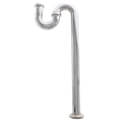

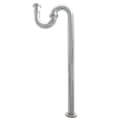
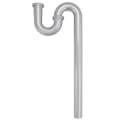
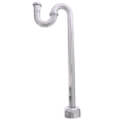
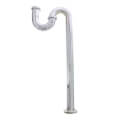
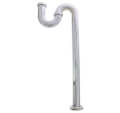
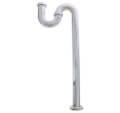
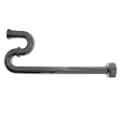
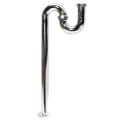
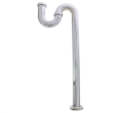
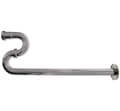
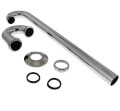
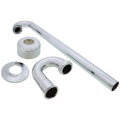


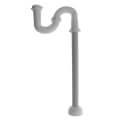
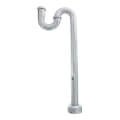
Tubular S-Traps are drain fittings that connect a fixture drain to a waste line running straight down through the floor, creating the water seal that blocks sewer gas from entering the building. Standard sizes run 1-1/4 inch and 1-1/2 inch, covering the vast majority of bathroom and kitchen sink drain connections. Plumbers build these traps from either brass, available in 17, 20, and 22 gauge thicknesses, or from polypropylene plastic, and the tubular design uses slip nuts and washers rather than solvent cement, so the whole assembly comes apart by hand for cleaning or repair. Kitchen sinks require the thicker 1-1/2 inch size, while bathroom lavatories commonly use 1-1/4 inch. Choosing the right material and gauge affects how long the trap holds up under repeated tightening and how easily it services years down the road.
Subcategories
- Brass Tubular S-Traps: Brass tubular S-traps come in 17, 20, and 22 gauge thicknesses, with 17 gauge representing the thickest, most durable option typically specified for commercial installations. Plumbers choose brass where a chrome-plated finish needs to match exposed supply lines under a pedestal sink or wall-hung lavatory. Thicker gauge brass resists dents and wear better than thinner options in high-traffic restrooms. Slip nut connections let a plumber service or replace the trap without cutting into the waste line.
- Plastic Tubular S-Traps: Plastic tubular S-traps use polypropylene construction, offering a lighter-weight and lower-cost alternative to brass in installations where an exposed chrome finish isn't required. Installers commonly use plastic traps under kitchen and utility sinks where the trap sits inside a cabinet out of view. The polypropylene material resists corrosion from common drain chemicals better than lower-gauge brass. Some plastic tubular products, including certain S-trap configurations, aren't approved for installations requiring a plumbing permit or inspection, so checking local code before installing is part of the job.
- 1-1/4 Inch Tubular S-Traps: 1-1/4 inch tubular S-traps fit the smaller drain connections found on most bathroom lavatories and some specialty fixtures. Plumbers doing bathroom remodels reach for this size as the default unless the fixture specifies otherwise. Both brass and plastic versions come in this size, giving installers a material choice based on the finish and budget of the project. Extension tubes and waste arms in matching 1-1/4 inch sizing complete the connection to the wall or floor drain.
- 1-1/2 Inch Tubular S-Traps: 1-1/2 inch tubular S-traps handle the larger drain connections required for kitchen sinks and many utility sinks. Code requires kitchen sink tubular products in this size due to the higher flow volume kitchen drains handle. Commercial kitchen installations often specify the thicker 17 gauge brass version in this size for added durability. Matching waste arms and extension tubes in 1-1/2 inch sizing keep the whole drain assembly consistent from fixture to floor connection.
Buying Guide
Fixture type sets the starting point for sizing Tubular S-Traps, since kitchen sinks require the larger 1-1/2 inch size while bathroom lavatories commonly use 1-1/4 inch. Material choice comes down to visibility and budget: brass works where the trap sits exposed under a pedestal sink or wall-hung lavatory and a chrome finish needs to match the supply lines, while polypropylene plastic costs less and holds up well in cabinet-enclosed installations where appearance doesn't matter. Brass tubular traps come in 17, 20, and 22 gauge thicknesses, and picking the thicker 17 gauge option in commercial restrooms or high-traffic installations pays off in longer service life before the trap needs replacement. Checking local plumbing code before installing a plastic S-trap matters, since some plastic tubular configurations aren't approved for installations requiring a permit or inspection, which can create a problem on a job that needs to pass a final inspection. Slip nut connections make tubular traps easy to service without cutting into the waste line, which is worth factoring in when choosing between a tubular trap and a one-piece cast trap on a remodel where future access matters. Extension tubes and waste arms should match the trap's diameter exactly, since mixing sizes at a slip joint creates a leak point that shows up the first time the fixture drains. Matching size, material, and gauge to the fixture and the code requirements for the job keeps the installation leak free and inspection ready.
Frequently Asked Questions
What size tubular S-trap does a kitchen sink need?
Kitchen sinks require the 1-1/2 inch tubular S-trap size due to the higher flow volume these drains handle. Bathroom lavatories commonly use the smaller 1-1/4 inch size instead. Checking the fixture's drain opening before purchasing confirms which size fits. Mixing sizes at the connection point creates a leak-prone joint that won't seal properly.
Is brass or plastic better for a tubular S-trap?
Brass tubular S-traps work well where the trap sits exposed and needs a chrome finish to match nearby supply lines, and thicker 17 gauge brass holds up longest under repeated use. Plastic polypropylene traps cost less and resist corrosion from drain chemicals, making them a common choice under kitchen and utility sinks where the trap stays hidden inside a cabinet. Local code sometimes restricts plastic S-traps in installations requiring a permit or inspection. Checking the specific code requirement for the job before choosing material avoids a failed inspection.
Are plastic S-traps allowed in permitted plumbing installations?
Some plastic tubular S-trap configurations aren't approved for installations that require a plumbing permit or inspection. Checking local code before specifying a plastic S-trap on a permitted job prevents a failed inspection later. Brass tubular traps typically don't carry the same restriction. Confirming the requirement with the local plumbing inspector before the job starts is the safest approach on any permitted project.
What gauge brass should be used for a commercial restroom?
17 gauge brass represents the thickest, most durable tubular option and holds up best in commercial restrooms with heavy daily use. 20 gauge brass offers a mid-range thickness suited to moderate-traffic installations. 22 gauge brass costs less but wears faster under repeated tightening and heavy use. Commercial installers typically specify 17 gauge for restrooms that see frequent maintenance or public traffic.
Can a tubular S-trap be serviced without cutting the waste line?
Slip nut connections on tubular S-traps allow a plumber to disassemble the trap by hand or with a light turn of channel-lock pliers, without cutting into the waste line. Nothing in the assembly is solvent-welded, so every joint comes apart for cleaning or replacement. Extension tubes and waste arms use the same slip nut design for consistent servicing. Keeping washers in good condition at each joint prevents the need for future repairs from slow leaks.
