




Ty-Rap

 --%3E %3Csvg version='1.1' id='No-RB' xmlns='http://www.w3.org/2000/svg' xmlns:xlink='http://www.w3.org/1999/xlink' x='0px' y='0px' viewBox='0 0 100 100' enable-background='new 0 0 100 100' xml:space='preserve'%3E %3Cpath fill='%23CECECE' d='M79.44,0.95H20.56C9.78,0.95,0.95,9.78,0.95,20.56v58.87c0,10.79,8.82,19.61,19.61,19.61h58.87 c10.79,0,19.61-8.83,19.61-19.61V20.56C99.05,9.78,90.22,0.95,79.44,0.95z M65.38,58.24l9.38,29.58L49.69,69.78L24.5,87.82 l9.34-29.6L8.8,39.6l30.73-0.17c0,0,6.98-19.61,10-28.93c0.54,1.36,9.88,29.1,9.88,29.1H91.2L65.38,58.24z'/%3E %3C/svg%3E)

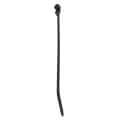
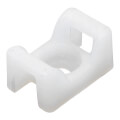
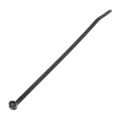
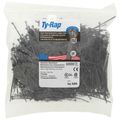
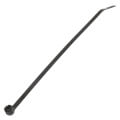
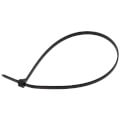
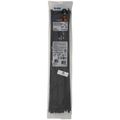
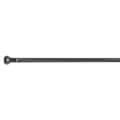
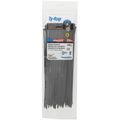
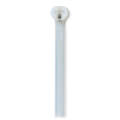
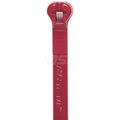
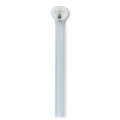
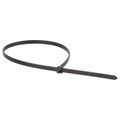
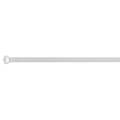
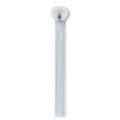
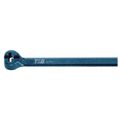
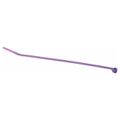
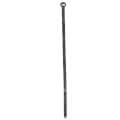
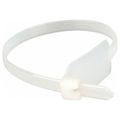
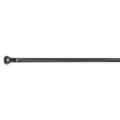
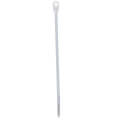
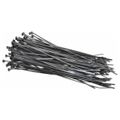

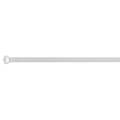
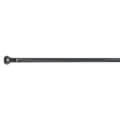
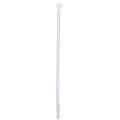
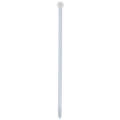
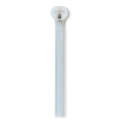
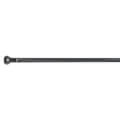
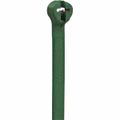
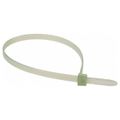

Ty-Rap is the original cable tie brand, developed by Thomas & Betts and patented in 1958 by inventor Maurus C. Logan, who conceived the design after observing the labor involved in bundling aircraft wiring harnesses at a Boeing manufacturing facility. What began as a solution for aerospace wire management grew into a product category used across nearly every industry that runs cable or wiring.
Thomas & Betts was later acquired by ABB, a global technology and electrification company, and Ty-Rap continues to operate as one of ABB's long-standing cable management brands.
Product Lines
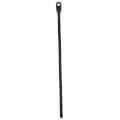
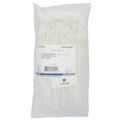
The Ty-Rap catalog spans standard nylon cable ties in a range of lengths and tensile strengths, along with specialty variants built for specific job conditions such as high heat, outdoor UV exposure, and releasable or reusable designs for applications where ties need to come apart without cutting.
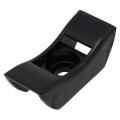
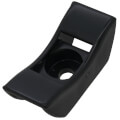
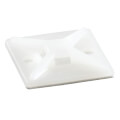
Beyond the tie itself, the line includes mounting accessories such as cable tie mounts and anchors that let electricians and installers secure bundled wiring to studs, panels, and equipment surfaces.
Why Contractors Specify Ty-Rap
More than 28 billion Ty-Rap ties have been produced since the brand's introduction, a track record that gives electricians and low-voltage installers confidence in a product with decades of field use behind it.
For trade professionals working in electrical, HVAC controls, and data and communications wiring, a dependable cable tie is a small component that carries outsized consequences if it fails, since a loose or degraded tie can lead to chafed insulation, sagging cable runs, or code violations during inspection. Ty-Rap's range of tensile ratings and environmental grades lets installers match the tie to the specific demands of a job rather than defaulting to a single general-purpose tie for every application.
How to Choose Ty-Rap Products
Matching a cable tie to the job starts with tensile strength, since bundling a handful of low-voltage control wires calls for a different rating than securing heavy conduit runs or outdoor service drops.
Installations exposed to sunlight or weather call for UV-stabilized ties rather than standard indoor-rated nylon, which can become brittle and fail prematurely outdoors. For temporary bundling, service loops, or wiring that may need to be reconfigured later, releasable ties allow the bundle to be opened and reused without cutting and replacing the tie each time.
Frequently Asked Questions
What is the difference between Ty-Rap's standard and heavy-duty cable ties?
Standard ties are rated for typical indoor bundling of low to moderate loads, while heavy-duty ties carry higher tensile strength ratings for securing larger cable bundles, conduit, or heavier wiring runs.
Are Ty-Rap cable ties rated for outdoor use?
Ty-Rap offers UV-stabilized cable ties specifically formulated to resist degradation from sunlight exposure, making them suitable for outdoor electrical and HVAC installations.
What is a releasable cable tie used for?
A releasable tie can be opened and reused without cutting, which is useful for service loops, temporary bundling, or wiring that installers expect to reconfigure during testing or future maintenance.
Who invented the Ty-Rap cable tie?
The Ty-Rap cable tie was developed by Thomas and Betts engineer Maurus C. Logan, who patented the design in 1958 after seeing the time-consuming process of bundling wiring harnesses in aircraft manufacturing.
Is Ty-Rap still made by Thomas and Betts?
Thomas and Betts became part of ABB, and Ty-Rap continues to be manufactured and sold as one of ABB's electrical and cable management brands.
