




Filters
SORT
Product Availability –
Brand –
Shutoff Head (ft.) –
Horse Power –
Review Score –
 --%3E %3Csvg version='1.1' id='Fill' xmlns='http://www.w3.org/2000/svg' xmlns:xlink='http://www.w3.org/1999/xlink' x='0px' y='0px' viewBox='0 0 100 100' enable-background='new 0 0 100 100' xml:space='preserve'%3E %3Cpath fill='%23F15C02' d='M79.44,0.95H20.56C9.78,0.95,0.95,9.78,0.95,20.56v58.87c0,10.79,8.82,19.61,19.61,19.61h58.87 c10.79,0,19.61-8.83,19.61-19.61V20.56C99.05,9.78,90.22,0.95,79.44,0.95z M65.38,58.24l9.38,29.58L49.69,69.78L24.5,87.82 l9.34-29.6L8.8,39.6l30.73-0.17c0,0,6.98-19.61,10-28.93c0.54,1.36,9.88,29.1,9.88,29.1H91.2L65.38,58.24z'/%3E %3C/svg%3E)
 --%3E %3Csvg version='1.1' id='With-RB' xmlns='http://www.w3.org/2000/svg' xmlns:xlink='http://www.w3.org/1999/xlink' x='0px' y='0px' viewBox='0 0 100 100' enable-background='new 0 0 100 100' xml:space='preserve'%3E %3Cpath fill='%23FBC8B4' d='M79.44,0.95H20.56C9.78,0.95,0.95,9.78,0.95,20.56v58.87c0,10.79,8.82,19.61,19.61,19.61h58.87 c10.79,0,19.61-8.83,19.61-19.61V20.56C99.05,9.78,90.22,0.95,79.44,0.95z M65.38,58.24l9.38,29.58L49.69,69.78L24.5,87.82 l9.34-29.6L8.8,39.6l30.73-0.17c0,0,6.98-19.61,10-28.93c0.54,1.36,9.88,29.1,9.88,29.1H91.2L65.38,58.24z'/%3E %3C/svg%3E)
Price Range –
Well Pumps

 --%3E %3Csvg version='1.1' id='Half' xmlns='http://www.w3.org/2000/svg' xmlns:xlink='http://www.w3.org/1999/xlink' x='0px' y='0px' viewBox='0 0 100 100' enable-background='new 0 0 100 100' xml:space='preserve'%3E %3Cg%3E %3Cpath fill='%23F15C02' d='M30.05,70.23l3.79-12.01L8.8,39.6l30.73-0.17c0,0,6.98-19.61,10-28.93c0.54,1.36,9.88,29.1,9.88,29.1h1.58 L93.71,7.18c-3.58-3.82-8.66-6.23-14.28-6.23H20.56C9.78,0.95,0.95,9.78,0.95,20.56v58.87c0,5.41,2.22,10.32,5.79,13.88 L30.05,70.23z'/%3E %3C/g%3E %3Cpath fill='%23FBC8B4' d='M93.71,7.18L60.98,39.6H91.2L65.38,58.24l9.38,29.58L49.69,69.78L24.5,87.82l5.55-17.59L6.75,93.32 c3.55,3.54,8.44,5.73,13.82,5.73h58.87c10.79,0,19.61-8.83,19.61-19.61V20.56C99.05,15.4,97.01,10.69,93.71,7.18z'/%3E %3C/svg%3E)


 --%3E %3Csvg version='1.1' id='No-RB' xmlns='http://www.w3.org/2000/svg' xmlns:xlink='http://www.w3.org/1999/xlink' x='0px' y='0px' viewBox='0 0 100 100' enable-background='new 0 0 100 100' xml:space='preserve'%3E %3Cpath fill='%23CECECE' d='M79.44,0.95H20.56C9.78,0.95,0.95,9.78,0.95,20.56v58.87c0,10.79,8.82,19.61,19.61,19.61h58.87 c10.79,0,19.61-8.83,19.61-19.61V20.56C99.05,9.78,90.22,0.95,79.44,0.95z M65.38,58.24l9.38,29.58L49.69,69.78L24.5,87.82 l9.34-29.6L8.8,39.6l30.73-0.17c0,0,6.98-19.61,10-28.93c0.54,1.36,9.88,29.1,9.88,29.1H91.2L65.38,58.24z'/%3E %3C/svg%3E)

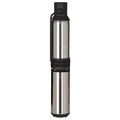
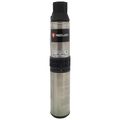
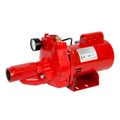
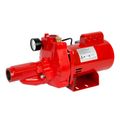
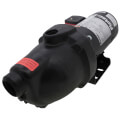
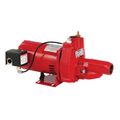

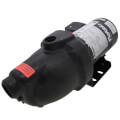

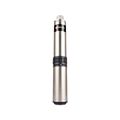
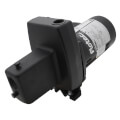
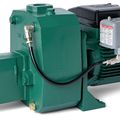
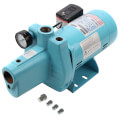

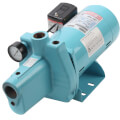
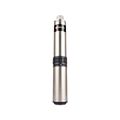

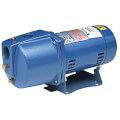

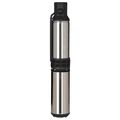
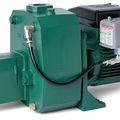


Well pumps are the mechanical heart of a private water well system, moving water from an underground aquifer up to a home, farm, or commercial building's plumbing. Two main types cover most residential and light commercial jobs: submersible pumps, which sit down in the well casing below the water line, and jet pumps, which stay above ground and pull water up through a suction line. Submersible units handle deeper wells and higher flow demands with less noise and a reduced risk of losing prime, while jet pumps suit shallower wells and offer easier surface access for repairs. Horsepower, flow rate in gallons per minute, and total dynamic head all factor into matching a pump to a well's depth and a property's peak water demand. Getting that match right keeps water pressure steady at every fixture instead of surging and dropping as demand changes throughout the day.
Subcategories
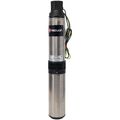
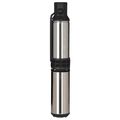
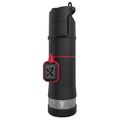
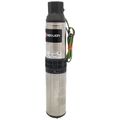
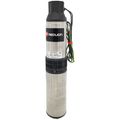
- Submersible Well Pumps: Submersible well pumps operate fully underwater, installed down inside the well casing near or below the water source, which lets them push water upward rather than pull it. Contractors favor them for deeper wells because they run quieter than surface-mounted alternatives and avoid the priming issues that come with drawing water over a long vertical distance. Sizing depends on well depth, static water level, and the household's or building's peak flow requirement in gallons per minute. Because the pump sits below ground, service work typically means pulling the entire drop pipe and motor assembly rather than a simple surface repair.
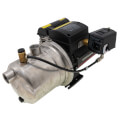
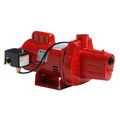
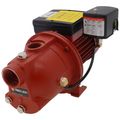
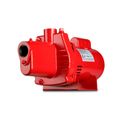
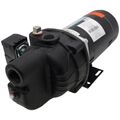
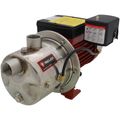
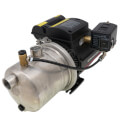
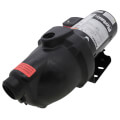
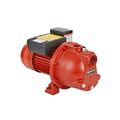
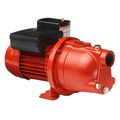
- Jet Pumps: Jet pumps mount above ground, near the wellhead or inside a utility space, and use a venturi nozzle to create suction that draws water up through a foot valve at the bottom of the well. Shallow-well jet pumps work well for wells around 25 feet deep or less, while deep-well versions add a second pipe and ejector assembly to reach further down. Above-ground placement makes routine maintenance and troubleshooting more accessible than digging into a submersible setup. Losing prime is the most common jet pump complaint, so checking the foot valve and suction line for leaks is a standard first troubleshooting step.
- Convertible Well Pumps: Convertible well pumps ship with components that let the same pump body function as either a shallow-well or deep-well jet pump, depending on which ejector assembly gets installed. That flexibility appeals to contractors stocking a smaller range of parts for varied well depths across different job sites. Switching configurations means swapping the ejector and ensuring the pressure and flow ratings still match the well's actual output. Convertible models tend to see use in situations where the well depth was uncertain at the time of pump selection.
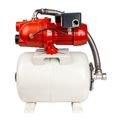
- Well Pump Control Boxes and Pressure Switches: Control boxes and pressure switches regulate when a well pump turns on and off, protecting the motor from short-cycling and maintaining consistent water pressure at the fixtures. A pressure switch reads tank pressure and signals the pump to start once pressure drops below a set point, then stops it once the tank refills to the cut-out pressure. Control boxes handle capacitor and relay functions for certain submersible pump motor types, particularly single-phase designs that need a start capacitor to get moving. A failed switch or control box is a common reason a well system loses pressure even when the pump itself is functioning correctly.
Buying Guide
Selecting the right well pump starts with knowing the well's static water level and total depth, since those two numbers determine whether a jet pump can physically lift water to the surface or whether a submersible unit is the only practical option. Wells deeper than roughly 25 feet generally call for either a deep-well jet pump configuration or a submersible pump, while shallower wells leave both options on the table.
Flow rate and pressure requirements come next. A household with multiple bathrooms, irrigation zones, or other simultaneous water demands needs a well pump sized to deliver enough gallons per minute at the pressure tank without excessive cycling. Well pumps that are undersized for the demand placed on them run longer and cycle more frequently, which shortens motor life, while an oversized pump can short-cycle against a pressure tank that isn't sized to match it.
Electrical service also matters. Some pump motors run on standard household voltage while larger or deeper-well models require higher voltage service, so confirming what's available at the property avoids an installation that can't be wired as planned. Pairing the pump with a properly sized pressure tank, control box, and pressure switch rounds out a system that delivers stable pressure rather than one that merely moves water.
Frequently Asked Questions
How do I know if a well needs a submersible pump instead of a jet pump?
Well depth is the deciding factor. Once static water level drops much beyond roughly 25 feet, a jet pump loses the ability to reliably draw water to the surface, making a submersible pump the more practical choice. Shallower wells can often use either type, so flow demand and noise preference become the tiebreakers.
Why does a well pump keep losing prime?
Jet pumps rely on a sealed suction line and a functioning foot valve to maintain prime, so any air leak in the suction piping or a foot valve that isn't sealing lets air into the system and breaks suction. Checking pipe joints, fittings, and the foot valve for wear is the standard troubleshooting sequence before assuming the pump itself has failed.
What causes a well pump to short-cycle?
Short-cycling usually points to a pressure switch set incorrectly, a waterlogged pressure tank that has lost its air charge, or a pump oversized for the tank it's paired with. Checking tank air pressure with the system depressurized is a quick first step, since a tank that should hold air pressure but reads near zero has likely failed.
Can a convertible well pump be switched between shallow and deep well setups later?
Yes, that flexibility is the point of a convertible design. Switching requires installing the correct ejector assembly for the new depth and confirming the pump's flow and pressure output still match the well's actual yield at that configuration.
How often should a well pump control box or pressure switch be inspected?
Checking these components during any annual well system service catches early signs of relay wear or a switch that's drifting out of its set pressure range. Symptoms like pressure fluctuating at fixtures, a pump that cycles more than usual, or a motor that hums without starting are all reasons to inspect the control box and switch sooner rather than waiting for a full failure.
