




Watts SD-3 Dual Check for Carbonated Beverage Machines

 --%3E %3Csvg version='1.1' id='Fill' xmlns='http://www.w3.org/2000/svg' xmlns:xlink='http://www.w3.org/1999/xlink' x='0px' y='0px' viewBox='0 0 100 100' enable-background='new 0 0 100 100' xml:space='preserve'%3E %3Cpath fill='%23F15C02' d='M79.44,0.95H20.56C9.78,0.95,0.95,9.78,0.95,20.56v58.87c0,10.79,8.82,19.61,19.61,19.61h58.87 c10.79,0,19.61-8.83,19.61-19.61V20.56C99.05,9.78,90.22,0.95,79.44,0.95z M65.38,58.24l9.38,29.58L49.69,69.78L24.5,87.82 l9.34-29.6L8.8,39.6l30.73-0.17c0,0,6.98-19.61,10-28.93c0.54,1.36,9.88,29.1,9.88,29.1H91.2L65.38,58.24z'/%3E %3C/svg%3E)
 --%3E %3Csvg version='1.1' id='With-RB' xmlns='http://www.w3.org/2000/svg' xmlns:xlink='http://www.w3.org/1999/xlink' x='0px' y='0px' viewBox='0 0 100 100' enable-background='new 0 0 100 100' xml:space='preserve'%3E %3Cpath fill='%23FBC8B4' d='M79.44,0.95H20.56C9.78,0.95,0.95,9.78,0.95,20.56v58.87c0,10.79,8.82,19.61,19.61,19.61h58.87 c10.79,0,19.61-8.83,19.61-19.61V20.56C99.05,9.78,90.22,0.95,79.44,0.95z M65.38,58.24l9.38,29.58L49.69,69.78L24.5,87.82 l9.34-29.6L8.8,39.6l30.73-0.17c0,0,6.98-19.61,10-28.93c0.54,1.36,9.88,29.1,9.88,29.1H91.2L65.38,58.24z'/%3E %3C/svg%3E)

 --%3E %3Csvg version='1.1' id='No-RB' xmlns='http://www.w3.org/2000/svg' xmlns:xlink='http://www.w3.org/1999/xlink' x='0px' y='0px' viewBox='0 0 100 100' enable-background='new 0 0 100 100' xml:space='preserve'%3E %3Cpath fill='%23CECECE' d='M79.44,0.95H20.56C9.78,0.95,0.95,9.78,0.95,20.56v58.87c0,10.79,8.82,19.61,19.61,19.61h58.87 c10.79,0,19.61-8.83,19.61-19.61V20.56C99.05,9.78,90.22,0.95,79.44,0.95z M65.38,58.24l9.38,29.58L49.69,69.78L24.5,87.82 l9.34-29.6L8.8,39.6l30.73-0.17c0,0,6.98-19.61,10-28.93c0.54,1.36,9.88,29.1,9.88,29.1H91.2L65.38,58.24z'/%3E %3C/svg%3E)
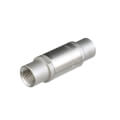
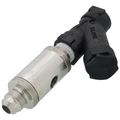
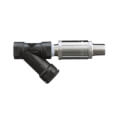
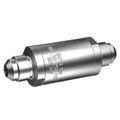
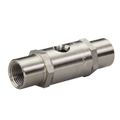

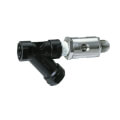
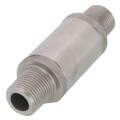
The Watts SD-3 dual check is a backflow prevention device installed on the water supply line feeding a carbonated beverage machine, keeping carbonated water or syrup from backing up into the potable water supply. Plumbers and beverage equipment technicians install this valve directly ahead of the machine's carbonator, where local plumbing codes require dual check protection on any connection to a soda fountain or carbonation system. The device uses two independent check valves in series, so if one check fails to seat, the second still stops backflow from reaching the building's water line. Restaurant, convenience store, and bar installations commonly need this exact valve because health codes for beverage equipment specifically call for dual check protection rather than a single check valve. Installing the correct valve at the point of connection keeps a beverage system compliant and protects the potable water supply it draws from.
Subcategories
- Standard SD-3 Check Valve Assemblies: Standard SD-3 dual check assemblies are the complete valve unit installed inline on the water feed to a carbonated beverage machine. Beverage equipment technicians install the full assembly on new installations or when replacing a valve that's failed a required inspection. The assembly includes both check modules in a single housing, so there's no need to source or align separate components. Technicians confirm the assembly's connection size and orientation match the existing supply line before installing it.
- Replacement Check Modules: Replacement check modules let a technician rebuild a valve that's failed pressure testing without replacing the entire housing. Beverage equipment servicers reach for these when only the internal check mechanism has worn out, not the housing or fittings around it. Swapping just the module costs less and takes less time than replacing the whole assembly. Testing the valve again after the swap confirms both checks are seating properly before returning the machine to service.
- Threaded Adapter Fittings: Threaded adapter fittings connect the SD-3 valve to supply lines that use a different thread size or connection type than the valve's standard ports. Plumbers working on older buildings or retrofitted beverage systems often need an adapter to make the valve fit existing plumbing without recutting the line. Matching the adapter's thread pitch exactly to both the valve and the supply line prevents a slow leak at the connection. Keeping a few common adapter sizes on the truck avoids a return trip on a retrofit job.
- Test Cock Accessories: Test cock accessories give an inspector or technician a dedicated point to check each valve's pressure differential without disconnecting the assembly. Health and plumbing inspectors typically require access to these test points during a scheduled backflow prevention inspection. Installing the test cocks at the time of the original valve installation saves a separate service call when the inspection date arrives. Keeping the test cocks accessible, rather than boxed in behind other equipment, speeds up every inspection after the first.
Buying Guide
Start by confirming the local health and plumbing code requirement for the installation, since most jurisdictions specifically call for dual check protection, not a single check valve, on any connection feeding a carbonated beverage machine. Skipping this step risks a failed inspection even after the equipment is fully installed.
Next, check the connection size and thread type on the existing supply line against the valve's standard ports. A Watts SD-3 Dual Check for Carbonated Beverage Machines installs most easily when the existing line matches its port size directly, though an adapter fitting closes the gap on older or retrofitted plumbing without recutting the line.
Also plan for the required test cocks at installation rather than adding them later. Most jurisdictions require accessible test points for the periodic backflow inspections these valves need, and building that access in from the start avoids reworking the installation before the first inspection.
Finally, decide whether the job needs a full valve assembly or just a replacement check module. A valve that's failed testing but still has a sound housing and fittings often only needs the internal check module replaced, which costs less and takes less labor time than swapping the entire unit.
Frequently Asked Questions
Why does a carbonated beverage machine need a dual check instead of a single check valve?
Most health and plumbing codes require dual check protection on these connections specifically because a single check valve failure would let carbonated water or syrup flow directly into the potable water supply. The second check valve in the SD-3 provides a backup if the first fails to seat.
How often does an SD-3 dual check need to be tested?
Testing frequency follows the local jurisdiction's backflow prevention inspection schedule, which is often annual for beverage equipment connections. Facility managers should confirm the exact requirement with the local health department or water authority, since schedules vary by location.
Can the SD-3 valve be repaired instead of replaced when it fails testing?
In many cases, yes. A replacement check module rebuilds the valve's internal check mechanism without requiring a new housing, as long as the housing and fittings themselves passed inspection.
What thread size does the SD-3 valve use?
The valve comes in standard port sizes designed to connect directly to typical beverage machine supply lines, though an adapter fitting bridges the gap when an existing line uses a different thread size or connection type. Confirming the exact port size against the installed supply line before ordering avoids a mismatched fitting.
Where should the SD-3 valve be installed relative to the beverage machine?
The valve installs on the water supply line ahead of the machine's carbonator, positioned so it's accessible for the periodic testing local code requires. Installing it in a location boxed in by other equipment makes routine inspections harder down the line.
