




Filters
SORT
Product Availability –
Size –
Inlet Type –
Outlet Type –
Max Pressure (PSI) –
Min Pressure (PSI) –
Review Score –
 --%3E %3Csvg version='1.1' id='Fill' xmlns='http://www.w3.org/2000/svg' xmlns:xlink='http://www.w3.org/1999/xlink' x='0px' y='0px' viewBox='0 0 100 100' enable-background='new 0 0 100 100' xml:space='preserve'%3E %3Cpath fill='%23F15C02' d='M79.44,0.95H20.56C9.78,0.95,0.95,9.78,0.95,20.56v58.87c0,10.79,8.82,19.61,19.61,19.61h58.87 c10.79,0,19.61-8.83,19.61-19.61V20.56C99.05,9.78,90.22,0.95,79.44,0.95z M65.38,58.24l9.38,29.58L49.69,69.78L24.5,87.82 l9.34-29.6L8.8,39.6l30.73-0.17c0,0,6.98-19.61,10-28.93c0.54,1.36,9.88,29.1,9.88,29.1H91.2L65.38,58.24z'/%3E %3C/svg%3E)
 --%3E %3Csvg version='1.1' id='With-RB' xmlns='http://www.w3.org/2000/svg' xmlns:xlink='http://www.w3.org/1999/xlink' x='0px' y='0px' viewBox='0 0 100 100' enable-background='new 0 0 100 100' xml:space='preserve'%3E %3Cpath fill='%23FBC8B4' d='M79.44,0.95H20.56C9.78,0.95,0.95,9.78,0.95,20.56v58.87c0,10.79,8.82,19.61,19.61,19.61h58.87 c10.79,0,19.61-8.83,19.61-19.61V20.56C99.05,9.78,90.22,0.95,79.44,0.95z M65.38,58.24l9.38,29.58L49.69,69.78L24.5,87.82 l9.34-29.6L8.8,39.6l30.73-0.17c0,0,6.98-19.61,10-28.93c0.54,1.36,9.88,29.1,9.88,29.1H91.2L65.38,58.24z'/%3E %3C/svg%3E)
Price Range –
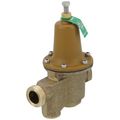
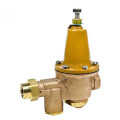
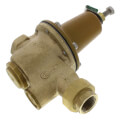
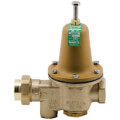
Watts U5B-Z3 Pressure Valves

 --%3E %3Csvg version='1.1' id='No-RB' xmlns='http://www.w3.org/2000/svg' xmlns:xlink='http://www.w3.org/1999/xlink' x='0px' y='0px' viewBox='0 0 100 100' enable-background='new 0 0 100 100' xml:space='preserve'%3E %3Cpath fill='%23CECECE' d='M79.44,0.95H20.56C9.78,0.95,0.95,9.78,0.95,20.56v58.87c0,10.79,8.82,19.61,19.61,19.61h58.87 c10.79,0,19.61-8.83,19.61-19.61V20.56C99.05,9.78,90.22,0.95,79.44,0.95z M65.38,58.24l9.38,29.58L49.69,69.78L24.5,87.82 l9.34-29.6L8.8,39.6l30.73-0.17c0,0,6.98-19.61,10-28.93c0.54,1.36,9.88,29.1,9.88,29.1H91.2L65.38,58.24z'/%3E %3C/svg%3E)



 --%3E %3Csvg version='1.1' id='Half' xmlns='http://www.w3.org/2000/svg' xmlns:xlink='http://www.w3.org/1999/xlink' x='0px' y='0px' viewBox='0 0 100 100' enable-background='new 0 0 100 100' xml:space='preserve'%3E %3Cg%3E %3Cpath fill='%23F15C02' d='M30.05,70.23l3.79-12.01L8.8,39.6l30.73-0.17c0,0,6.98-19.61,10-28.93c0.54,1.36,9.88,29.1,9.88,29.1h1.58 L93.71,7.18c-3.58-3.82-8.66-6.23-14.28-6.23H20.56C9.78,0.95,0.95,9.78,0.95,20.56v58.87c0,5.41,2.22,10.32,5.79,13.88 L30.05,70.23z'/%3E %3C/g%3E %3Cpath fill='%23FBC8B4' d='M93.71,7.18L60.98,39.6H91.2L65.38,58.24l9.38,29.58L49.69,69.78L24.5,87.82l5.55-17.59L6.75,93.32 c3.55,3.54,8.44,5.73,13.82,5.73h58.87c10.79,0,19.61-8.83,19.61-19.61V20.56C99.05,15.4,97.01,10.69,93.71,7.18z'/%3E %3C/svg%3E)

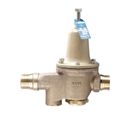

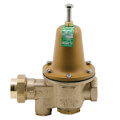
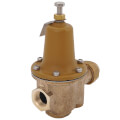
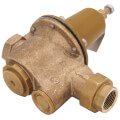
Watts U5B-Z3 pressure valves are water pressure reducing valves used in commercial, industrial, and residential plumbing systems to bring high incoming street pressure down to a safe, consistent level for a building's fixtures and appliances. The U5B-Z3 series has a maximum working pressure rating of 300 psi and an adjustable reduced-pressure range of 25 to 75 psi, with a standard factory setting of 50 psi. Construction includes a bronze body, an integral stainless steel strainer, and a replaceable seat module, with an optional thermal expansion bypass available for closed systems. Available in sizes from one-half inch through two inches, and in threaded, solder, or quick-connect end connections, the series covers most residential and light commercial pressure-reducing applications.
Subcategories
- Standard Bronze U5B-Z3 Valves: Standard bronze U5B-Z3 valves are the traditional choice for existing systems where lead-free requirements don't apply, built with a bronze body rated to 300 psi maximum working pressure. These valves reduce incoming pressure to an adjustable range of 25 to 75 psi, with a standard factory setting of 50 psi that covers most residential applications without adjustment. Sizes from one-half inch through two inches cover single-family service lines up through larger commercial mains.
- Lead-Free LFU5B-Z3 Valves: Lead-free LFU5B-Z3 valves meet current lead-content requirements for potable water applications while keeping the same pressure ratings and body configuration as the standard bronze series. Specifying the lead-free version is required on new installations and replacements in most jurisdictions that have adopted low-lead plumbing codes. The lead-free series is a direct functional replacement for the standard bronze valve in existing piping.
- Valves with Thermal Expansion Bypass: U5B-Z3 valves with an integral thermal expansion bypass allow water to flow backward through the valve when a closed system's pressure rises from heated water expansion, protecting fixtures and the water heater from excess pressure. Bypass-equipped valves are commonly specified on jobs with a check valve or backflow preventer already installed upstream, since that combination creates the closed system the bypass is designed to relieve. Confirming whether a thermal expansion tank is also required by local code is worth doing alongside a bypass valve installation.
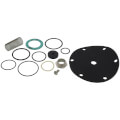
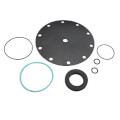
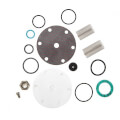
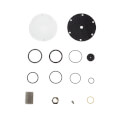
- Strainers & Seat Module Repair Kits: The integral stainless steel strainer catches sediment and debris before it reaches the replaceable seat module, and a valve that's losing pressure control often just needs the strainer cleaned or the seat module replaced rather than a full valve swap. Seat module kits are sized to match the valve body size and let a technician restore factory performance without removing the valve from the line. Checking the strainer first on a service call for erratic downstream pressure is a quick, low-cost diagnostic step.
Buying Guide
Selecting a Watts U5B-Z3 valve starts with confirming incoming static pressure and the desired downstream setting, since the valve's adjustable range covers 25 to 75 psi with a factory default of 50 psi that suits most residential jobs without further adjustment. Watts U5B-Z3 Pressure Valves are rated to a maximum working pressure of 300 psi, well above typical municipal supply pressure, so the limiting factor is usually pipe size and connection type rather than pressure rating. Choosing between the standard bronze body and the lead-free LFU5B-Z3 version depends on local plumbing code requirements for potable water systems, and most new installations and replacements now call for the lead-free version regardless of what was originally installed. Connection type, threaded, solder, or quick-connect, should match the existing piping method on a replacement job to avoid an unplanned transition fitting. Adding the thermal expansion bypass option is worth considering any time a check valve or backflow preventer creates a closed system downstream, since without a bypass or expansion tank, thermal expansion can push pressure well above the valve's set point on the building side. Operating temperature for the series runs from thirty-three to one hundred sixty degrees Fahrenheit, which covers standard cold and hot water service but is worth confirming against any unusual application before specifying. Keeping a spare strainer and seat module kit on hand for common sizes covers most in-field maintenance without requiring a full valve replacement.
Frequently Asked Questions
What is the adjustable pressure range on a Watts U5B-Z3 valve?
The U5B-Z3 series adjusts downstream pressure across a range of 25 to 75 psi, with a standard factory setting of 50 psi that works for most residential applications without changing the adjustment. The valve's maximum working pressure rating is 300 psi.
When is the lead-free LFU5B-Z3 version required instead of the standard bronze valve?
Most jurisdictions that have adopted low-lead plumbing codes require the lead-free LFU5B-Z3 version on new installations and replacements in potable water systems. The lead-free version shares the same pressure ratings and body configuration as the standard bronze valve.
Why would a U5B-Z3 valve need a thermal expansion bypass?
A thermal expansion bypass is needed whenever a check valve or backflow preventer upstream creates a closed plumbing system, since heated water expansion in a closed system can raise pressure well above the valve's set point without anywhere for that pressure to go. The bypass allows water to flow backward through the valve to relieve that excess pressure.
What's the first thing to check if a U5B-Z3 valve isn't holding a consistent downstream pressure?
The integral stainless steel strainer is worth checking first, since sediment buildup there can restrict flow and cause erratic downstream pressure even when the valve mechanism itself is fine. If the strainer is clean and the problem persists, the seat module is the next likely component to inspect or replace.
What connection types are available for the U5B-Z3 series?
The U5B-Z3 series is available with threaded, solder, or quick-connect end connections across its size range of one-half inch through two inches. Matching connection type to the existing piping avoids needing an extra transition fitting on a replacement job.
