



Filters
SORT
Product Availability –
Used With –
Review Score –
 --%3E %3Csvg version='1.1' id='Fill' xmlns='http://www.w3.org/2000/svg' xmlns:xlink='http://www.w3.org/1999/xlink' x='0px' y='0px' viewBox='0 0 100 100' enable-background='new 0 0 100 100' xml:space='preserve'%3E %3Cpath fill='%23F15C02' d='M79.44,0.95H20.56C9.78,0.95,0.95,9.78,0.95,20.56v58.87c0,10.79,8.82,19.61,19.61,19.61h58.87 c10.79,0,19.61-8.83,19.61-19.61V20.56C99.05,9.78,90.22,0.95,79.44,0.95z M65.38,58.24l9.38,29.58L49.69,69.78L24.5,87.82 l9.34-29.6L8.8,39.6l30.73-0.17c0,0,6.98-19.61,10-28.93c0.54,1.36,9.88,29.1,9.88,29.1H91.2L65.38,58.24z'/%3E %3C/svg%3E)
 --%3E %3Csvg version='1.1' id='With-RB' xmlns='http://www.w3.org/2000/svg' xmlns:xlink='http://www.w3.org/1999/xlink' x='0px' y='0px' viewBox='0 0 100 100' enable-background='new 0 0 100 100' xml:space='preserve'%3E %3Cpath fill='%23FBC8B4' d='M79.44,0.95H20.56C9.78,0.95,0.95,9.78,0.95,20.56v58.87c0,10.79,8.82,19.61,19.61,19.61h58.87 c10.79,0,19.61-8.83,19.61-19.61V20.56C99.05,9.78,90.22,0.95,79.44,0.95z M65.38,58.24l9.38,29.58L49.69,69.78L24.5,87.82 l9.34-29.6L8.8,39.6l30.73-0.17c0,0,6.98-19.61,10-28.93c0.54,1.36,9.88,29.1,9.88,29.1H91.2L65.38,58.24z'/%3E %3C/svg%3E)
Price Range –
Weil McLain CG Boiler Parts





 --%3E %3Csvg version='1.1' id='Half' xmlns='http://www.w3.org/2000/svg' xmlns:xlink='http://www.w3.org/1999/xlink' x='0px' y='0px' viewBox='0 0 100 100' enable-background='new 0 0 100 100' xml:space='preserve'%3E %3Cg%3E %3Cpath fill='%23F15C02' d='M30.05,70.23l3.79-12.01L8.8,39.6l30.73-0.17c0,0,6.98-19.61,10-28.93c0.54,1.36,9.88,29.1,9.88,29.1h1.58 L93.71,7.18c-3.58-3.82-8.66-6.23-14.28-6.23H20.56C9.78,0.95,0.95,9.78,0.95,20.56v58.87c0,5.41,2.22,10.32,5.79,13.88 L30.05,70.23z'/%3E %3C/g%3E %3Cpath fill='%23FBC8B4' d='M93.71,7.18L60.98,39.6H91.2L65.38,58.24l9.38,29.58L49.69,69.78L24.5,87.82l5.55-17.59L6.75,93.32 c3.55,3.54,8.44,5.73,13.82,5.73h58.87c10.79,0,19.61-8.83,19.61-19.61V20.56C99.05,15.4,97.01,10.69,93.71,7.18z'/%3E %3C/svg%3E)





 --%3E %3Csvg version='1.1' id='No-RB' xmlns='http://www.w3.org/2000/svg' xmlns:xlink='http://www.w3.org/1999/xlink' x='0px' y='0px' viewBox='0 0 100 100' enable-background='new 0 0 100 100' xml:space='preserve'%3E %3Cpath fill='%23CECECE' d='M79.44,0.95H20.56C9.78,0.95,0.95,9.78,0.95,20.56v58.87c0,10.79,8.82,19.61,19.61,19.61h58.87 c10.79,0,19.61-8.83,19.61-19.61V20.56C99.05,9.78,90.22,0.95,79.44,0.95z M65.38,58.24l9.38,29.58L49.69,69.78L24.5,87.82 l9.34-29.6L8.8,39.6l30.73-0.17c0,0,6.98-19.61,10-28.93c0.54,1.36,9.88,29.1,9.88,29.1H91.2L65.38,58.24z'/%3E %3C/svg%3E)

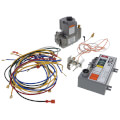
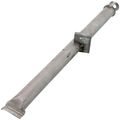
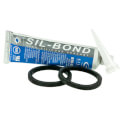
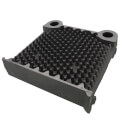
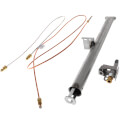
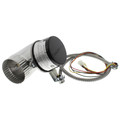
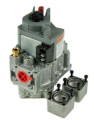

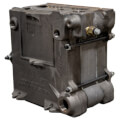
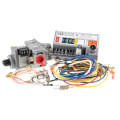
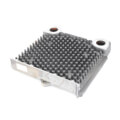
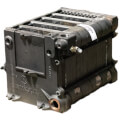

Weil McLain CG boiler parts are replacement components built for the CG series cast iron gas boiler line, a mainstay in residential and light commercial hydronic and steam heating systems for decades. The CG series uses sectional cast iron heat exchangers, so parts availability matters more here than with many modern boilers, since a homeowner or property manager will often keep an older CG unit running rather than replace a heavy cast iron system that still holds up structurally. Common replacement needs include gas valves, ignition and control modules, circulator components, relief valves, and gaskets that wear out well before the iron block itself fails. Because Weil McLain revised the CG line across several sub-models over its production run, matching a part to the exact boiler generation is often the deciding factor in a successful repair.
Subcategories
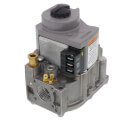
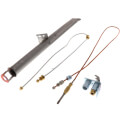
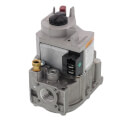
- Gas Valves and Ignition Controls: Gas valves and ignition controls regulate fuel delivery and manage the pilot or electronic ignition sequence on a CG boiler. A failing gas valve is one of the more common reasons a CG unit won't fire reliably, especially on older standing-pilot models. Replacement controls typically need to match the specific ignition type, whether standing pilot, intermittent pilot, or direct spark, since the modules aren't interchangeable across ignition styles. Technicians should confirm gas type, natural gas or propane, before ordering since valves are calibrated differently for each.
- Circulator Parts: Circulator parts keep hot water or steam moving through the distribution system and include impellers, seals, and motor cartridges for the pump attached to the boiler. A worn seal is a frequent source of the slow leaks technicians find at the pump housing during a service call. Replacement cartridges are typically sized to the specific circulator model bolted to the CG unit rather than the boiler series itself. Keeping a spare cartridge on the truck for common models can turn an otherwise multi-day repair into a same-visit fix.
- Relief Valves and Safety Controls: Relief valves and safety controls protect the CG boiler from overpressure and overtemperature conditions, and they're one of the few parts on this list that most jurisdictions require to be tested or replaced on a set schedule. A relief valve that weeps or won't reseat after testing should be swapped rather than repaired. Limit controls and low-water cutoffs fall in this same group and are critical safety components on any steam-based CG installation. These parts should always match the pressure or temperature rating stamped on the original boiler data plate.
- Gaskets and Seals: Gaskets and seals are consumable parts that fail from age and thermal cycling long before the cast iron sections themselves wear out. Section gaskets in particular require careful selection since a mismatch can cause a leak between iron sections that's difficult to access once the boiler is reassembled. Door and burner gaskets see more frequent replacement since they're exposed to combustion heat every heating cycle. Stocking common gasket kits by boiler size saves a return trip on many routine service calls.
Buying Guide
The starting point for any CG boiler parts order is the boiler's own data plate, which lists the model number, input rating, and often a serial number that pins down the exact production era. Because the CG series went through multiple revisions, a part that fits a later CG boiler may not fit an early one even though the exterior looks similar, so cross-referencing the model number against the manufacturer's parts list is worth the extra few minutes before placing an order.
Fuel type is another point worth confirming twice. Gas valves, orifices, and ignition components are calibrated for either natural gas or propane, and installing the wrong type creates a combustion problem rather than a simple fit issue. If the boiler has been converted from one fuel to another at some point in its service life, checking the current burner setup against the original nameplate rating avoids ordering the wrong part.
For safety-related components on Weil McLain CG boiler parts orders, such as relief valves, low-water cutoffs, and limit controls, match the pressure or temperature rating exactly rather than substituting a close equivalent. These parts are inspected or tested on a schedule in many jurisdictions, and a mismatched rating can fail an inspection even if the part physically bolts into place. When in doubt on any part number, checking the boiler's original installation manual alongside the current parts breakdown resolves most fit questions before a truck roll.
Frequently Asked Questions
How do I identify which CG sub-model I'm working on?
Check the data plate mounted on the boiler jacket for the model number and serial number, then cross-reference both against the manufacturer's parts documentation for that production era. The CG series changed enough between revisions that a visually similar boiler can need a different part number. When the data plate is missing or unreadable, the section count and burner assembly style can help narrow down the sub-model.
Can a newer gas valve be installed on an older CG boiler?
Sometimes, but only if the valve is rated for the same gas type, inlet pressure, and ignition style as the original. A direct-spark valve generally cannot substitute for a standing-pilot valve without also changing the ignition control, so check the full ignition system rather than just the valve in isolation. When compatibility is unclear, matching the original manufacturer part number is the safer route.
What's the most common reason a CG boiler won't hold pressure?
A failing relief valve, a worn circulator seal, or a leaking section gasket are the usual suspects behind a pressure drop on a CG system. Isolating which component is losing pressure, rather than replacing all three at once, saves both parts cost and labor time. A pressure test with the system isolated section by section usually narrows it down quickly.
Are Weil McLain CG boiler parts still being manufactured?
Many core parts, including gaskets, gas valves, and circulator components, remain available since the CG series stayed in service for a long production run and many units are still active in the field. Some older or less common parts may need to be sourced through specialty suppliers rather than standard distribution. Confirming current availability before quoting a repair timeline to a customer avoids delays on an active job.
Is it worth repairing an old CG boiler instead of replacing it?
Cast iron sections on the CG line are durable and often outlast newer, lighter-gauge boilers, so a repair frequently makes sense if the block itself is sound and the failure is limited to a control, valve, or gasket. If multiple sections show signs of leaking or the boiler has had repeated safety control failures, that's usually a signal to discuss replacement with the property owner instead of continuing to chase individual part failures.
