




Filters
SORT
Product Availability –
Max Flow (GPM) –
Max Head (Ft) –
Voltage –
Horse Power –
Review Score –
 --%3E %3Csvg version='1.1' id='Fill' xmlns='http://www.w3.org/2000/svg' xmlns:xlink='http://www.w3.org/1999/xlink' x='0px' y='0px' viewBox='0 0 100 100' enable-background='new 0 0 100 100' xml:space='preserve'%3E %3Cpath fill='%23F15C02' d='M79.44,0.95H20.56C9.78,0.95,0.95,9.78,0.95,20.56v58.87c0,10.79,8.82,19.61,19.61,19.61h58.87 c10.79,0,19.61-8.83,19.61-19.61V20.56C99.05,9.78,90.22,0.95,79.44,0.95z M65.38,58.24l9.38,29.58L49.69,69.78L24.5,87.82 l9.34-29.6L8.8,39.6l30.73-0.17c0,0,6.98-19.61,10-28.93c0.54,1.36,9.88,29.1,9.88,29.1H91.2L65.38,58.24z'/%3E %3C/svg%3E)
 --%3E %3Csvg version='1.1' id='With-RB' xmlns='http://www.w3.org/2000/svg' xmlns:xlink='http://www.w3.org/1999/xlink' x='0px' y='0px' viewBox='0 0 100 100' enable-background='new 0 0 100 100' xml:space='preserve'%3E %3Cpath fill='%23FBC8B4' d='M79.44,0.95H20.56C9.78,0.95,0.95,9.78,0.95,20.56v58.87c0,10.79,8.82,19.61,19.61,19.61h58.87 c10.79,0,19.61-8.83,19.61-19.61V20.56C99.05,9.78,90.22,0.95,79.44,0.95z M65.38,58.24l9.38,29.58L49.69,69.78L24.5,87.82 l9.34-29.6L8.8,39.6l30.73-0.17c0,0,6.98-19.61,10-28.93c0.54,1.36,9.88,29.1,9.88,29.1H91.2L65.38,58.24z'/%3E %3C/svg%3E)
Price Range –
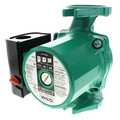
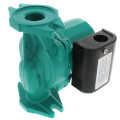
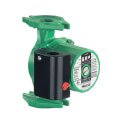
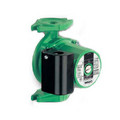
Wilo Cast Iron Circulator Pumps

 --%3E %3Csvg version='1.1' id='Half' xmlns='http://www.w3.org/2000/svg' xmlns:xlink='http://www.w3.org/1999/xlink' x='0px' y='0px' viewBox='0 0 100 100' enable-background='new 0 0 100 100' xml:space='preserve'%3E %3Cg%3E %3Cpath fill='%23F15C02' d='M30.05,70.23l3.79-12.01L8.8,39.6l30.73-0.17c0,0,6.98-19.61,10-28.93c0.54,1.36,9.88,29.1,9.88,29.1h1.58 L93.71,7.18c-3.58-3.82-8.66-6.23-14.28-6.23H20.56C9.78,0.95,0.95,9.78,0.95,20.56v58.87c0,5.41,2.22,10.32,5.79,13.88 L30.05,70.23z'/%3E %3C/g%3E %3Cpath fill='%23FBC8B4' d='M93.71,7.18L60.98,39.6H91.2L65.38,58.24l9.38,29.58L49.69,69.78L24.5,87.82l5.55-17.59L6.75,93.32 c3.55,3.54,8.44,5.73,13.82,5.73h58.87c10.79,0,19.61-8.83,19.61-19.61V20.56C99.05,15.4,97.01,10.69,93.71,7.18z'/%3E %3C/svg%3E)


 --%3E %3Csvg version='1.1' id='No-RB' xmlns='http://www.w3.org/2000/svg' xmlns:xlink='http://www.w3.org/1999/xlink' x='0px' y='0px' viewBox='0 0 100 100' enable-background='new 0 0 100 100' xml:space='preserve'%3E %3Cpath fill='%23CECECE' d='M79.44,0.95H20.56C9.78,0.95,0.95,9.78,0.95,20.56v58.87c0,10.79,8.82,19.61,19.61,19.61h58.87 c10.79,0,19.61-8.83,19.61-19.61V20.56C99.05,9.78,90.22,0.95,79.44,0.95z M65.38,58.24l9.38,29.58L49.69,69.78L24.5,87.82 l9.34-29.6L8.8,39.6l30.73-0.17c0,0,6.98-19.61,10-28.93c0.54,1.36,9.88,29.1,9.88,29.1H91.2L65.38,58.24z'/%3E %3C/svg%3E)
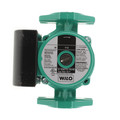

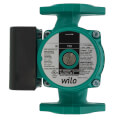



Wilo Cast Iron Circulator Pumps are hydronic circulators built with a cast iron body for closed loop heating systems where the water never mixes with outside air or fresh makeup water. Cast iron construction costs less than bronze or stainless steel alternatives, but it corrodes when exposed to oxygen, which limits these pumps to sealed systems such as radiant floor heating, baseboard loops, and boiler circulation rather than open or potable water applications. A circulator's job is to keep heated water moving continuously through the piping loop so every zone reaches its set temperature evenly rather than relying on gravity flow. Wilo's circulator line includes both fixed speed models for straightforward single zone systems and variable speed models that adjust output to match real time heating demand, which can reduce electricity use compared with a pump that runs at full speed continuously. Matching pump head and flow capacity to the total length and resistance of a piping loop keeps a heating system running efficiently without a pump working harder than the system actually requires.
Subcategories
- Fixed Speed Circulators: Fixed speed circulators run at a single constant output regardless of heating demand, which suits smaller single zone systems where flow requirements don't change much over the course of a heating season. They cost less upfront than a variable speed model and have fewer electronic components to fail. Sizing a fixed speed circulator correctly matters more than with a variable speed unit, since there's no onboard adjustment to compensate for an oversized or undersized selection. Many residential boiler installations use a fixed speed circulator for this reason.
- Variable Speed Circulators: Variable speed circulators adjust their output automatically based on real time system demand, typically sensing differential pressure across the loop to ramp speed up or down. Adjusting output automatically like this can lower electricity consumption compared with a fixed speed pump running continuously at full output, particularly in multi zone systems where demand varies throughout the day. They also tend to run quieter at partial load than a fixed speed pump running at full speed. Larger commercial hydronic systems commonly specify variable speed circulators for this flexibility.
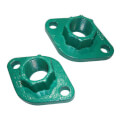
- Circulator Pump Flanges and Fittings: Flanges and companion fittings connect a circulator pump to the piping loop and allow the pump to be removed for service without draining or cutting into the surrounding pipe. Isolation flanges with built in ball valves let a technician shut off flow on both sides of the pump before removal, which speeds up routine maintenance. Matching flange size and bolt pattern to the specific pump model keeps the connection watertight under system pressure. Many installers keep spare flange gaskets on hand since they're a common wear item during pump swaps.
- Circulator Pump Motors and Cartridges: Replacement motor cartridges let a technician rebuild a worn circulator without replacing the entire pump housing, since the wet rotor cartridge is typically the component that wears from continuous operation. Swapping a cartridge is usually faster and less expensive than installing a full new pump, provided the existing housing and flanges are still in good condition. Cartridge compatibility is specific to the pump model and series, so confirming the exact match before ordering avoids a wasted trip. Keeping a spare cartridge on a service truck can turn an emergency heating system repair into a same day fix.
Buying Guide
Choosing a Wilo Cast Iron Circulator Pump starts with confirming the system is fully closed loop, since cast iron construction corrodes when exposed to the oxygen that enters an open or frequently refilled system, unlike bronze or stainless steel pumps built for that exposure. Pump sizing comes down to matching head and flow capacity to the specific piping loop, accounting for pipe length, fitting count, and any zone valves or heat exchangers that add resistance, since an undersized pump struggles to circulate water through the far end of a loop while an oversized pump wastes electricity and can create excess noise or wear. Fixed speed models suit smaller single zone systems with fairly constant demand and cost less upfront, while variable speed models fit multi zone systems better by adjusting output to match real time demand, often lowering electricity use over a heating season. Flange type and bolt pattern need to match the existing piping or the pump chosen for a new installation, and isolation flanges with integrated ball valves make future service faster by letting a technician remove the pump without draining the loop. Checking whether replacement motor cartridges remain available for a given model is worth doing before purchase, since a rebuildable pump typically costs less to maintain over its service life than one that requires full replacement once the motor wears out.
Frequently Asked Questions
Why are Wilo circulator pumps made with cast iron instead of bronze?
Cast iron costs less than bronze or stainless steel, which keeps these circulators competitively priced for closed loop heating systems where the body material never contacts oxygen or fresh makeup water. Bronze and stainless steel pumps are built for systems with more oxygen exposure, such as open loop or potable water applications, where cast iron would corrode. Confirming a system is truly closed loop before installing a cast iron circulator prevents premature corrosion and pump failure.
What's the difference between a fixed speed and variable speed circulator?
A fixed speed circulator runs at one constant output regardless of heating demand, which works well for smaller single zone systems with fairly steady flow requirements. A variable speed circulator adjusts its output automatically based on real time demand, typically by sensing differential pressure across the loop, which can reduce electricity use in systems where demand varies throughout the day. Multi zone systems generally benefit more from a variable speed pump than a single zone system does.
Can a circulator pump be serviced without draining the whole heating loop?
Yes, when the pump is installed with isolation flanges that include built in ball valves, a technician can shut off flow on both sides of the pump and remove it for service without draining the surrounding piping. Without isolation flanges, removing the pump typically requires draining at least that section of the loop. Installing isolation flanges during the original installation makes future maintenance considerably faster.
How do I know if a circulator pump is undersized for a heating system?
Signs of an undersized circulator include rooms or zones farthest from the boiler heating slower or less evenly than zones closer to the pump, since the pump can't push enough flow through the full length and resistance of the piping loop. Calculating total pipe length, fitting count, and any added resistance from zone valves or heat exchangers helps confirm whether the installed pump matches the system's actual head and flow requirements. A plumbing or heating professional can recalculate these figures if performance seems off after installation.
Are replacement parts available for older Wilo cast iron circulator models?
Availability varies by model and how long ago it was discontinued, but many Wilo circulators use a modular design where the motor cartridge can be replaced without swapping the full pump housing. Checking part compatibility against the specific model and series printed on the pump nameplate is the most reliable way to confirm what's still available. Keeping that model information on hand speeds up ordering the correct replacement cartridge or flange gasket.
