


'/%3E%3C/svg%3E)
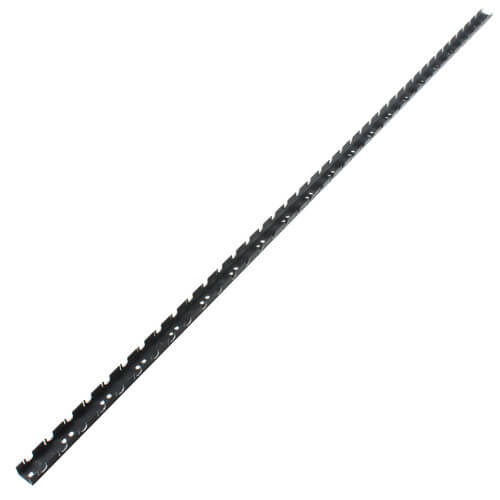
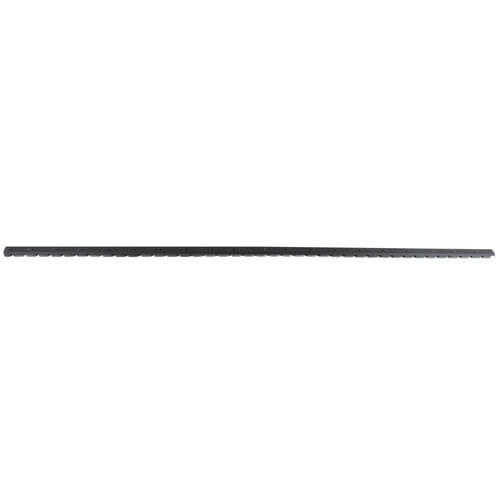
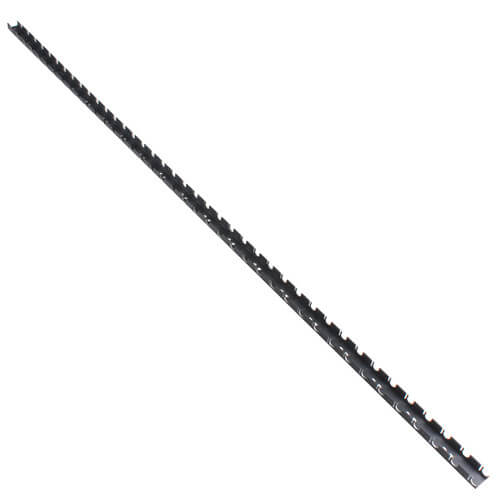
1/2" PEX Rail, 6.5 ft.
 --%3E %3Csvg version='1.1' id='Fill' xmlns='http://www.w3.org/2000/svg' xmlns:xlink='http://www.w3.org/1999/xlink' x='0px' y='0px' viewBox='0 0 100 100' enable-background='new 0 0 100 100' xml:space='preserve'%3E %3Cpath fill='%23F15C02' d='M79.44,0.95H20.56C9.78,0.95,0.95,9.78,0.95,20.56v58.87c0,10.79,8.82,19.61,19.61,19.61h58.87 c10.79,0,19.61-8.83,19.61-19.61V20.56C99.05,9.78,90.22,0.95,79.44,0.95z M65.38,58.24l9.38,29.58L49.69,69.78L24.5,87.82 l9.34-29.6L8.8,39.6l30.73-0.17c0,0,6.98-19.61,10-28.93c0.54,1.36,9.88,29.1,9.88,29.1H91.2L65.38,58.24z'/%3E %3C/svg%3E)
 --%3E %3Csvg version='1.1' id='Half' xmlns='http://www.w3.org/2000/svg' xmlns:xlink='http://www.w3.org/1999/xlink' x='0px' y='0px' viewBox='0 0 100 100' enable-background='new 0 0 100 100' xml:space='preserve'%3E %3Cg%3E %3Cpath fill='%23F15C02' d='M30.05,70.23l3.79-12.01L8.8,39.6l30.73-0.17c0,0,6.98-19.61,10-28.93c0.54,1.36,9.88,29.1,9.88,29.1h1.58 L93.71,7.18c-3.58-3.82-8.66-6.23-14.28-6.23H20.56C9.78,0.95,0.95,9.78,0.95,20.56v58.87c0,5.41,2.22,10.32,5.79,13.88 L30.05,70.23z'/%3E %3C/g%3E %3Cpath fill='%23FBC8B4' d='M93.71,7.18L60.98,39.6H91.2L65.38,58.24l9.38,29.58L49.69,69.78L24.5,87.82l5.55-17.59L6.75,93.32 c3.55,3.54,8.44,5.73,13.82,5.73h58.87c10.79,0,19.61-8.83,19.61-19.61V20.56C99.05,15.4,97.01,10.69,93.71,7.18z'/%3E %3C/svg%3E)


MANUALS (1)
Product Highlights


Description
Note: Suitable fastening hardware is required (not included).
To determine how many PEX Rails you may need for specific square footage, use the formula: Square Footage Required / 19.5
Specs
| Length (Feet): | 6.5' |
|---|---|
| Application: | 1/2" PEX |
| Material: | Plastic |
| Warranty: | 2 Year |
| Tubing Compatibility: | PEX |


Questions?
You May Also Need
Product Reviews
Lol, the solid goes on top of the PEX!
Best method for laying PEX
 --%3E %3Csvg version='1.1' id='With-RB' xmlns='http://www.w3.org/2000/svg' xmlns:xlink='http://www.w3.org/1999/xlink' x='0px' y='0px' viewBox='0 0 100 100' enable-background='new 0 0 100 100' xml:space='preserve'%3E %3Cpath fill='%23FBC8B4' d='M79.44,0.95H20.56C9.78,0.95,0.95,9.78,0.95,20.56v58.87c0,10.79,8.82,19.61,19.61,19.61h58.87 c10.79,0,19.61-8.83,19.61-19.61V20.56C99.05,9.78,90.22,0.95,79.44,0.95z M65.38,58.24l9.38,29.58L49.69,69.78L24.5,87.82 l9.34-29.6L8.8,39.6l30.73-0.17c0,0,6.98-19.61,10-28.93c0.54,1.36,9.88,29.1,9.88,29.1H91.2L65.38,58.24z'/%3E %3C/svg%3E)
Gets the job done but could use some improvement
Makes for clean work!
Nice product
Overall worked great
Special case worked great
Quality Stuff
Great product, great price,[...]
Product Q&A
5 QuestionsQ: What is the height / Thickness with 1/2 tube installed?
Asked by Dave 10 years ago
Add your answer
Verified Reply- SupplyHouse StaffTotal height is 1".
Q: Do you need to put insulation on top of the 1st. slab before putting down the rails to hold the tubing?
Asked by farmer 14 years ago
Add your answer
Yes, it is best if you put down a thin radiant insulation (about 3/8 inch thick, like bubble plastic with an aluminum foil reflective coating). Otherwise, the floor or slab beneath will absorb all of the heat. On top of the insulation, you should put something like 1 inch metal mesh to support the concrete. I'd recommend an 8 inch spacing between tubing, as I can feel a cold spot between the 12 inch spacing I have.
Depends on your specific application. Insulation is always a good idea if space and loads allow Chris
Insulation depends on many factors. If the project is residential with a thin overpour and slab on grade construction I prefer to use at least 1" high density foamboard on top of an existing slab. The overpour should have fiber in it for strength or if surfacing it with tile use a membrane between the finish floor surface and the tile to prevent telescoping of any floor cracks through the tile surface. On the other hand if the floor is intended to support heavy equipment and high loads such as equipment jacks etc. you need all the support possible and it is likely best that the clip rails be attached directly to the old concrete surface. We will use either Ram-set anchors with washers to prevent the "sets" from tearing through the plastic clip rails or drill and attach them with tap-con type anchors. The method all depends on how neat the work needs to be and what works best for the application. If an equipment building were new construction the insulation board would be on top of the compacted gravel base and the slab could have mesh or re-bar for extra strength. For ease of installation we like to use a product called Crete-heat insulated panels into which we walk our tubes to create the floor heat pattern. Wire mesh or fiber filled concrete can go on top of the tube and panels and then provides plenty of strength for heavy point loads. As for the concrete it is best if you can specify a mix with a 5" slump for the best water to cement ration and highest strength. A mix which settles more than 5 inches when the slump cone is removed has more water and will be subject to shrinkage cracking as it dries and will have overall lower strength. Not everyone is aware of this relationship between water content and slump but the concrete guys are very familiar and when possible they will unfortunately try to add more water to make the concrete more flowable and workable for a longer period of time. A wet mix makes their job easier but the end result is a floor with shrinkage cracks and lower strength. I suspect you will be monitoring the pour so request you witness the slump test with each truck they pour and make certain that they let the plant operator know you are requesting a 5" slump test. Concrete is a science and hot weather will cause it to set more quickly. Some plants will add Ice to the mix to help cool the concrete and extend its working time. Perhaps this is too much information but thought it might be of some benefit if this is a critical pour for a high strength farm maintenance building.
Q: how far apart would each row of pex rail be mounted to keep tubing in place
Asked by Mike 15 years ago
Add your answer
Verified Reply- PexSupply StaffEach PEX rail should be mounted 18"-24" apart.
Q: HOW MANY SLOTS PER RAIL
Asked by 15 years ago
Add your answer
Verified Reply- PexSupply StaffEach rail measures 6 1/2" long and is 2" on center, with 39 slots for PEX to snap into per rail.
Q: DO THESE TRACKS GET SHOT DOWN WITH HILTI FASTENERS
Asked by STEVE 15 years ago
Add your answer
Verified Reply- PexSupply StaffYes, you can do that.