




Filters
SORT
Product Availability –
Brand –
Volume (Fluid) –
Review Score –
 --%3E %3Csvg version='1.1' id='Fill' xmlns='http://www.w3.org/2000/svg' xmlns:xlink='http://www.w3.org/1999/xlink' x='0px' y='0px' viewBox='0 0 100 100' enable-background='new 0 0 100 100' xml:space='preserve'%3E %3Cpath fill='%23F15C02' d='M79.44,0.95H20.56C9.78,0.95,0.95,9.78,0.95,20.56v58.87c0,10.79,8.82,19.61,19.61,19.61h58.87 c10.79,0,19.61-8.83,19.61-19.61V20.56C99.05,9.78,90.22,0.95,79.44,0.95z M65.38,58.24l9.38,29.58L49.69,69.78L24.5,87.82 l9.34-29.6L8.8,39.6l30.73-0.17c0,0,6.98-19.61,10-28.93c0.54,1.36,9.88,29.1,9.88,29.1H91.2L65.38,58.24z'/%3E %3C/svg%3E)
Price Range –
Anti-Freeze


 --%3E %3Csvg version='1.1' id='Half' xmlns='http://www.w3.org/2000/svg' xmlns:xlink='http://www.w3.org/1999/xlink' x='0px' y='0px' viewBox='0 0 100 100' enable-background='new 0 0 100 100' xml:space='preserve'%3E %3Cg%3E %3Cpath fill='%23F15C02' d='M30.05,70.23l3.79-12.01L8.8,39.6l30.73-0.17c0,0,6.98-19.61,10-28.93c0.54,1.36,9.88,29.1,9.88,29.1h1.58 L93.71,7.18c-3.58-3.82-8.66-6.23-14.28-6.23H20.56C9.78,0.95,0.95,9.78,0.95,20.56v58.87c0,5.41,2.22,10.32,5.79,13.88 L30.05,70.23z'/%3E %3C/g%3E %3Cpath fill='%23FBC8B4' d='M93.71,7.18L60.98,39.6H91.2L65.38,58.24l9.38,29.58L49.69,69.78L24.5,87.82l5.55-17.59L6.75,93.32 c3.55,3.54,8.44,5.73,13.82,5.73h58.87c10.79,0,19.61-8.83,19.61-19.61V20.56C99.05,15.4,97.01,10.69,93.71,7.18z'/%3E %3C/svg%3E)
 --%3E %3Csvg version='1.1' id='No-RB' xmlns='http://www.w3.org/2000/svg' xmlns:xlink='http://www.w3.org/1999/xlink' x='0px' y='0px' viewBox='0 0 100 100' enable-background='new 0 0 100 100' xml:space='preserve'%3E %3Cpath fill='%23CECECE' d='M79.44,0.95H20.56C9.78,0.95,0.95,9.78,0.95,20.56v58.87c0,10.79,8.82,19.61,19.61,19.61h58.87 c10.79,0,19.61-8.83,19.61-19.61V20.56C99.05,9.78,90.22,0.95,79.44,0.95z M65.38,58.24l9.38,29.58L49.69,69.78L24.5,87.82 l9.34-29.6L8.8,39.6l30.73-0.17c0,0,6.98-19.61,10-28.93c0.54,1.36,9.88,29.1,9.88,29.1H91.2L65.38,58.24z'/%3E %3C/svg%3E)

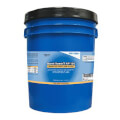
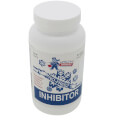
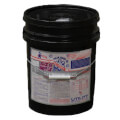
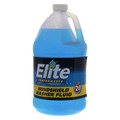
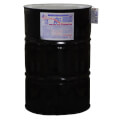
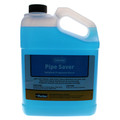
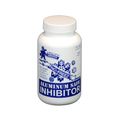
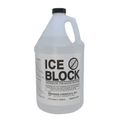
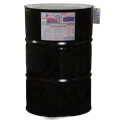

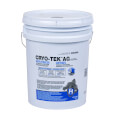
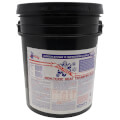
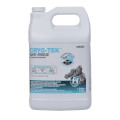
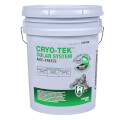
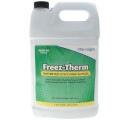
Anti-Freeze products used in HVAC and plumbing applications protect hydronic heating systems, snowmelt loops, and other water-based equipment from freeze damage when temperatures drop below freezing. Mixed into the system's fluid at the correct concentration, it lowers the freezing point of the water circulating through pipes, coils, and heat exchangers so a cold snap or an unheated space doesn't crack components or burst lines.
Choosing the right type and concentration matters because different systems have different material compatibility and freeze protection needs, and using the wrong product or an insufficient concentration can leave a system vulnerable to freeze damage or cause compatibility issues with system components. Trade professionals rely on properly formulated anti-freeze to protect systems left idle or exposed to cold during construction, seasonal shutdowns, or in unconditioned spaces.
Subcategories
- Propylene Glycol Anti-Freeze: Propylene glycol anti-freeze is the more common choice for hydronic systems because of its lower toxicity, making it suitable for applications where an accidental leak or contact poses less of a concern than with other glycol types.
- Ethylene Glycol Anti-Freeze: Ethylene glycol anti-freeze offers strong freeze protection but carries higher toxicity, so it's typically reserved for closed systems where there's no risk of contact with potable water or living spaces.
- Concentrates and Pre-Mixed Solutions: Concentrates let a technician adjust the freeze protection level to match specific site conditions, while pre-mixed solutions offer a ready-to-use option for standard applications without the need for on-site dilution.
Buying Guide
Determine the required freeze protection temperature for the application first, since Anti-Freeze needs to be mixed to a concentration that matches the lowest temperature the system is likely to encounter.
Choose between propylene glycol and ethylene glycol based on toxicity requirements, since applications with any potential for contact with potable water or occupied spaces generally call for the lower-toxicity propylene glycol option.
Check material compatibility with the system's components, including seals, gaskets, and metals, since some glycol formulations can affect certain materials differently over time.
Decide between a concentrate and a pre-mixed solution based on the job, using a concentrate when precise on-site dilution is needed and a pre-mixed solution when a standard, ready-to-use protection level is sufficient.
Frequently Asked Questions
Why does a hydronic system need anti-freeze protection?
Anti-freeze lowers the freezing point of the fluid circulating through pipes and components, protecting the system from cracked lines and damaged equipment if it's exposed to freezing temperatures.
What's the difference between propylene glycol and ethylene glycol?
Propylene glycol has lower toxicity and is generally preferred where accidental contact is a concern, while ethylene glycol provides strong freeze protection but is reserved for closed systems without potable water risk.
Should I use a concentrate or a pre-mixed anti-freeze solution?
A concentrate allows the dilution to be adjusted for the specific freeze protection temperature needed on site, while a pre-mixed solution is convenient for standard applications that don't require custom dilution.
Can anti-freeze affect system components?
Some glycol formulations can interact differently with certain seals, gaskets, and metals over time, so checking material compatibility with the system before use is recommended.
When is anti-freeze protection most important?
It's most important for systems that could be exposed to freezing conditions, such as during construction, seasonal shutdowns, snowmelt applications, or equipment installed in unconditioned spaces.
