




Filters
SORT
Product Availability –
Size –
Thermostat Length –
Pressure Set Point –
Review Score –
 --%3E %3Csvg version='1.1' id='Fill' xmlns='http://www.w3.org/2000/svg' xmlns:xlink='http://www.w3.org/1999/xlink' x='0px' y='0px' viewBox='0 0 100 100' enable-background='new 0 0 100 100' xml:space='preserve'%3E %3Cpath fill='%23F15C02' d='M79.44,0.95H20.56C9.78,0.95,0.95,9.78,0.95,20.56v58.87c0,10.79,8.82,19.61,19.61,19.61h58.87 c10.79,0,19.61-8.83,19.61-19.61V20.56C99.05,9.78,90.22,0.95,79.44,0.95z M65.38,58.24l9.38,29.58L49.69,69.78L24.5,87.82 l9.34-29.6L8.8,39.6l30.73-0.17c0,0,6.98-19.61,10-28.93c0.54,1.36,9.88,29.1,9.88,29.1H91.2L65.38,58.24z'/%3E %3C/svg%3E)
Price Range –
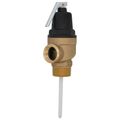
Apollo Valves T&P Valves

 --%3E %3Csvg version='1.1' id='No-RB' xmlns='http://www.w3.org/2000/svg' xmlns:xlink='http://www.w3.org/1999/xlink' x='0px' y='0px' viewBox='0 0 100 100' enable-background='new 0 0 100 100' xml:space='preserve'%3E %3Cpath fill='%23CECECE' d='M79.44,0.95H20.56C9.78,0.95,0.95,9.78,0.95,20.56v58.87c0,10.79,8.82,19.61,19.61,19.61h58.87 c10.79,0,19.61-8.83,19.61-19.61V20.56C99.05,9.78,90.22,0.95,79.44,0.95z M65.38,58.24l9.38,29.58L49.69,69.78L24.5,87.82 l9.34-29.6L8.8,39.6l30.73-0.17c0,0,6.98-19.61,10-28.93c0.54,1.36,9.88,29.1,9.88,29.1H91.2L65.38,58.24z'/%3E %3C/svg%3E)



Apollo Valves T&P valves protect water heaters by releasing water once tank pressure or temperature exceeds a safe operating limit. Plumbers install these temperature and pressure relief valves on both residential and commercial water heaters as a required safety component rather than an optional accessory. The valve opens automatically if internal pressure or temperature crosses its rated threshold, then closes again once conditions return to normal. Sizing and rating the valve to match the water heater's BTU input and working pressure keeps the valve responsive without triggering false discharges during normal heating cycles. Technicians typically replace a T&P valve when it weeps continuously, fails to reseat after testing, or reaches the manufacturer's recommended service interval. Because a T&P valve is one of the few code-required safety devices on a water heater installation, keeping commonly needed sizes on hand helps a service call finish without a return trip for a missing part.
Subcategories
- Residential T&P Valves: Residential T&P valves are sized for the smaller tank capacities and lower BTU inputs typical of home water heaters. Plumbers select these based on the tank's rated working pressure and the temperature setting called for by the manufacturer. Standard NPT connection sizes cover most residential tank openings without additional adapters. Replacing a residential T&P valve is one of the more common service calls performed on tank-style water heaters.
- Commercial T&P Valves: Commercial T&P valves handle the higher pressure and temperature ranges found in larger capacity water heaters and some commercial boiler applications. Selecting the correct valve means matching both the pressure rating and discharge capacity to the equipment's BTU input, since commercial units generate heat more quickly than residential models. Larger connection sizes are common on commercial valves to handle higher discharge volumes safely. Confirming local code requirements for commercial installations is a necessary step before finalizing a valve selection.
- T&P Valve Discharge Tubes and Extensions: Discharge tubes route water released by a T&P valve safely away from the water heater and toward an approved drain location. Extensions let a valve positioned in a tight space still discharge to a code-compliant termination point. Matching tube diameter to the valve's outlet size keeps water flow unrestricted during an actual discharge event. Local plumbing code typically specifies material requirements and maximum length for these discharge lines.
Buying Guide
Choosing a T&P valve starts with matching its pressure and temperature ratings to the water heater it protects rather than selecting based on connection size alone. The manufacturer's data plate on the water heater always lists the exact pressure and temperature rating the replacement valve needs to meet.
Connection size and thread type come next. Apollo Valves T&P Valves thread directly into a tapping on the water heater tank, so confirming NPT size against the existing opening avoids an installation delay. Some tanks use a smaller tapping than others, and adapters are not always a suitable substitute for the correct size.
Discharge capacity matters most on commercial installations, where higher BTU input means more water needs to move through the valve during an actual relief event. Undersized discharge capacity on a commercial unit can leave a tank unable to relieve pressure quickly enough during a fault condition.
Discharge piping requirements should be confirmed before finishing any installation, since local plumbing code typically dictates pipe material, minimum diameter, and an approved termination point.
Replacing a T&P valve that weeps continuously, fails a manual test, or has reached the end of its service life is a routine part of water heater maintenance, and keeping common sizes in stock avoids a delay on an otherwise simple repair.
Frequently Asked Questions
How do I know what size T&P valve to buy for a water heater?
Check the water heater's data plate for the pressure and temperature rating it requires, since that rating determines which valve size and thread connection are compatible. Matching the original valve's part number to a replacement is the most reliable way to confirm an exact fit. Installing a valve rated below the water heater's actual operating limits creates an unsafe condition.
Why is my T&P valve leaking constantly?
Continuous leaking is most often caused by system pressure that has crept above the valve's rated threshold, frequently due to a waterlogged or undersized expansion tank. Debris trapped at the valve seat during installation can also cause a temporary leak that clears after a few test cycles. If leaking continues after checking expansion tank pressure, the valve itself likely needs to be replaced.
Can a T&P valve be tested without replacing it?
Most T&P valves include a manual test lever that can be lifted briefly to confirm the valve opens and reseats properly. Testing should be done periodically as part of routine water heater maintenance rather than only when a problem is suspected. A valve that fails to reseat cleanly after testing needs replacement rather than continued service.
What's the difference between residential and commercial T&P valves?
Commercial T&P valves are built to handle higher discharge volumes and higher BTU input than residential valves, reflecting the larger tank capacities typical of commercial water heaters. Connection sizes also tend to run larger on commercial valves to accommodate that higher flow requirement. Using a residential-rated valve on a commercial unit can leave the system unable to relieve pressure fast enough during a fault.
Where should T&P valve discharge piping terminate?
Local plumbing code typically requires discharge piping to terminate at an approved location, such as near the floor or an outdoor point where discharged water will not cause damage or create a scald hazard. Discharge tube material and minimum diameter are also usually specified by code. Confirming these requirements with the local jurisdiction before finishing an installation helps the job pass inspection on the first visit.
