




Filters
SORT
Product Availability –
Connection Size –
Review Score –
 --%3E %3Csvg version='1.1' id='Fill' xmlns='http://www.w3.org/2000/svg' xmlns:xlink='http://www.w3.org/1999/xlink' x='0px' y='0px' viewBox='0 0 100 100' enable-background='new 0 0 100 100' xml:space='preserve'%3E %3Cpath fill='%23F15C02' d='M79.44,0.95H20.56C9.78,0.95,0.95,9.78,0.95,20.56v58.87c0,10.79,8.82,19.61,19.61,19.61h58.87 c10.79,0,19.61-8.83,19.61-19.61V20.56C99.05,9.78,90.22,0.95,79.44,0.95z M65.38,58.24l9.38,29.58L49.69,69.78L24.5,87.82 l9.34-29.6L8.8,39.6l30.73-0.17c0,0,6.98-19.61,10-28.93c0.54,1.36,9.88,29.1,9.88,29.1H91.2L65.38,58.24z'/%3E %3C/svg%3E)
 --%3E %3Csvg version='1.1' id='With-RB' xmlns='http://www.w3.org/2000/svg' xmlns:xlink='http://www.w3.org/1999/xlink' x='0px' y='0px' viewBox='0 0 100 100' enable-background='new 0 0 100 100' xml:space='preserve'%3E %3Cpath fill='%23FBC8B4' d='M79.44,0.95H20.56C9.78,0.95,0.95,9.78,0.95,20.56v58.87c0,10.79,8.82,19.61,19.61,19.61h58.87 c10.79,0,19.61-8.83,19.61-19.61V20.56C99.05,9.78,90.22,0.95,79.44,0.95z M65.38,58.24l9.38,29.58L49.69,69.78L24.5,87.82 l9.34-29.6L8.8,39.6l30.73-0.17c0,0,6.98-19.61,10-28.93c0.54,1.36,9.88,29.1,9.88,29.1H91.2L65.38,58.24z'/%3E %3C/svg%3E)
Price Range –
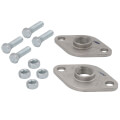
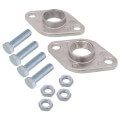
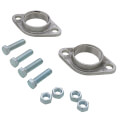
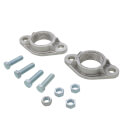
Bell & Gossett Stainless Steel Flanges


 --%3E %3Csvg version='1.1' id='No-RB' xmlns='http://www.w3.org/2000/svg' xmlns:xlink='http://www.w3.org/1999/xlink' x='0px' y='0px' viewBox='0 0 100 100' enable-background='new 0 0 100 100' xml:space='preserve'%3E %3Cpath fill='%23CECECE' d='M79.44,0.95H20.56C9.78,0.95,0.95,9.78,0.95,20.56v58.87c0,10.79,8.82,19.61,19.61,19.61h58.87 c10.79,0,19.61-8.83,19.61-19.61V20.56C99.05,9.78,90.22,0.95,79.44,0.95z M65.38,58.24l9.38,29.58L49.69,69.78L24.5,87.82 l9.34-29.6L8.8,39.6l30.73-0.17c0,0,6.98-19.61,10-28.93c0.54,1.36,9.88,29.1,9.88,29.1H91.2L65.38,58.24z'/%3E %3C/svg%3E)
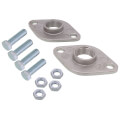
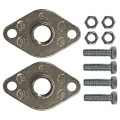
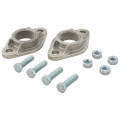
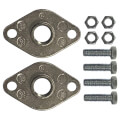

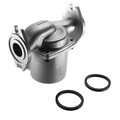

Bell & Gossett stainless steel flanges connect in-line circulator pumps, suction diffusers, and triple duty valves to the surrounding piping in a hydronic heating or cooling system. Stainless steel construction resists the corrosion that can affect cast iron or carbon steel flanges in systems with frequent water changes, glycol mixtures, or higher oxygen content. Each flange is matched to a specific pump or valve model and connection size, since flange bolt patterns and gasket faces aren't universal across manufacturers or even across a single manufacturer's own product lines. Flanges typically thread onto the piping while a separate companion flange bolts to the pump or valve body, which lets the pump be removed for service without cutting into the piping. Keeping the correct flange size and pump model paired correctly avoids a leak at the gasket face or a bolt pattern that doesn't line up.
Subcategories
- Companion Flanges for In-Line Circulators: Companion flanges pair with Bell & Gossett in-line circulator pumps, threading onto the supply and return piping so the pump body bolts on and off without disturbing the pipe itself. The design lets a technician swap a failed circulator in minutes rather than cutting and resweating pipe joints. Stainless steel construction holds up well in systems that see frequent water changes or higher dissolved oxygen levels compared to a cast iron equivalent. Matching the flange size to both the pipe diameter and the specific pump model is necessary, since bolt spacing varies across the circulator lineup.
- Suction Diffuser Flanges: Suction diffuser flanges connect a suction diffuser, a combination strainer and flow-straightening fitting, to the inlet side of a circulator pump. The diffuser's flange has to align precisely with both the pump's inlet flange and the piping flange on the other side, so a mismatched flange can throw off the whole assembly's alignment. Stainless construction resists the buildup that can affect the flange gasket face over years of operation, particularly in systems where the diffuser's strainer screen is removed periodically for cleaning. Replacing a diffuser flange without also checking the strainer screen misses part of the maintenance the diffuser is designed to make easier.
- Triple Duty Valve Flanges: Triple duty valve flanges connect a Bell & Gossett triple duty valve, which combines a shutoff valve, check valve, and balancing valve in one body, to the pump discharge piping. Because the valve performs multiple functions in a single body, its flange has to seat correctly to avoid restricting flow through the balancing and check valve mechanisms inside. Stainless steel flanges are specified in systems where the piping itself is stainless or where water treatment chemicals could otherwise corrode a standard flange over time. Confirming the valve's exact model number before ordering a replacement flange avoids a bolt pattern mismatch.
- Flange Gasket & Bolt Kits: Flange gasket and bolt kits include the gasket, bolts, and often nuts needed to reinstall a flange connection after a pump or valve is removed for service. Using a new gasket every time a flange is broken and reassembled prevents a leak at a joint that otherwise looked fine before disassembly. Bolt length and thread size vary by flange size and pump model, so a kit matched to the specific assembly avoids bolts that bottom out before the flange fully compresses the gasket. Torquing bolts evenly in a cross pattern, rather than tightening one side fully before the other, gives the most even gasket seal.
Buying Guide
Confirming the exact pump or valve model before ordering a replacement flange is the most important step in this category, since Bell & Gossett flanges are matched to specific bolt patterns, pipe sizes, and gasket faces that vary across the product line. A flange that looks similar but comes from a different pump series can have a bolt spacing that's close enough to cause installation problems without actually fitting correctly.
Stainless steel flanges cost more than cast iron equivalents but hold up better in systems with frequent water changes, glycol mixtures, or higher dissolved oxygen content that would otherwise corrode a cast iron flange's gasket face over time. Systems that see infrequent water changes and stable chemistry may not need the added corrosion resistance, making cast iron a reasonable choice where upfront cost is a bigger factor than long-term corrosion resistance.
Replacing the gasket every time a flange connection is broken, rather than reusing an old gasket, prevents a leak from developing at a joint that looked fine before disassembly. A new gasket adds little to the job compared to a return trip for a leaking connection.
Keeping companion flanges, suction diffuser flanges, and triple duty valve flanges in common sizes on hand speeds up circulator pump replacement, since a failed pump often needs to be swapped quickly to restore heating or cooling to a building. Pairing the correct flange with the correct gasket kit the first time avoids a second trip for a part that didn't fit.
Frequently Asked Questions
How is a Bell & Gossett flange matched to a specific pump?
Flanges are sized to the pump or valve's exact model and connection size, so checking the pump's model number, stamped on the housing or listed on the original spec sheet, is the most reliable way to order the correct flange. A flange from a different pump series in the same nominal pipe size can still have an incompatible bolt pattern.
Why choose stainless steel over cast iron for a companion flange?
Stainless steel resists the corrosion that develops in systems with frequent water changes, glycol-based fluids, or higher dissolved oxygen levels, extending the flange's service life in those conditions. Cast iron performs fine in stable, closed-loop systems with infrequent water changes and costs less upfront.
Should the gasket be reused when reinstalling a flange?
Reusing an old gasket risks a leak at a joint that appeared fine before disassembly, since the compressed gasket material doesn't reseal as reliably the second time. Installing a new gasket every time a flange connection is broken is the more reliable practice.
Can a suction diffuser flange be installed without realigning the strainer screen?
The flange and strainer are part of the same assembly, so removing the flange for pump service is a good opportunity to check and clean the strainer screen at the same time. Skipping that inspection means a clogged screen could keep restricting flow even after the pump itself is serviced.
What causes a flange connection to leak after reassembly?
An old or reused gasket, bolts that weren't torqued evenly in a cross pattern, or a bolt pattern mismatch between flange and pump are the most common causes. Checking that the gasket is new, correctly seated, and that bolts are torqued evenly usually resolves a leak that appears right after reassembly.
