



Filters
SORT
Product Availability –
Product Type –
Review Score –
 --%3E %3Csvg version='1.1' id='Fill' xmlns='http://www.w3.org/2000/svg' xmlns:xlink='http://www.w3.org/1999/xlink' x='0px' y='0px' viewBox='0 0 100 100' enable-background='new 0 0 100 100' xml:space='preserve'%3E %3Cpath fill='%23F15C02' d='M79.44,0.95H20.56C9.78,0.95,0.95,9.78,0.95,20.56v58.87c0,10.79,8.82,19.61,19.61,19.61h58.87 c10.79,0,19.61-8.83,19.61-19.61V20.56C99.05,9.78,90.22,0.95,79.44,0.95z M65.38,58.24l9.38,29.58L49.69,69.78L24.5,87.82 l9.34-29.6L8.8,39.6l30.73-0.17c0,0,6.98-19.61,10-28.93c0.54,1.36,9.88,29.1,9.88,29.1H91.2L65.38,58.24z'/%3E %3C/svg%3E)
 --%3E %3Csvg version='1.1' id='With-RB' xmlns='http://www.w3.org/2000/svg' xmlns:xlink='http://www.w3.org/1999/xlink' x='0px' y='0px' viewBox='0 0 100 100' enable-background='new 0 0 100 100' xml:space='preserve'%3E %3Cpath fill='%23FBC8B4' d='M79.44,0.95H20.56C9.78,0.95,0.95,9.78,0.95,20.56v58.87c0,10.79,8.82,19.61,19.61,19.61h58.87 c10.79,0,19.61-8.83,19.61-19.61V20.56C99.05,9.78,90.22,0.95,79.44,0.95z M65.38,58.24l9.38,29.58L49.69,69.78L24.5,87.82 l9.34-29.6L8.8,39.6l30.73-0.17c0,0,6.98-19.61,10-28.93c0.54,1.36,9.88,29.1,9.88,29.1H91.2L65.38,58.24z'/%3E %3C/svg%3E)
Price Range –
Carlin Burners & Parts

 --%3E %3Csvg version='1.1' id='No-RB' xmlns='http://www.w3.org/2000/svg' xmlns:xlink='http://www.w3.org/1999/xlink' x='0px' y='0px' viewBox='0 0 100 100' enable-background='new 0 0 100 100' xml:space='preserve'%3E %3Cpath fill='%23CECECE' d='M79.44,0.95H20.56C9.78,0.95,0.95,9.78,0.95,20.56v58.87c0,10.79,8.82,19.61,19.61,19.61h58.87 c10.79,0,19.61-8.83,19.61-19.61V20.56C99.05,9.78,90.22,0.95,79.44,0.95z M65.38,58.24l9.38,29.58L49.69,69.78L24.5,87.82 l9.34-29.6L8.8,39.6l30.73-0.17c0,0,6.98-19.61,10-28.93c0.54,1.36,9.88,29.1,9.88,29.1H91.2L65.38,58.24z'/%3E %3C/svg%3E)
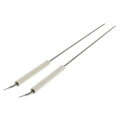

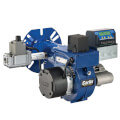
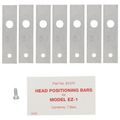
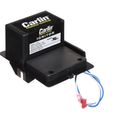
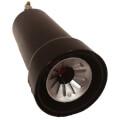
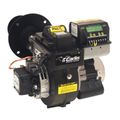
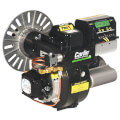
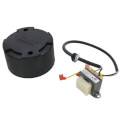
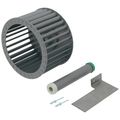
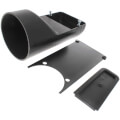
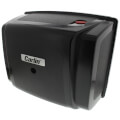

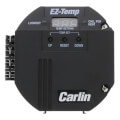
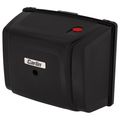
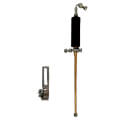
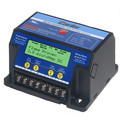
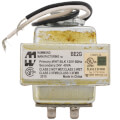
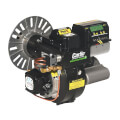
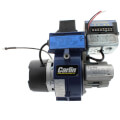

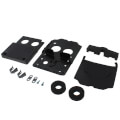
Carlin burners and parts cover the oil burner units and replacement components technicians need to service residential and light commercial heating systems that use this brand of burner. A Carlin burner mounts to the front of a boiler or furnace and handles ignition, fuel atomization, and combustion air for oil-fired heat. Parts commonly replaced during routine service include nozzles, electrodes, and the primary control that manages the ignition sequence, since these components see the most wear from repeated firing cycles. Technicians servicing an older oil heat system often need to identify the exact burner model before ordering parts, since internal components differ between generations of the same burner line. Stocking the right combination of burner units and wear parts keeps a heating service call from turning into a return trip for a missing component.
Subcategories
- Complete Burner Units: Complete burner units replace the entire assembly when a burner has failed beyond a simple parts repair or when upgrading an older heating system to a newer burner design. Oil heat technicians install a full unit rather than repairing component by component when the motor, transformer, or housing itself has failed. A complete unit arrives set up with its standard air tube and combustion head, though some jobs still need a length change to fit the existing boiler or furnace. Choosing a complete unit over incremental repairs makes sense once repair costs on an aging burner start adding up.
- Nozzles and Electrodes: Nozzles and electrodes wear out from routine firing and typically get replaced during annual heating system maintenance rather than waiting for a failure. A nozzle atomizes the fuel oil into the fine spray the burner needs for clean combustion, while the electrodes generate the spark that ignites it. Technicians match the nozzle's spray angle and flow rate to the specific appliance being serviced, since the wrong nozzle spec throws off combustion efficiency. Replacing both together during a tune-up, rather than one at a time, is standard practice among oil heat service crews.
- Primary Controls: Primary controls manage the burner's ignition sequence and shut the system down safely if it fails to detect a flame within the expected window. A failed primary control is one of the most common reasons an oil burner won't start even though the motor runs. Technicians carry a range of primary control models on the truck since the control has to match both the burner design and the specific safety timing the system calls for. Swapping a universal-fit control in place of an exact match sometimes works but can change the shutdown timing the system was originally set up with.
- Air Tubes and Combustion Heads: Air tubes and combustion heads direct the fuel and air mixture into the boiler or furnace's combustion chamber and need to match the appliance's firing rate and chamber size. A tube that's too long or too short for the application throws off flame shape and combustion efficiency even when every other burner component is correct. Technicians measure the existing tube length and head style before ordering a replacement rather than assuming a universal fit. Getting this measurement right the first time avoids a second parts order mid-job.
Buying Guide
Start any Carlin parts order by confirming the exact burner model and generation installed on the appliance, since internal components like nozzles, electrodes, and primary controls have changed across different production runs of the same burner line. The model plate on the burner housing is the most reliable source for this information.
Once the model is confirmed, decide whether the job calls for routine wear parts or a full unit replacement. A burner still running well mechanically usually just needs nozzles, electrodes, or a primary control replaced during scheduled maintenance, while a unit with a failed motor, transformer, or cracked housing is often more economical to replace outright rather than repair piece by piece.
Shopping Carlin Burners & Parts also means checking fit specifics like air tube length and combustion head style against the appliance's chamber size and firing rate, since a mismatch here affects combustion efficiency even with every other component correct.
Finally, stock the fast-moving wear parts, nozzles, electrodes, and gaskets, ahead of the slower-moving primary controls and complete units, since those wear parts turn over on nearly every annual tune-up call while a full burner replacement is a much less frequent job.
Frequently Asked Questions
How do I identify which Carlin burner model is installed on an appliance?
The burner's model and generation are stamped on a nameplate attached to the burner housing, usually near the motor or transformer mount. Matching parts to that exact model prevents ordering a nozzle or electrode that fits a different generation of the same burner line.
What's the most common reason a Carlin burner fails to start?
A failed primary control is one of the most frequent causes, since it shuts the burner down safely if it doesn't detect flame within the expected window after ignition. Checking the control before assuming a motor or electrode problem often saves a diagnostic step.
How often should nozzles and electrodes be replaced?
Most oil heat service schedules call for replacing both during annual maintenance rather than waiting for a failure, since worn nozzles and electrodes reduce combustion efficiency well before they stop working entirely. Replacing them together also keeps the ignition timing consistent.
Can a universal primary control replace an exact-match Carlin control?
A universal-fit control can work in some installations, but it may not preserve the exact shutdown and safety timing the original control was set up with. Using the exact match whenever it's available keeps the system's safety behavior unchanged.
When does it make more sense to replace a complete burner unit instead of repairing it?
Replacing the full unit usually makes more sense once the motor, transformer, or housing has failed, since those components aren't practical to repair individually. A burner that's otherwise running well mechanically is better served by replacing just the worn wear parts.
