




Drill Bits

 --%3E %3Csvg version='1.1' id='No-RB' xmlns='http://www.w3.org/2000/svg' xmlns:xlink='http://www.w3.org/1999/xlink' x='0px' y='0px' viewBox='0 0 100 100' enable-background='new 0 0 100 100' xml:space='preserve'%3E %3Cpath fill='%23CECECE' d='M79.44,0.95H20.56C9.78,0.95,0.95,9.78,0.95,20.56v58.87c0,10.79,8.82,19.61,19.61,19.61h58.87 c10.79,0,19.61-8.83,19.61-19.61V20.56C99.05,9.78,90.22,0.95,79.44,0.95z M65.38,58.24l9.38,29.58L49.69,69.78L24.5,87.82 l9.34-29.6L8.8,39.6l30.73-0.17c0,0,6.98-19.61,10-28.93c0.54,1.36,9.88,29.1,9.88,29.1H91.2L65.38,58.24z'/%3E %3C/svg%3E)

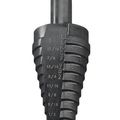
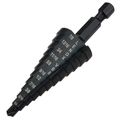
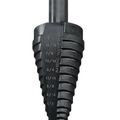
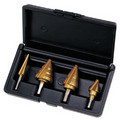
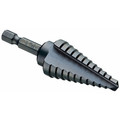
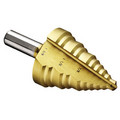
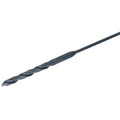
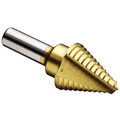
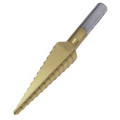
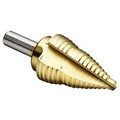
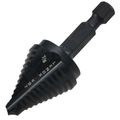
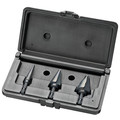
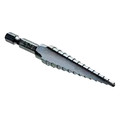

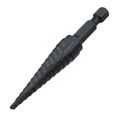
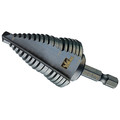
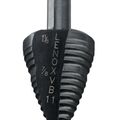

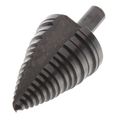
Drill bits are the cutting accessories that let a drill, impact driver, or hammer drill make clean holes in wood, metal, plastic, and masonry. Bit material, tip geometry, and shank type decide which jobs a bit handles well. Milwaukee's SHOCKWAVE carbide hammer bits in the 48-20-9157 five pack, for example, measure 3/16 inch by 4 inches by 6 inches, run on a 1/4 inch hex shank, and are built for concrete, brick, and block. A 1/8 inch titanium drill bit like the Milwaukee 48-89-4605 uses a 135 degree split point for a precise start without walking, and it cuts wood, PVC, copper, aluminum, and sheet metal. Large self-feed bits such as the Milwaukee 48-25-5120 cut big holes in wood repeatedly and use blades that are replaced rather than resharpened. Picking the wrong bit costs time, dulls the cutting edge fast, and can damage the material. Matching bit type, diameter, and shank to the task keeps installs moving and holes clean.
Subcategories
- Carbide Hammer Drill Bits: Carbide hammer drill bits cut concrete, brick, and block with a sharpened carbide head. Crews reach for them when a fastener or hanger has to go into masonry using an impact driver or hammer drill. The Milwaukee 48-20-9157 pack holds five SHOCKWAVE bits, each with a 3/16 inch hole diameter, a 4 inch usable length, and a 1/4 inch hex shank. A wide flute design removes dust faster.
- Titanium Drill Bits: Titanium drill bits handle mixed-material work where one bit has to cut wood, plastic, and metal. Installers use them on PVC, copper, aluminum, duct and sheet metal, and angle iron. The Milwaukee 48-89-4605 is a 1/8 inch bit with a 135 degree split point and a 1/4 inch hex shank. Its QUAD EDGE tip provides four cutting edges.
- Self-Feed Wood Bits: Self-feed wood bits cut large holes in wood, and an aggressive feed screw design pulls the bit through quickly. Trades that repeat large hole cutting use them to keep production moving. The Milwaukee 48-25-5120 is a 1-3/8 inch SWITCHBLADE selfeed bit. Its hardened steel blades are removed and replaced rather than resharpened.
Buying Guide
Start with the material being drilled, because it decides the bit type. Masonry calls for carbide tipped hammer bits, metal and mixed materials call for titanium drill bits, and large holes in wood call for self-feed designs. Next, match the shank to the tool. The Milwaukee 48-20-9157 and 48-89-4605 both use a 1/4 inch hex shank, and both are listed by the manufacturer for use with impact drivers and drills. Then size the bit to the hole. The 48-20-9157 cuts a 3/16 inch hole with 4 inches of usable length, while the 48-25-5120 cuts a 1-3/8 inch hole in wood. Usable length matters on deep holes, since a short bit runs out of reach before the hole is finished.
When comparing Drill Bits for a crew, think about volume too. A five pack like the 48-20-9157 suits repeat drilling in masonry, and replaceable blades on the SWITCHBLADE selfeed style mean a blade change instead of resharpening on repetitive large hole jobs. Confirm hole diameter against the fastener or fitting being installed before choosing a size. Finally, read the stated materials before buying. A bit made for wood, PVC, copper, and aluminum is a poor pick for masonry, and forcing it dulls the edge. Keeping a few common sizes on the truck saves return trips.
Frequently Asked Questions
What drill bit do I need for concrete or block?
Drill bits for concrete, brick, and block are carbide hammer bits. The Milwaukee 48-20-9157 is a 3/16 inch by 4 inch by 6 inch carbide bit supplied as a five pack with a 1/4 inch hex shank. Milwaukee lists it for use with impact drivers and hammer drills.
Can one drill bit handle wood, PVC, and copper?
Some drill bits cover several materials. The Milwaukee 48-89-4605 is a 1/8 inch titanium drill bit that the manufacturer lists for wood, PVC, copper, aluminum, duct and sheet metal, and angle iron. Check the stated materials on any bit before using it on a job.
Are self-feed bits worth it for big holes in wood?
Self-feed drill bits suit repetitive large holes in wood. The Milwaukee 48-25-5120 is a 1-3/8 inch SWITCHBLADE selfeed bit with an aggressive feed screw design for faster pull-through. Its blades are replaced rather than resharpened.
What does a split point do on a drill bit?
A split point on a drill bit helps the tip start in the work without walking. The Milwaukee 48-89-4605 uses a 135 degree split point and a QUAD EDGE tip with four cutting edges. Drill bits with this tip geometry fit mixed-material work where a clean start matters.
What shank do impact-ready drill bits use?
The Milwaukee 48-20-9157 carbide hammer bits and the 48-89-4605 titanium drill bit both use a 1/4 inch hex shank, and Milwaukee lists both for use with impact drivers and drills. Check the tool's bit holder against the shank before buying drill bits for a crew.
