




Filters
SORT
Product Availability –
Product Type –
Duct Size –
Review Score –
 --%3E %3Csvg version='1.1' id='Fill' xmlns='http://www.w3.org/2000/svg' xmlns:xlink='http://www.w3.org/1999/xlink' x='0px' y='0px' viewBox='0 0 100 100' enable-background='new 0 0 100 100' xml:space='preserve'%3E %3Cpath fill='%23F15C02' d='M79.44,0.95H20.56C9.78,0.95,0.95,9.78,0.95,20.56v58.87c0,10.79,8.82,19.61,19.61,19.61h58.87 c10.79,0,19.61-8.83,19.61-19.61V20.56C99.05,9.78,90.22,0.95,79.44,0.95z M65.38,58.24l9.38,29.58L49.69,69.78L24.5,87.82 l9.34-29.6L8.8,39.6l30.73-0.17c0,0,6.98-19.61,10-28.93c0.54,1.36,9.88,29.1,9.88,29.1H91.2L65.38,58.24z'/%3E %3C/svg%3E)
 --%3E %3Csvg version='1.1' id='With-RB' xmlns='http://www.w3.org/2000/svg' xmlns:xlink='http://www.w3.org/1999/xlink' x='0px' y='0px' viewBox='0 0 100 100' enable-background='new 0 0 100 100' xml:space='preserve'%3E %3Cpath fill='%23FBC8B4' d='M79.44,0.95H20.56C9.78,0.95,0.95,9.78,0.95,20.56v58.87c0,10.79,8.82,19.61,19.61,19.61h58.87 c10.79,0,19.61-8.83,19.61-19.61V20.56C99.05,9.78,90.22,0.95,79.44,0.95z M65.38,58.24l9.38,29.58L49.69,69.78L24.5,87.82 l9.34-29.6L8.8,39.6l30.73-0.17c0,0,6.98-19.61,10-28.93c0.54,1.36,9.88,29.1,9.88,29.1H91.2L65.38,58.24z'/%3E %3C/svg%3E)
Price Range –
Ducts, Transitions, & Elbows

 --%3E %3Csvg version='1.1' id='Half' xmlns='http://www.w3.org/2000/svg' xmlns:xlink='http://www.w3.org/1999/xlink' x='0px' y='0px' viewBox='0 0 100 100' enable-background='new 0 0 100 100' xml:space='preserve'%3E %3Cg%3E %3Cpath fill='%23F15C02' d='M30.05,70.23l3.79-12.01L8.8,39.6l30.73-0.17c0,0,6.98-19.61,10-28.93c0.54,1.36,9.88,29.1,9.88,29.1h1.58 L93.71,7.18c-3.58-3.82-8.66-6.23-14.28-6.23H20.56C9.78,0.95,0.95,9.78,0.95,20.56v58.87c0,5.41,2.22,10.32,5.79,13.88 L30.05,70.23z'/%3E %3C/g%3E %3Cpath fill='%23FBC8B4' d='M93.71,7.18L60.98,39.6H91.2L65.38,58.24l9.38,29.58L49.69,69.78L24.5,87.82l5.55-17.59L6.75,93.32 c3.55,3.54,8.44,5.73,13.82,5.73h58.87c10.79,0,19.61-8.83,19.61-19.61V20.56C99.05,15.4,97.01,10.69,93.71,7.18z'/%3E %3C/svg%3E)

 --%3E %3Csvg version='1.1' id='No-RB' xmlns='http://www.w3.org/2000/svg' xmlns:xlink='http://www.w3.org/1999/xlink' x='0px' y='0px' viewBox='0 0 100 100' enable-background='new 0 0 100 100' xml:space='preserve'%3E %3Cpath fill='%23CECECE' d='M79.44,0.95H20.56C9.78,0.95,0.95,9.78,0.95,20.56v58.87c0,10.79,8.82,19.61,19.61,19.61h58.87 c10.79,0,19.61-8.83,19.61-19.61V20.56C99.05,9.78,90.22,0.95,79.44,0.95z M65.38,58.24l9.38,29.58L49.69,69.78L24.5,87.82 l9.34-29.6L8.8,39.6l30.73-0.17c0,0,6.98-19.61,10-28.93c0.54,1.36,9.88,29.1,9.88,29.1H91.2L65.38,58.24z'/%3E %3C/svg%3E)
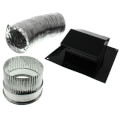

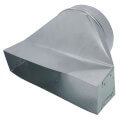


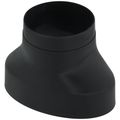
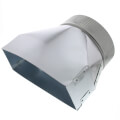
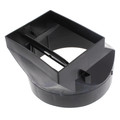



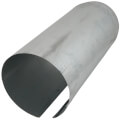
Ducts, transitions, and elbows are the building blocks HVAC installers use to route conditioned air from the equipment to every room a system serves. Straight duct sections carry air in a constant direction and size, transitions change from one duct shape or dimension to another, such as stepping down from a large trunk line to a smaller branch, and elbows redirect airflow around obstacles like framing, joists, or other trades' equipment. Getting these pieces right affects more than just fit: an undersized transition or a sharp, poorly formed elbow adds static pressure to the system, which can reduce airflow and make the equipment work harder than it needs to.
Installers select these components based on the layout of the space being served, matching duct size to the equipment's airflow requirements and choosing transitions and elbows that keep the run as smooth as the space allows. On both new construction and retrofit jobs, having the right mix of straight duct, transitions, and elbows on hand keeps a run from being cobbled together out of mismatched pieces.
Subcategories
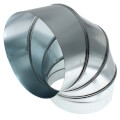
- Round Duct Elbows: Round elbows redirect round metal or flexible duct at a set angle, commonly 45 or 90 degrees, and come in adjustable or fixed styles depending on how much flexibility the installation needs. Adjustable elbows let the installer fine-tune the angle on site to route around framing or other obstructions. They're sized to match standard round duct diameters for a snug, sealable fit.
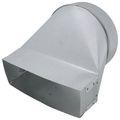
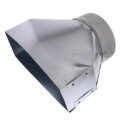
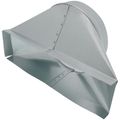
- Rectangular-to-Round Transitions: These transitions connect rectangular trunk duct to round branch duct, which is a common junction point where a main supply line splits off to serve an individual room or zone. The shape change is gradual to minimize turbulence and the added static pressure that comes with an abrupt transition. Installers select the transition size based on the branch duct diameter needed to hit the room's airflow target.
- Duct Reducers: Reducers step a duct run down from a larger size to a smaller one without changing the duct's overall shape, used where a trunk line serves fewer rooms further down its length and doesn't need to carry as much air volume. Choosing the right reduction point keeps velocity and static pressure within a reasonable range for the rest of the run. Reducers come in both round and rectangular versions to match the duct system in use.
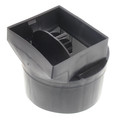
- Register Boots: Register boots connect the end of a branch duct run to the wall, floor, or ceiling opening where a supply or return register is installed. They typically include a built-in transition from round duct to the rectangular shape of the register opening. Boot size needs to match both the duct diameter feeding it and the register size being installed.
Buying Guide
Duct sizing should be based on the airflow requirements of the space being served, not just matched to whatever size duct happens to be on the truck. Undersized duct increases velocity noise and static pressure, while oversized duct can lead to poor air distribution, so sizing decisions ripple through equipment performance.
When choosing elbows, adjustable styles offer more flexibility on jobs where the exact routing isn't finalized until the installer is on site working around framing or other trades. Fixed-angle elbows are often more economical when the routing is already known and consistent across a run.
Transitions between rectangular and round duct, or between two different sizes, should be as gradual as the space allows. An abrupt transition creates more turbulence and static pressure than a properly tapered one, which can affect airflow delivered to the rooms further down the run.
Material and gauge matter for durability and sealing. Thicker gauge sheet metal holds its shape better over time and provides a more reliable surface for sealing tape or mastic, particularly on runs that will be difficult to access again after installation.
Plan the full duct run, including transitions and elbows, before ordering rather than piecing it together as the job goes. Ducts, Transitions, & Elbows work best as a coordinated system, and knowing the complete path in advance helps avoid last-minute substitutions that add unnecessary static pressure to the run.
Frequently Asked Questions
Does adding more elbows to a duct run affect system performance?
Yes. Each elbow adds a small amount of static pressure to the system, and adding more elbows than necessary can reduce overall airflow. Planning a run with the fewest reasonable turns helps keep the system operating efficiently.
What's the difference between a transition and a reducer?
A transition typically changes duct shape, such as going from rectangular trunk duct to round branch duct, while a reducer changes size without necessarily changing shape. Both are used to adapt one section of duct to connect properly with the next.
Should I use adjustable or fixed elbows?
Adjustable elbows give more flexibility when the exact routing isn't determined until installation, letting the installer fine-tune the angle on site. Fixed elbows are often a more economical choice when the routing is already known.
How do I know what size register boot I need?
The boot needs to match both the diameter of the duct feeding it and the size of the register being installed. Checking both measurements before ordering avoids a boot that doesn't fit one end or the other.
Why does duct sizing matter beyond just fitting the space?
Duct size directly affects airflow velocity and static pressure. Undersized duct can create noise and restrict airflow, while oversized duct can lead to poor air distribution, so sizing should be based on the equipment's actual airflow requirements.
