




Flaretite Refrigeration & Gas Seals

 --%3E %3Csvg version='1.1' id='Fill' xmlns='http://www.w3.org/2000/svg' xmlns:xlink='http://www.w3.org/1999/xlink' x='0px' y='0px' viewBox='0 0 100 100' enable-background='new 0 0 100 100' xml:space='preserve'%3E %3Cpath fill='%23F15C02' d='M79.44,0.95H20.56C9.78,0.95,0.95,9.78,0.95,20.56v58.87c0,10.79,8.82,19.61,19.61,19.61h58.87 c10.79,0,19.61-8.83,19.61-19.61V20.56C99.05,9.78,90.22,0.95,79.44,0.95z M65.38,58.24l9.38,29.58L49.69,69.78L24.5,87.82 l9.34-29.6L8.8,39.6l30.73-0.17c0,0,6.98-19.61,10-28.93c0.54,1.36,9.88,29.1,9.88,29.1H91.2L65.38,58.24z'/%3E %3C/svg%3E)


 --%3E %3Csvg version='1.1' id='With-RB' xmlns='http://www.w3.org/2000/svg' xmlns:xlink='http://www.w3.org/1999/xlink' x='0px' y='0px' viewBox='0 0 100 100' enable-background='new 0 0 100 100' xml:space='preserve'%3E %3Cpath fill='%23FBC8B4' d='M79.44,0.95H20.56C9.78,0.95,0.95,9.78,0.95,20.56v58.87c0,10.79,8.82,19.61,19.61,19.61h58.87 c10.79,0,19.61-8.83,19.61-19.61V20.56C99.05,9.78,90.22,0.95,79.44,0.95z M65.38,58.24l9.38,29.58L49.69,69.78L24.5,87.82 l9.34-29.6L8.8,39.6l30.73-0.17c0,0,6.98-19.61,10-28.93c0.54,1.36,9.88,29.1,9.88,29.1H91.2L65.38,58.24z'/%3E %3C/svg%3E)

 --%3E %3Csvg version='1.1' id='No-RB' xmlns='http://www.w3.org/2000/svg' xmlns:xlink='http://www.w3.org/1999/xlink' x='0px' y='0px' viewBox='0 0 100 100' enable-background='new 0 0 100 100' xml:space='preserve'%3E %3Cpath fill='%23CECECE' d='M79.44,0.95H20.56C9.78,0.95,0.95,9.78,0.95,20.56v58.87c0,10.79,8.82,19.61,19.61,19.61h58.87 c10.79,0,19.61-8.83,19.61-19.61V20.56C99.05,9.78,90.22,0.95,79.44,0.95z M65.38,58.24l9.38,29.58L49.69,69.78L24.5,87.82 l9.34-29.6L8.8,39.6l30.73-0.17c0,0,6.98-19.61,10-28.93c0.54,1.36,9.88,29.1,9.88,29.1H91.2L65.38,58.24z'/%3E %3C/svg%3E)
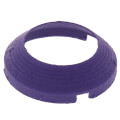
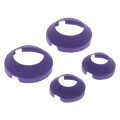

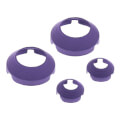
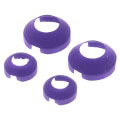


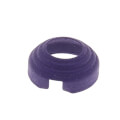
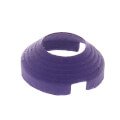
Flaretite Refrigeration & Gas Seals are stamped copper rings from RectorSeal designed to seal 45° flare connections on refrigeration and gas linesets. Each seal carries concentric ridges formed by a baked-on Loctite Vibra-Seal coating, creating multiple points of contact within the flare joint, and the seals are rated across a temperature range of -40°F to 300°F with a pressure rating up to 10,000 psi. HVAC and refrigeration technicians use these seals to address leaks caused by galling, vibration, and repeated temperature cycling on flare fittings, conditions that can defeat a standard metal-to-metal flare seal over time. Locking tabs clip the seal securely onto the fitting during assembly, which keeps it in place while the flare nut is tightened. Adding a Flaretite seal gives a flare joint a second line of defense against the kind of slow leaks that are difficult to trace once a system is charged and running.
Subcategories
- Single-Size Seals: Single-size seals are packaged for one specific lineset diameter, such as a 1/2 inch flare connection. Technicians working on a consistent equipment lineup, like a fleet of similarly sized split systems, often stock single-size boxes for efficiency. These are sold in bulk box quantities for service trucks handling high call volume.
- Combo Kits: Combo kits pair two different sizes, such as 1/4 inch and 1/2 inch or 3/8 inch and 1/2 inch, in one package. Technicians who service a range of equipment sizes on a given route use combo kits to cover multiple lineset diameters without carrying several separate boxes. This format is common for service vans stocked for mixed residential and light commercial calls.
Buying Guide
Match the seal size to the exact lineset diameter on the flare connection, since Flaretite Refrigeration & Gas Seals are sized to fit standard flare diameters and a mismatched seal won't seat correctly against the flare face. Confirm the seal is compatible with the refrigerant and oil type in the system; these seals are designed to work with common refrigerants used alongside POE and PVE oils, which covers most modern refrigeration and air conditioning equipment. Check the temperature and pressure conditions of the application against the seal's rated range, since a joint operating outside the rated range needs a different sealing method entirely. Decide between single-size boxes and combo kits based on the range of equipment serviced; a technician working on one system size benefits from a single-size box, while a service route covering mixed lineset diameters benefits from a combo kit. Inspect the flare itself before adding a seal, since a poorly cut or damaged flare face will still leak even with a seal in place, the seal compensates for minor misalignment and surface imperfection but doesn't replace a properly formed flare. Keep a stock of the most common sizes used across a typical residential lineset range so a flare leak found on a service call can be resolved without a return trip.
Frequently Asked Questions
What problem does a Flaretite seal solve on a flare connection?
A Flaretite seal addresses leaks on 45° flare connections caused by galling, vibration, and temperature cycling, conditions that can gradually defeat a standard metal-to-metal flare joint. The seal's conical ridges create multiple points of contact to compensate for minor misalignment in the flare. This gives the connection a second layer of sealing beyond the flare itself.
What temperature and pressure range are Flaretite seals rated for?
Flaretite seals are rated across a temperature range of -40°F to 300°F and a pressure rating up to 10,000 psi. That range covers the vast majority of refrigeration and gas line applications technicians encounter in the field. Confirm the specific system's operating conditions fall within this range before installation.
Are Flaretite seals compatible with all refrigerants?
Flaretite seals are designed for compatibility with common refrigerants used alongside POE and PVE lubricating oils, which covers most current refrigeration and air conditioning systems. Technicians should confirm compatibility with the specific refrigerant and oil combination in an older or specialty system. The Loctite coating on the seal is formulated to hold up under typical refrigerant exposure.
Does a Flaretite seal replace the need for a properly cut flare?
A Flaretite seal compensates for minor misalignment and surface imperfection but does not replace the need for a properly formed flare. A poorly cut or damaged flare face can still leak even with a seal installed. Technicians should inspect and re-cut a bad flare before relying on the seal to correct it.
What sizes do Flaretite seals come in?
Flaretite seals are available in sizes covering standard refrigeration linesets, including 1/4 inch, 3/8 inch, 1/2 inch, 5/8 inch, and 3/4 inch, and are sold in single-size boxes or combo kits pairing two sizes together. The right size depends on the diameter of the flare connection being sealed. Combo kits are useful for technicians servicing mixed equipment sizes on one route.
