




HVAC Parts
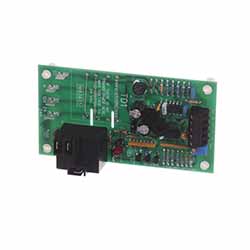
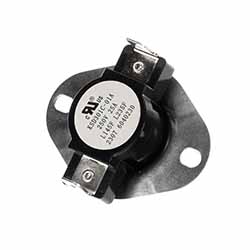
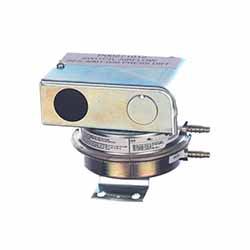
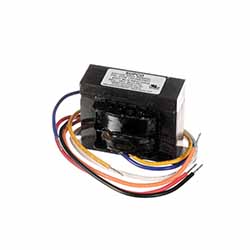
HVAC replacement parts are the manufacturer-specific components technicians need to repair furnaces, air handlers, heat pumps, and other equipment already in the field. The category is organized by manufacturer. It covers major OEMs like Carrier, Trane, and Lennox, plus specialty and commercial equipment makers such as Heatcraft, Traulsen, and Greenheck. Technicians turn to this category when a piece of equipment needs a specific part rather than a generic replacement, whether that's a control board, motor, or gas valve.
Sourcing the correct manufacturer part matters because HVAC equipment often relies on proprietary components that aren't interchangeable across brands. A technician diagnosing a failed furnace or rooftop unit needs to identify the equipment manufacturer and model before ordering. Even parts that look similar can differ in mounting, wiring, or control logic. Organizing replacement parts by manufacturer speeds up that process for technicians who already know which brand's equipment they're servicing.





Subcategories
- AAON Parts: AAON Parts cover replacement components for AAON's commercial rooftop units and air handlers, which are common in schools, offices, and other commercial buildings. Technicians servicing AAON equipment typically need the unit's model and serial number to identify the correct control board, motor, or sensor. AAON equipment is often specified for its air handling capacity in larger commercial spaces.
- ADP Parts: ADP Parts supply replacement components for ADP's evaporator coils and air handlers, equipment frequently paired with a range of furnace and condenser brands in split systems. Technicians match coil replacement parts to the specific ADP model number since coil dimensions and connection points vary across the lineup. ADP coils are a common OEM and aftermarket choice for HVAC contractors building custom split-system pairings.
- Aegis Parts: Aegis Parts cover shaft grounding rings and related components designed to protect motor bearings from electrical discharge damage, a common cause of premature motor failure in variable-frequency-drive-equipped HVAC equipment. Technicians add these parts during motor replacement or as a preventive upgrade on systems with a history of bearing failures. They're most often seen in commercial and industrial HVAC applications.
- Air Xchange Parts: Air Xchange Parts support Air Xchange's energy recovery ventilator equipment, which transfers heat or moisture between incoming and outgoing air streams to improve a building's ventilation efficiency. Replacement parts include the wheels, motors, and belts specific to their ERV product line. Technicians servicing this equipment typically need the unit's model number to match wheel size and motor specifications correctly.
- Armstrong Air Parts: Armstrong Air Parts cover replacement components for Armstrong Air furnaces, air conditioners, and air handlers, a residential and light commercial equipment line. Technicians order these parts using the unit's model and serial number found on the equipment's data plate. Common replacement needs include igniters, control boards, and blower motors.
- Armstrong International Parts: Armstrong International Parts cover steam and hot water system components. These include traps, valves, and controls used in commercial and industrial heating applications. This equipment is distinct from Armstrong Air's residential furnace line despite the similar name. Technicians servicing steam systems rely on this category for the specialized traps and valves that keep those systems operating safely.
Buying Guide
Identify the equipment manufacturer and model before searching. Most HVAC equipment has a data plate listing the model and serial number. Having both on hand narrows the search to the exact part needed rather than a close approximation.
Confirm whether the part is OEM or a compatible aftermarket option. Some manufacturers only offer parts through their own line, while others have equipment that accepts widely compatible aftermarket components like universal control boards or capacitors. Checking compatibility notes on the product listing avoids an installation surprise.
Account for equipment age when sourcing parts. Older units may have discontinued components that require a cross-reference to a current part number, and HVAC Replacement Parts listings often note when a part supersedes an older one. Technicians servicing aging equipment should budget extra time for this kind of cross-referencing.
Consider whether a repair or full replacement makes more financial sense. A control board or motor failure on an older unit might cost close to what a full equipment replacement would. Weighing the part's cost against the unit's remaining service life is worth doing before ordering.
Keep commonly failed parts on hand for recurring service accounts. Capacitors, igniters, and control boards are among the most frequently replaced components across most manufacturer lines. Stocking a small inventory of these reduces the number of return trips on service calls.
Frequently Asked Questions
How do I find the right replacement part for my HVAC unit?
Start with the equipment's data plate, which lists the manufacturer, model number, and serial number. Searching by that model number within the manufacturer's parts category is the most reliable way to find an exact match.
Are Armstrong Air and Armstrong International the same company?
No, they're separate companies despite the shared name. Armstrong Air makes residential and light commercial furnaces and air conditioners. Armstrong International makes steam and hot water system components for commercial and industrial heating.
Can I use an aftermarket part instead of an OEM replacement?
In many cases yes, as long as the aftermarket part is rated to match the original's specifications. Some manufacturers restrict certain components to OEM-only parts, so checking the equipment's warranty terms and the part listing's compatibility notes is worth doing first.
What information do I need before ordering a replacement control board?
The equipment's model and serial number are essential, since control boards are often specific to a narrow range of unit variations even within the same manufacturer line. Some manufacturers also require the board's own part number, found on the board itself, for an exact match.
How do I know if a part has been discontinued or superseded?
Older units may have discontinued components that require a cross-reference to a current part number. Listings in this category often note when a part supersedes an older one. Check the listing details before ordering to confirm compatibility with older equipment.
Resources
Subcategories
- AAON Parts: AAON Parts cover replacement components for AAON's commercial rooftop units and air handlers, which are common in schools, offices, and other commercial buildings. Technicians servicing AAON equipment typically need the unit's model and serial number to identify the correct control board, motor, or sensor. AAON equipment is often specified for its air handling capacity in larger commercial spaces.
- ADP Parts: ADP Parts supply replacement components for ADP's evaporator coils and air handlers, equipment frequently paired with a range of furnace and condenser brands in split systems. Technicians match coil replacement parts to the specific ADP model number since coil dimensions and connection points vary across the lineup. ADP coils are a common OEM and aftermarket choice for HVAC contractors building custom split-system pairings.
- Aegis Parts: Aegis Parts cover shaft grounding rings and related components designed to protect motor bearings from electrical discharge damage, a common cause of premature motor failure in variable-frequency-drive-equipped HVAC equipment. Technicians add these parts during motor replacement or as a preventive upgrade on systems with a history of bearing failures. They're most often seen in commercial and industrial HVAC applications.
- Air Xchange Parts: Air Xchange Parts support Air Xchange's energy recovery ventilator equipment, which transfers heat or moisture between incoming and outgoing air streams to improve a building's ventilation efficiency. Replacement parts include the wheels, motors, and belts specific to their ERV product line. Technicians servicing this equipment typically need the unit's model number to match wheel size and motor specifications correctly.
- Armstrong Air Parts: Armstrong Air Parts cover replacement components for Armstrong Air furnaces, air conditioners, and air handlers, a residential and light commercial equipment line. Technicians order these parts using the unit's model and serial number found on the equipment's data plate. Common replacement needs include igniters, control boards, and blower motors.
- Armstrong International Parts: Armstrong International Parts cover steam and hot water system components. These include traps, valves, and controls used in commercial and industrial heating applications. This equipment is distinct from Armstrong Air's residential furnace line despite the similar name. Technicians servicing steam systems rely on this category for the specialized traps and valves that keep those systems operating safely.
Buying Guide
Identify the equipment manufacturer and model before searching. Most HVAC equipment has a data plate listing the model and serial number. Having both on hand narrows the search to the exact part needed rather than a close approximation.
Confirm whether the part is OEM or a compatible aftermarket option. Some manufacturers only offer parts through their own line, while others have equipment that accepts widely compatible aftermarket components like universal control boards or capacitors. Checking compatibility notes on the product listing avoids an installation surprise.
Account for equipment age when sourcing parts. Older units may have discontinued components that require a cross-reference to a current part number, and HVAC Replacement Parts listings often note when a part supersedes an older one. Technicians servicing aging equipment should budget extra time for this kind of cross-referencing.
Consider whether a repair or full replacement makes more financial sense. A control board or motor failure on an older unit might cost close to what a full equipment replacement would. Weighing the part's cost against the unit's remaining service life is worth doing before ordering.
Keep commonly failed parts on hand for recurring service accounts. Capacitors, igniters, and control boards are among the most frequently replaced components across most manufacturer lines. Stocking a small inventory of these reduces the number of return trips on service calls.
Frequently Asked Questions
How do I find the right replacement part for my HVAC unit?
Start with the equipment's data plate, which lists the manufacturer, model number, and serial number. Searching by that model number within the manufacturer's parts category is the most reliable way to find an exact match.
Are Armstrong Air and Armstrong International the same company?
No, they're separate companies despite the shared name. Armstrong Air makes residential and light commercial furnaces and air conditioners. Armstrong International makes steam and hot water system components for commercial and industrial heating.
Can I use an aftermarket part instead of an OEM replacement?
In many cases yes, as long as the aftermarket part is rated to match the original's specifications. Some manufacturers restrict certain components to OEM-only parts, so checking the equipment's warranty terms and the part listing's compatibility notes is worth doing first.
What information do I need before ordering a replacement control board?
The equipment's model and serial number are essential, since control boards are often specific to a narrow range of unit variations even within the same manufacturer line. Some manufacturers also require the board's own part number, found on the board itself, for an exact match.
How do I know if a part has been discontinued or superseded?
Older units may have discontinued components that require a cross-reference to a current part number. Listings in this category often note when a part supersedes an older one. Check the listing details before ordering to confirm compatibility with older equipment.