




HVAC Supplies
HVAC supplies cover the equipment, parts, and accessories technicians need. They are used to install, service, and repair heating, ventilation, air conditioning, and refrigeration systems. The range spans compressors, dampers, thermostats, ventilation fans, and refrigerant line sets. It also includes the filters and chemicals that keep systems running clean. Technicians pull from this category on everything from routine maintenance calls to full system replacements in both residential and commercial buildings.
The right HVAC supplies keep equipment running efficiently and reduce the number of callbacks on a job. A technician replacing a capacitor or blower motor needs the correct electrical specs for the unit. Someone installing new ductwork or ventilation needs components rated for the airflow and space they're serving. Because HVAC systems combine electrical, mechanical, and refrigerant components, this category brings together the varied parts a technician needs without having to source from several different suppliers.







Subcategories
- Air Cleaners: Air cleaners filter dust, pollen, and other particulates out of the air as it circulates through a home or building's HVAC system. They work alongside or in place of a standard furnace filter. Technicians typically size and install them based on the system's airflow rating and the level of filtration the homeowner wants. Media-style and electronic air cleaners are common upgrades during furnace or air handler replacement.
- Air Conditioning Installation Parts: Air conditioning installation parts include the line sets, mounting pads, disconnects, and other accessories needed to get a new AC unit up and running. Technicians select these based on the equipment being installed and the layout of the job site. Line set length and mounting requirements vary from one installation to the next. Having the right installation parts on hand keeps a system startup from stalling over a missing accessory.
- Capacitors: Capacitors store and release electrical energy. They help start and run motors in air conditioners, heat pumps, and furnaces. Technicians match replacement capacitors to the exact microfarad rating and voltage of the original part, since an incorrect rating can shorten motor life or prevent startup. Capacitor failure is one of the most common reasons a system won't start on a service call.
- Chemicals & Cleaners: Chemicals and cleaners cover the coil cleaners, refrigerant additives, and other maintenance products technicians use to keep HVAC equipment running efficiently. Regular coil cleaning is a standard part of preventive maintenance since dirty coils reduce a system's ability to transfer heat. Technicians choose cleaners based on the coil material and whether the unit is in use during the cleaning.
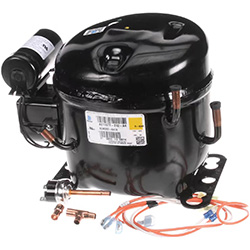
- Compressors: Compressors are the core component of an air conditioning or refrigeration system, circulating refrigerant through the coils to move heat in or out of a space. Replacement compressors need to match the system's refrigerant type, voltage, and capacity exactly, making this one of the more technical replacement decisions a technician makes. A failed compressor is often the deciding factor in whether a homeowner repairs or replaces an aging system.
Buying Guide
Identify whether the job is a repair or a new installation first. Repairs call for parts that match the existing equipment's specifications exactly, while new installations offer more flexibility to choose components based on the space and performance goals.
Match electrical and refrigerant specifications precisely. Capacitors, motors, and compressors all have specific voltage, capacity, or refrigerant-type requirements, and installing a mismatched part can shorten equipment life or void a manufacturer warranty. Checking the nameplate on the existing unit before ordering avoids a wasted trip.
Consider the building type and duty cycle. Commercial and refrigeration equipment typically runs longer and harder than residential HVAC systems, so parts rated for continuous duty hold up better in those settings. HVAC Supplies spans both residential and commercial-grade components, so matching the part to the application matters as much as matching it to the equipment model.
Plan for seasonal timing. Ventilation fans, dehumidifiers, and air conditioning parts see the highest demand heading into warmer months. Heating components and humidifiers peak in the fall and winter. Ordering ahead of peak season helps avoid delays when a part is in high demand.
Factor in maintenance products alongside replacement parts. Coil cleaners, filters, and other consumables extend the life of the equipment being installed or repaired. Bundling them into the same order saves a return trip to the job site for routine maintenance items.
Frequently Asked Questions
How do I know if a capacitor has failed?
A failed capacitor often shows visible bulging or leaking on the casing. The usual symptom on the unit is a compressor or fan motor that hums but won't start. Testing with a multimeter against the rated microfarad value on the capacitor's label confirms whether it's out of range.
What's the difference between residential and commercial refrigeration parts?
Commercial refrigeration parts are built for continuous, heavy-duty operation since walk-in coolers and display cases run around the clock. Residential HVAC components are designed for cycling on and off. The two aren't generally interchangeable even when specs look similar on paper.
How often should HVAC coils be cleaned?
Most manufacturers recommend cleaning condenser and evaporator coils at least once a year as part of routine maintenance. Units in dusty or high-use environments may need more frequent attention. Dirty coils reduce heat transfer efficiency and can shorten compressor life over time.
Can I use any compressor as a replacement, or does it need to match the original?
A replacement compressor needs to match the original's refrigerant type, voltage, and capacity rating, since a mismatch can damage the system or cause it to run inefficiently.
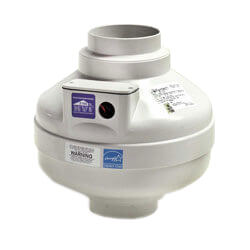
When should ventilation fans be serviced or replaced?
Ventilation fans typically need service when airflow noticeably drops or the motor becomes noisy, both signs of bearing wear or a failing motor. Most residential exhaust fans last eight to ten years under normal use before replacement becomes more practical than repair.
Resources
Subcategories
- Air Cleaners: Air cleaners filter dust, pollen, and other particulates out of the air as it circulates through a home or building's HVAC system. They work alongside or in place of a standard furnace filter. Technicians typically size and install them based on the system's airflow rating and the level of filtration the homeowner wants. Media-style and electronic air cleaners are common upgrades during furnace or air handler replacement.
- Air Conditioning Installation Parts: Air conditioning installation parts include the line sets, mounting pads, disconnects, and other accessories needed to get a new AC unit up and running. Technicians select these based on the equipment being installed and the layout of the job site. Line set length and mounting requirements vary from one installation to the next. Having the right installation parts on hand keeps a system startup from stalling over a missing accessory.
- Capacitors: Capacitors store and release electrical energy. They help start and run motors in air conditioners, heat pumps, and furnaces. Technicians match replacement capacitors to the exact microfarad rating and voltage of the original part, since an incorrect rating can shorten motor life or prevent startup. Capacitor failure is one of the most common reasons a system won't start on a service call.
- Chemicals & Cleaners: Chemicals and cleaners cover the coil cleaners, refrigerant additives, and other maintenance products technicians use to keep HVAC equipment running efficiently. Regular coil cleaning is a standard part of preventive maintenance since dirty coils reduce a system's ability to transfer heat. Technicians choose cleaners based on the coil material and whether the unit is in use during the cleaning.
- Compressors: Compressors are the core component of an air conditioning or refrigeration system, circulating refrigerant through the coils to move heat in or out of a space. Replacement compressors need to match the system's refrigerant type, voltage, and capacity exactly, making this one of the more technical replacement decisions a technician makes. A failed compressor is often the deciding factor in whether a homeowner repairs or replaces an aging system.
Buying Guide
Identify whether the job is a repair or a new installation first. Repairs call for parts that match the existing equipment's specifications exactly, while new installations offer more flexibility to choose components based on the space and performance goals.
Match electrical and refrigerant specifications precisely. Capacitors, motors, and compressors all have specific voltage, capacity, or refrigerant-type requirements, and installing a mismatched part can shorten equipment life or void a manufacturer warranty. Checking the nameplate on the existing unit before ordering avoids a wasted trip.
Consider the building type and duty cycle. Commercial and refrigeration equipment typically runs longer and harder than residential HVAC systems, so parts rated for continuous duty hold up better in those settings. HVAC Supplies spans both residential and commercial-grade components, so matching the part to the application matters as much as matching it to the equipment model.
Plan for seasonal timing. Ventilation fans, dehumidifiers, and air conditioning parts see the highest demand heading into warmer months. Heating components and humidifiers peak in the fall and winter. Ordering ahead of peak season helps avoid delays when a part is in high demand.
Factor in maintenance products alongside replacement parts. Coil cleaners, filters, and other consumables extend the life of the equipment being installed or repaired. Bundling them into the same order saves a return trip to the job site for routine maintenance items.
Frequently Asked Questions
How do I know if a capacitor has failed?
A failed capacitor often shows visible bulging or leaking on the casing. The usual symptom on the unit is a compressor or fan motor that hums but won't start. Testing with a multimeter against the rated microfarad value on the capacitor's label confirms whether it's out of range.
What's the difference between residential and commercial refrigeration parts?
Commercial refrigeration parts are built for continuous, heavy-duty operation since walk-in coolers and display cases run around the clock. Residential HVAC components are designed for cycling on and off. The two aren't generally interchangeable even when specs look similar on paper.
How often should HVAC coils be cleaned?
Most manufacturers recommend cleaning condenser and evaporator coils at least once a year as part of routine maintenance. Units in dusty or high-use environments may need more frequent attention. Dirty coils reduce heat transfer efficiency and can shorten compressor life over time.
Can I use any compressor as a replacement, or does it need to match the original?
A replacement compressor needs to match the original's refrigerant type, voltage, and capacity rating, since a mismatch can damage the system or cause it to run inefficiently.
When should ventilation fans be serviced or replaced?
Ventilation fans typically need service when airflow noticeably drops or the motor becomes noisy, both signs of bearing wear or a failing motor. Most residential exhaust fans last eight to ten years under normal use before replacement becomes more practical than repair.