



Filters
SORT
Product Availability –
Size –
Review Score –
 --%3E %3Csvg version='1.1' id='Fill' xmlns='http://www.w3.org/2000/svg' xmlns:xlink='http://www.w3.org/1999/xlink' x='0px' y='0px' viewBox='0 0 100 100' enable-background='new 0 0 100 100' xml:space='preserve'%3E %3Cpath fill='%23F15C02' d='M79.44,0.95H20.56C9.78,0.95,0.95,9.78,0.95,20.56v58.87c0,10.79,8.82,19.61,19.61,19.61h58.87 c10.79,0,19.61-8.83,19.61-19.61V20.56C99.05,9.78,90.22,0.95,79.44,0.95z M65.38,58.24l9.38,29.58L49.69,69.78L24.5,87.82 l9.34-29.6L8.8,39.6l30.73-0.17c0,0,6.98-19.61,10-28.93c0.54,1.36,9.88,29.1,9.88,29.1H91.2L65.38,58.24z'/%3E %3C/svg%3E)
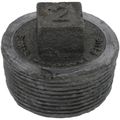
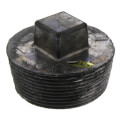
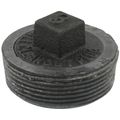
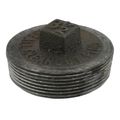
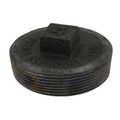
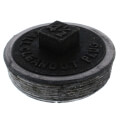
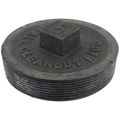
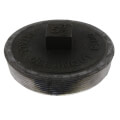
Lead Fit-All Plugs

 --%3E %3Csvg version='1.1' id='No-RB' xmlns='http://www.w3.org/2000/svg' xmlns:xlink='http://www.w3.org/1999/xlink' x='0px' y='0px' viewBox='0 0 100 100' enable-background='new 0 0 100 100' xml:space='preserve'%3E %3Cpath fill='%23CECECE' d='M79.44,0.95H20.56C9.78,0.95,0.95,9.78,0.95,20.56v58.87c0,10.79,8.82,19.61,19.61,19.61h58.87 c10.79,0,19.61-8.83,19.61-19.61V20.56C99.05,9.78,90.22,0.95,79.44,0.95z M65.38,58.24l9.38,29.58L49.69,69.78L24.5,87.82 l9.34-29.6L8.8,39.6l30.73-0.17c0,0,6.98-19.61,10-28.93c0.54,1.36,9.88,29.1,9.88,29.1H91.2L65.38,58.24z'/%3E %3C/svg%3E)

 --%3E %3Csvg version='1.1' id='Half' xmlns='http://www.w3.org/2000/svg' xmlns:xlink='http://www.w3.org/1999/xlink' x='0px' y='0px' viewBox='0 0 100 100' enable-background='new 0 0 100 100' xml:space='preserve'%3E %3Cg%3E %3Cpath fill='%23F15C02' d='M30.05,70.23l3.79-12.01L8.8,39.6l30.73-0.17c0,0,6.98-19.61,10-28.93c0.54,1.36,9.88,29.1,9.88,29.1h1.58 L93.71,7.18c-3.58-3.82-8.66-6.23-14.28-6.23H20.56C9.78,0.95,0.95,9.78,0.95,20.56v58.87c0,5.41,2.22,10.32,5.79,13.88 L30.05,70.23z'/%3E %3C/g%3E %3Cpath fill='%23FBC8B4' d='M93.71,7.18L60.98,39.6H91.2L65.38,58.24l9.38,29.58L49.69,69.78L24.5,87.82l5.55-17.59L6.75,93.32 c3.55,3.54,8.44,5.73,13.82,5.73h58.87c10.79,0,19.61-8.83,19.61-19.61V20.56C99.05,15.4,97.01,10.69,93.71,7.18z'/%3E %3C/svg%3E)
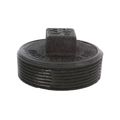
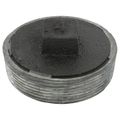


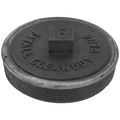
Lead Fit-All Plugs seal a cleanout opening on cast iron drain, waste, and vent piping, giving a plumber a way to access the line for clearing a blockage or running a video inspection without permanently capping it. The lead core lets the plug seat snugly when driven into a cleanout fitting, creating a tight seal against the cast iron threads without needing a separate gasket. Sizes typically range from 2 inches up to 4 and a half inches to match common cleanout fitting diameters found on residential and commercial DWV systems. Keeping a few sizes on the truck means a plumber isn't stuck improvising a fix with the wrong-diameter plug when a cleanout needs to be reopened and resealed on the same call.
Subcategories
- Threaded Fit-All Plugs: Threaded fit-all plugs screw directly into a cleanout fitting's female threads using a male pipe thread pattern machined into the lead and cast iron combination body. Plumbers favor this style for cleanouts they expect to reopen periodically, since a threaded connection comes apart cleanly with a wrench rather than needing to be cut or drilled out.
- Raised Head Fit-All Plugs: Raised head plugs have a taller, more pronounced head above the plug body, giving a wrench more surface to grip when the plug has been in place long enough to corrode or seize slightly. Cleanouts in tight crawl spaces or behind fixtures benefit from the extra grip surface, since there's often little room to maneuver a wrench for extra leverage.
- Countersunk Fit-All Plugs: Countersunk plugs sit flush with or below the surrounding floor or wall surface once installed, which matters on finished floor cleanouts where a protruding plug head would be a trip hazard or an eyesore. Installers use them on floor-mounted cleanouts in finished basements, garages, and commercial spaces where the cleanout needs to blend into the surrounding surface.
Buying Guide
Match the plug diameter to the cleanout fitting's opening exactly, since a plug that's even slightly undersized won't seat tight enough to hold back sewer gas or wastewater, and an oversized plug won't thread in at all. Measuring the existing cleanout fitting, rather than guessing from the pipe's nominal diameter, avoids a wasted trip back to the supply house.
Head style matters based on where the cleanout sits. A raised head gives more wrench purchase on a cleanout that's corroded or hard to reach, while a countersunk design keeps a floor-mounted cleanout from becoming a trip hazard in a finished space. Picking the wrong style for the location either makes future removal harder or leaves an unsafe protrusion underfoot.
Lead Fit-All Plugs rely on the softness of the lead core to create a seal against the cast iron threads, so overtightening can deform the plug without actually improving the seal, while undertightening leaves a path for gas or water to seep past the threads. A firm hand-tight fit followed by a modest turn with a wrench is usually enough, since forcing it further tends to damage the plug rather than improve the connection.
Keeping a small range of sizes on hand covers most residential cleanout work, since a handful of common diameters account for the vast majority of DWV cleanout fittings encountered in the field.
Frequently Asked Questions
How tight should a lead fit-all plug be installed?
A firm hand-tight fit followed by a modest turn with a wrench is typically enough to seal the plug against the cast iron threads. Overtightening can deform the soft lead core without improving the seal, and in some cases makes the plug harder to remove later.
What size lead fit-all plug is needed for a cleanout?
Measuring the cleanout fitting's opening directly, rather than assuming it matches the nominal pipe size, gives the most reliable size match. Cleanout fittings can vary slightly between manufacturers even at the same nominal pipe size, so a direct measurement avoids an undersized or oversized plug.
What's the difference between a raised head and countersunk plug?
A raised head plug has a taller head that gives a wrench more surface to grip, useful on a cleanout that's corroded or in a tight space. A countersunk plug sits flush with the surrounding surface, which matters on a finished floor cleanout where a protruding head would be a trip hazard.
Can a lead fit-all plug be reused after removal?
A plug that's been removed cleanly without damaging the lead threads can sometimes go back in, but a plug that shows visible deformation from overtightening or corrosion should be replaced rather than reinstalled. Reusing a damaged plug risks a seal that fails under pressure.
Why is sewer gas smell coming from around a cleanout after installing a new plug?
A persistent smell usually points to an undersized plug that isn't seated tight against the cleanout threads, or a plug that's cracked from overtightening during installation. Rechecking the plug's fit and confirming it wasn't overtightened during installation resolves most of these cases.
