




Line Service Valves

 --%3E %3Csvg version='1.1' id='No-RB' xmlns='http://www.w3.org/2000/svg' xmlns:xlink='http://www.w3.org/1999/xlink' x='0px' y='0px' viewBox='0 0 100 100' enable-background='new 0 0 100 100' xml:space='preserve'%3E %3Cpath fill='%23CECECE' d='M79.44,0.95H20.56C9.78,0.95,0.95,9.78,0.95,20.56v58.87c0,10.79,8.82,19.61,19.61,19.61h58.87 c10.79,0,19.61-8.83,19.61-19.61V20.56C99.05,9.78,90.22,0.95,79.44,0.95z M65.38,58.24l9.38,29.58L49.69,69.78L24.5,87.82 l9.34-29.6L8.8,39.6l30.73-0.17c0,0,6.98-19.61,10-28.93c0.54,1.36,9.88,29.1,9.88,29.1H91.2L65.38,58.24z'/%3E %3C/svg%3E)

 --%3E %3Csvg version='1.1' id='Fill' xmlns='http://www.w3.org/2000/svg' xmlns:xlink='http://www.w3.org/1999/xlink' x='0px' y='0px' viewBox='0 0 100 100' enable-background='new 0 0 100 100' xml:space='preserve'%3E %3Cpath fill='%23F15C02' d='M79.44,0.95H20.56C9.78,0.95,0.95,9.78,0.95,20.56v58.87c0,10.79,8.82,19.61,19.61,19.61h58.87 c10.79,0,19.61-8.83,19.61-19.61V20.56C99.05,9.78,90.22,0.95,79.44,0.95z M65.38,58.24l9.38,29.58L49.69,69.78L24.5,87.82 l9.34-29.6L8.8,39.6l30.73-0.17c0,0,6.98-19.61,10-28.93c0.54,1.36,9.88,29.1,9.88,29.1H91.2L65.38,58.24z'/%3E %3C/svg%3E)
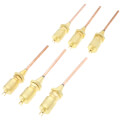
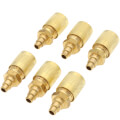
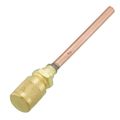
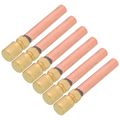
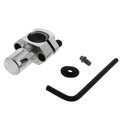
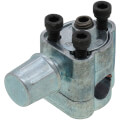
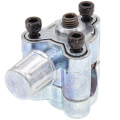
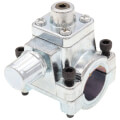
 --%3E %3Csvg version='1.1' id='Half' xmlns='http://www.w3.org/2000/svg' xmlns:xlink='http://www.w3.org/1999/xlink' x='0px' y='0px' viewBox='0 0 100 100' enable-background='new 0 0 100 100' xml:space='preserve'%3E %3Cg%3E %3Cpath fill='%23F15C02' d='M30.05,70.23l3.79-12.01L8.8,39.6l30.73-0.17c0,0,6.98-19.61,10-28.93c0.54,1.36,9.88,29.1,9.88,29.1h1.58 L93.71,7.18c-3.58-3.82-8.66-6.23-14.28-6.23H20.56C9.78,0.95,0.95,9.78,0.95,20.56v58.87c0,5.41,2.22,10.32,5.79,13.88 L30.05,70.23z'/%3E %3C/g%3E %3Cpath fill='%23FBC8B4' d='M93.71,7.18L60.98,39.6H91.2L65.38,58.24l9.38,29.58L49.69,69.78L24.5,87.82l5.55-17.59L6.75,93.32 c3.55,3.54,8.44,5.73,13.82,5.73h58.87c10.79,0,19.61-8.83,19.61-19.61V20.56C99.05,15.4,97.01,10.69,93.71,7.18z'/%3E %3C/svg%3E)
 --%3E %3Csvg version='1.1' id='With-RB' xmlns='http://www.w3.org/2000/svg' xmlns:xlink='http://www.w3.org/1999/xlink' x='0px' y='0px' viewBox='0 0 100 100' enable-background='new 0 0 100 100' xml:space='preserve'%3E %3Cpath fill='%23FBC8B4' d='M79.44,0.95H20.56C9.78,0.95,0.95,9.78,0.95,20.56v58.87c0,10.79,8.82,19.61,19.61,19.61h58.87 c10.79,0,19.61-8.83,19.61-19.61V20.56C99.05,9.78,90.22,0.95,79.44,0.95z M65.38,58.24l9.38,29.58L49.69,69.78L24.5,87.82 l9.34-29.6L8.8,39.6l30.73-0.17c0,0,6.98-19.61,10-28.93c0.54,1.36,9.88,29.1,9.88,29.1H91.2L65.38,58.24z'/%3E %3C/svg%3E)
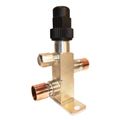
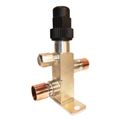
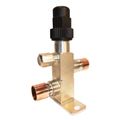
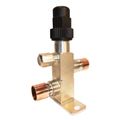

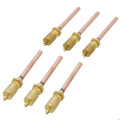
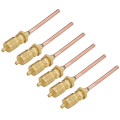
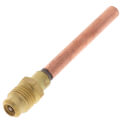
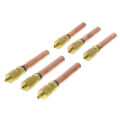
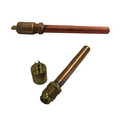
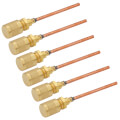
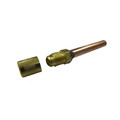
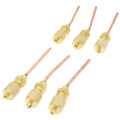
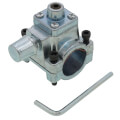
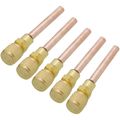
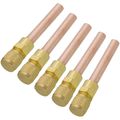
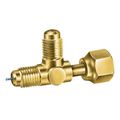
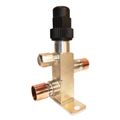
Line service valves are refrigerant line fittings that let technicians isolate a section of piping for service without recovering the full system charge. Installed in the liquid or suction line, a service valve gives a technician a dedicated port to attach gauges, pull a vacuum, or add refrigerant during startup and maintenance work.
Valves come in ball, diaphragm, and other body styles suited to different pressure ranges and refrigerant types found in air conditioning and refrigeration systems. Choosing a valve rated for the system pressure and refrigerant in use keeps the connection sealed under normal operating conditions and during service work alike. Technicians installing new equipment or retrofitting an older line often add a service valve specifically to make future maintenance faster without cutting into the line again.
Subcategories
- Ball Type Service Valves: Ball type valves use a full port opening for minimal flow restriction, which suits suction lines where pressure drop affects overall system performance. Technicians favor these where flow area matters more than a tighter seal.
- Diaphragm Packed Valves: Diaphragm packed valves use a flexible seal against the valve stem to guard against refrigerant loss, which some crews prefer on liquid lines where even a small leak adds up in lost charge over time. They trade some flow area for that tighter seal.
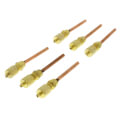
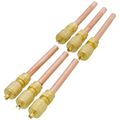
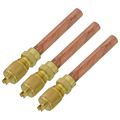
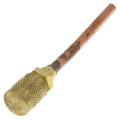
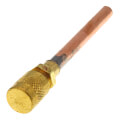
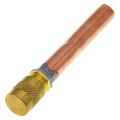
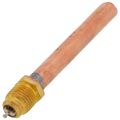
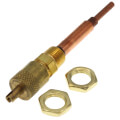
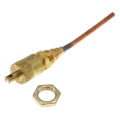
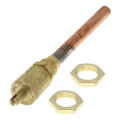
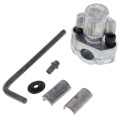
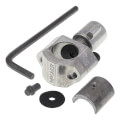
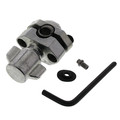
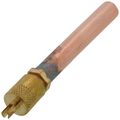
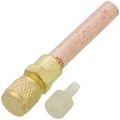
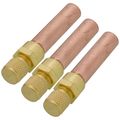
- Access Fittings and Ports: Access fittings add a schrader style port to an existing line so a technician can attach gauges or a charging hose without installing a full service valve. Crews use these for a quick diagnostic tap on a line that does not already have dedicated service access.
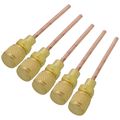
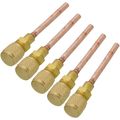
- Replacement Valve Cores and Caps: Replacement cores and caps keep an existing service valve sealed after normal wear, since a worn core or a loose cap is a common source of a slow refrigerant leak. Shops stock these parts to complete a repair without replacing the entire valve body.
Buying Guide
Selecting a line service valve starts with confirming the line size and refrigerant type the valve needs to handle, since body materials and seal designs are rated for specific pressure ranges. A valve undersized for the system pressure risks a slow leak at the packing or seat, while an oversized valve adds unnecessary cost and bulk to a line that does not need it.
Ball type valves suit technicians who want a full port opening with minimal flow restriction, which matters most on suction lines where pressure drop affects system performance. Diaphragm packed valves trade some flow area for a tighter seal against refrigerant loss, which some technicians prefer on liquid lines.
Connection style also narrows the choice. Sweat connections suit new construction where a technician is already brazing the line, while flare fittings allow a valve to be added to an existing line without heat. Technicians retrofitting older equipment often reach for flare style valves specifically to avoid brazing near existing refrigerant charge or sensitive components.
Line Service Valves purchased with matching valve cores, caps, and gaskets keep a repair complete in one order rather than requiring a separate trip for a missing part. Reviewing line size, refrigerant type, and connection style together narrows the valve selection to one that will seal correctly on the first installation.
Frequently Asked Questions
What is the purpose of a line service valve?
A line service valve gives a technician a dedicated point to attach gauges, pull a vacuum, or add refrigerant without opening the full system to the atmosphere. It also lets a technician isolate a section of line for repair without recovering the entire refrigerant charge.
What is the difference between a ball valve and a diaphragm valve on a refrigerant line?
A ball valve uses a rotating ball with a full port opening to control flow, offering less resistance than a diaphragm design. A diaphragm packed valve uses a flexible seal against the valve stem, which some technicians prefer for its tighter seal against refrigerant loss.
When should a line service valve be replaced instead of repaired?
A valve with a damaged seat, a cracked body, or packing that no longer holds a seal under pressure typically needs replacement rather than repair. Continuing to service a compromised valve risks a refrigerant leak that grows worse over time.
Can line service valves be added to an existing refrigerant line?
Flare style service valves can often be added to an existing line without brazing, making them a practical option for a retrofit. Sweat style valves require brazing and suit new line installations where the technician is already applying heat to the joint.
What maintenance do line service valves need?
Line service valves benefit from a periodic check of the valve cap and core for a tight seal, since a loose cap is a common source of a slow refrigerant leak. Replacing a worn core or cap costs little compared to the refrigerant lost through an undetected leak.
