




Filters
SORT
Product Availability –
Voltage –
Amperage –
Poles –
Review Score –
 --%3E %3Csvg version='1.1' id='Fill' xmlns='http://www.w3.org/2000/svg' xmlns:xlink='http://www.w3.org/1999/xlink' x='0px' y='0px' viewBox='0 0 100 100' enable-background='new 0 0 100 100' xml:space='preserve'%3E %3Cpath fill='%23F15C02' d='M79.44,0.95H20.56C9.78,0.95,0.95,9.78,0.95,20.56v58.87c0,10.79,8.82,19.61,19.61,19.61h58.87 c10.79,0,19.61-8.83,19.61-19.61V20.56C99.05,9.78,90.22,0.95,79.44,0.95z M65.38,58.24l9.38,29.58L49.69,69.78L24.5,87.82 l9.34-29.6L8.8,39.6l30.73-0.17c0,0,6.98-19.61,10-28.93c0.54,1.36,9.88,29.1,9.88,29.1H91.2L65.38,58.24z'/%3E %3C/svg%3E)
Price Range –
Mars 780 Contactors

 --%3E %3Csvg version='1.1' id='No-RB' xmlns='http://www.w3.org/2000/svg' xmlns:xlink='http://www.w3.org/1999/xlink' x='0px' y='0px' viewBox='0 0 100 100' enable-background='new 0 0 100 100' xml:space='preserve'%3E %3Cpath fill='%23CECECE' d='M79.44,0.95H20.56C9.78,0.95,0.95,9.78,0.95,20.56v58.87c0,10.79,8.82,19.61,19.61,19.61h58.87 c10.79,0,19.61-8.83,19.61-19.61V20.56C99.05,9.78,90.22,0.95,79.44,0.95z M65.38,58.24l9.38,29.58L49.69,69.78L24.5,87.82 l9.34-29.6L8.8,39.6l30.73-0.17c0,0,6.98-19.61,10-28.93c0.54,1.36,9.88,29.1,9.88,29.1H91.2L65.38,58.24z'/%3E %3C/svg%3E)


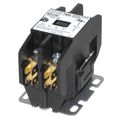
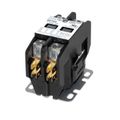
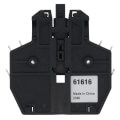
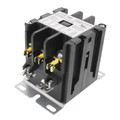
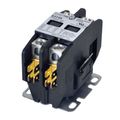
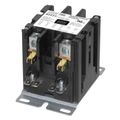
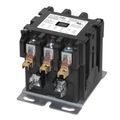
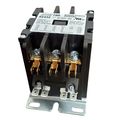
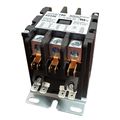
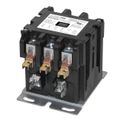
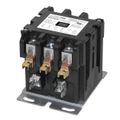
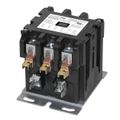
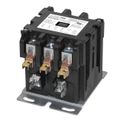
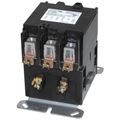
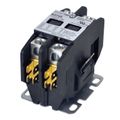
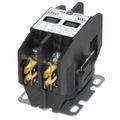
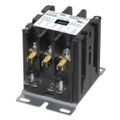

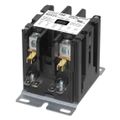
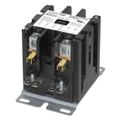
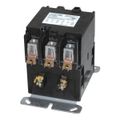
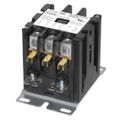
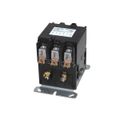

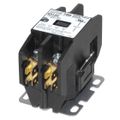
Mars 780 series contactors are electromechanical switches used in HVAC and refrigeration control circuits to energize high-current loads such as compressors, condenser fans, and other motors from a lower-voltage control signal. A coil inside the contactor pulls a set of contacts closed when energized by the thermostat or control board, completing the circuit that powers the connected motor, and releases the contacts when the control signal drops. Technicians select a contactor based on the number of poles needed, matching single-pole, two-pole, or three-pole versions to whether the circuit involves a single motor leg or a full three-phase load. Coil voltage also has to match the control circuit, since a contactor built for a different voltage will not pull in properly or may burn out prematurely. HVAC and refrigeration technicians commonly replace a failed contactor as part of a service call when a compressor or condenser fan fails to start despite receiving a control signal.
Subcategories
- Single-Pole Contactors: Single-pole contactors switch one leg of a circuit and are common on residential condensing units and other single-phase loads where only one line needs to be interrupted. A single set of contacts closes when the coil is energized, completing the circuit to the connected motor or component. Technicians replacing a failed single-pole contactor confirm coil voltage and current rating match the original before installing a substitute. The single-pole style is generally the simplest and least expensive of the Mars 780 contactor options.
- Two-Pole Contactors: Two-pole contactors switch two circuit legs simultaneously, commonly found on residential and light commercial air conditioning and heat pump systems with a compressor and condenser fan sharing a contactor. Both sets of contacts close together when the coil energizes, so a single failure point controls power to multiple components at once. Technicians confirm both pole ratings match the connected loads before swapping in a replacement. The two-pole configuration is widely used across residential split-system air conditioning equipment.
- Three-Pole Contactors: Three-pole contactors handle three-phase motor loads typically found in commercial refrigeration and larger HVAC equipment, switching all three phases simultaneously to start and stop the connected motor. Commercial rooftop units, larger chillers, and three-phase compressors commonly use this contactor style. Technicians confirm the contactor's current rating exceeds the motor's full-load amperage before installation to avoid premature failure. Coil voltage on three-pole units still typically matches the low-voltage control circuit even though the load side carries three-phase power.
- Replacement Coils and Accessories: Replacement coils let a technician restore a contactor's function without swapping the entire assembly, provided the contact set itself is still in good condition. Coils are rated for a specific voltage and must match the control circuit exactly, since an incorrect voltage coil will not pull the contacts in reliably. Auxiliary contacts, coil covers, and mounting hardware round out the accessory options available for servicing an existing contactor. Technicians carrying a range of coil voltages on a truck can address more contactor failures without a return trip for the correct part.
Buying Guide
Selecting the correct contactor starts with the number of poles required by the circuit being served. Single-pole contactors suit single-phase loads switching one leg, two-pole units handle common residential air conditioning setups where a compressor and condenser fan share one contactor, and three-pole versions are needed for three-phase commercial and larger refrigeration equipment.
Coil voltage is the next critical match. Mars 780 Contactors are available in multiple coil voltages, and installing one that does not match the control circuit's voltage results in a contactor that either fails to pull in or burns out shortly after installation. Checking the original contactor's coil voltage rating, typically printed on the coil itself or the contactor body, before ordering a replacement avoids this mismatch.
Current rating on the load side needs to exceed the connected motor's full-load amperage with a reasonable safety margin, since undersizing a contactor for the connected load leads to overheating and premature contact failure. Technicians servicing an existing failure should also inspect the contacts themselves, since pitted or burned contacts sometimes indicate an underlying electrical issue, such as a failing motor or a loose connection, that a new contactor alone will not resolve. Addressing that underlying cause alongside the contactor replacement helps prevent a repeat failure.
Frequently Asked Questions
How is the correct number of poles determined for a contactor replacement?
The circuit being served determines pole count: a single-phase leg needs one pole, a common compressor-and-fan setup on residential equipment typically needs two poles, and a three-phase load needs three poles. Matching the replacement to the original contactor's pole configuration is the most direct way to confirm the correct choice. Checking the existing wiring at the contactor before removing it helps confirm which configuration is actually in use.
What happens if a contactor's coil voltage does not match the control circuit?
A mismatched coil voltage generally means the contactor either fails to pull the contacts closed or draws excessive current and burns out shortly after being energized. Coil voltage is typically printed on the coil or contactor housing, and confirming that rating against the control circuit's voltage before installation prevents this problem. Reusing the original contactor's coil rating for a replacement is the most reliable approach when the rating is legible.
Can a contactor be repaired instead of fully replaced?
In some cases, replacing just the coil restores function if the contact set is still in good condition, since coils are available separately as replacement parts. Contacts that are pitted, burned, or worn typically call for full contactor replacement rather than a coil swap alone. Technicians generally inspect both the coil and contacts to determine whether a partial or full replacement is the more appropriate repair.
What causes a contactor to fail prematurely?
Undersized current rating relative to the connected motor's full-load amperage is a common cause, since the resulting heat gradually degrades the contacts. Voltage spikes, frequent cycling, and underlying electrical issues such as a failing motor or loose connection can also shorten a contactor's service life. Addressing any underlying electrical problem alongside a contactor replacement helps prevent a repeat failure shortly after service.
Are Mars 780 contactors compatible with other HVAC and refrigeration equipment brands?
Contactors are generally compatible across brands as long as pole count, coil voltage, and current rating match the application's requirements, since a contactor is a standardized electrical component rather than a brand-specific part. Confirming these three specifications against the original contactor is more important than matching the equipment manufacturer. Technicians commonly cross-reference contactor specifications rather than relying on brand name alone when sourcing a replacement.
