




Roof Hydrants


 --%3E %3Csvg version='1.1' id='Fill' xmlns='http://www.w3.org/2000/svg' xmlns:xlink='http://www.w3.org/1999/xlink' x='0px' y='0px' viewBox='0 0 100 100' enable-background='new 0 0 100 100' xml:space='preserve'%3E %3Cpath fill='%23F15C02' d='M79.44,0.95H20.56C9.78,0.95,0.95,9.78,0.95,20.56v58.87c0,10.79,8.82,19.61,19.61,19.61h58.87 c10.79,0,19.61-8.83,19.61-19.61V20.56C99.05,9.78,90.22,0.95,79.44,0.95z M65.38,58.24l9.38,29.58L49.69,69.78L24.5,87.82 l9.34-29.6L8.8,39.6l30.73-0.17c0,0,6.98-19.61,10-28.93c0.54,1.36,9.88,29.1,9.88,29.1H91.2L65.38,58.24z'/%3E %3C/svg%3E)


 --%3E %3Csvg version='1.1' id='No-RB' xmlns='http://www.w3.org/2000/svg' xmlns:xlink='http://www.w3.org/1999/xlink' x='0px' y='0px' viewBox='0 0 100 100' enable-background='new 0 0 100 100' xml:space='preserve'%3E %3Cpath fill='%23CECECE' d='M79.44,0.95H20.56C9.78,0.95,0.95,9.78,0.95,20.56v58.87c0,10.79,8.82,19.61,19.61,19.61h58.87 c10.79,0,19.61-8.83,19.61-19.61V20.56C99.05,9.78,90.22,0.95,79.44,0.95z M65.38,58.24l9.38,29.58L49.69,69.78L24.5,87.82 l9.34-29.6L8.8,39.6l30.73-0.17c0,0,6.98-19.61,10-28.93c0.54,1.36,9.88,29.1,9.88,29.1H91.2L65.38,58.24z'/%3E %3C/svg%3E)

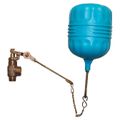
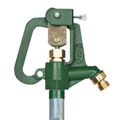
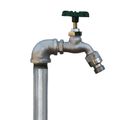

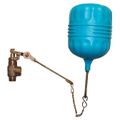
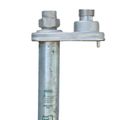

Roof hydrants are freeze-resistant water outlets installed on rooftops to give building maintenance crews and window washers a hose connection without running a supply line from ground level. A recessed or self-draining valve design keeps standing water out of the exposed piping above the roofline, which is what lets these fixtures survive winter weather that would split an ordinary hose bib. Property managers and mechanical contractors specify roof hydrants on commercial and multi-story buildings for cooling tower makeup water, roof washdown, condenser cleaning, and general maintenance access where a ground-level spigot isn't practical. The valve handle sits at the roof surface while the actual shutoff mechanism is set back inside the wall or riser, so the water column drains out of the exposed section after each use instead of sitting exposed to freezing temperatures. Any building with rooftop mechanical equipment, a cooling tower, or a roof deck that needs periodic washdown is a candidate for this category.
Subcategories
- Wall-Mounted Roof Hydrants: Wall-mounted roof hydrants anchor to a parapet wall or vertical structure near the roof edge, keeping the fixture off the walking surface of the roof deck. A mechanical contractor typically ties the supply line into the same riser that feeds a cooling tower or rooftop unit. This mounting style suits buildings where the parapet gives a clean, accessible spot to route piping without penetrating the roof membrane a second time. Roofing crews prefer wall mounting because it keeps the hydrant out of foot-traffic paths during maintenance work.
- Deck-Mounted Roof Hydrants: Deck-mounted roof hydrants come straight up through the roof surface itself, which suits flat roofs without a usable parapet wall nearby. The penetration point needs proper flashing and sealing to keep the roof membrane watertight around the riser. Facilities teams use this style when the mechanical room or riser chase sits in the middle of the roof rather than along an edge. Getting the flashing detail right at installation matters more here than with wall-mounted units since a leak at a deck penetration can damage the space below.
- Freeze-Resistant Self-Draining Hydrants: Self-draining hydrants use a valve seat set below the frost line inside the building envelope, so closing the handle lets the exposed section of pipe empty by gravity after each use. This is the feature that distinguishes a true roof hydrant from a standard exterior hose bib, which can freeze and split in cold climates. Buildings in northern climates rely on this design specifically to avoid winter freeze damage on an otherwise unheated rooftop. Contractors should confirm the drain-back length matches the wall or riser depth on the specific building before ordering.
- Roof Hydrant Boxes and Covers: Roof hydrant boxes and covers protect the exposed handle and valve face from weather, debris, and unauthorized use between service visits. A locking cover keeps unauthorized users from opening a hydrant on buildings where the water access needs to stay restricted to maintenance staff. Insulated covers add another layer of freeze protection in especially cold climates on top of the self-draining valve design. Facilities managers order these as an accessory alongside the hydrant itself rather than as a standalone fixture.
Buying Guide
Start a roof hydrant selection with the mounting location. A parapet wall near the riser chase favors a wall-mounted hydrant, while a roof deck without a nearby wall calls for a deck-mounted unit that penetrates the membrane directly. Getting this decision right early avoids rerouting piping mid-installation.
Freeze protection is the next consideration, and it isn't optional in any climate that sees winter temperatures below freezing. Confirm the hydrant's self-draining feature and the length of its drain-back section match the wall thickness or riser depth on the actual building, since a mismatch leaves water trapped in the exposed section anyway.
Material and finish matter for buildings with exposed rooftop equipment near coastal areas or heavy industrial exhaust, where a standard finish can corrode faster than expected. Roof hydrants intended for long-term exterior exposure typically use corrosion-resistant materials on the exposed components for this reason.
Flow requirements depend on the intended use. A hydrant feeding occasional washdown work needs less capacity than one supplying makeup water to a cooling tower, so match the connection size and valve capacity to the actual demand rather than defaulting to whatever was specified on a past project.
Finally, plan for the accessory hardware. A locking box or insulated cover protects the fixture between uses and should be ordered alongside the hydrant rather than as an afterthought, especially on buildings where roof access isn't tightly controlled.
Frequently Asked Questions
What makes a roof hydrant different from a regular outdoor hose bib?
A roof hydrant sets its shutoff valve back inside the wall or riser below the frost line, so the exposed section of pipe drains empty after each use instead of holding standing water. A standard hose bib doesn't have that self-draining feature, which is why it can freeze and split if left exposed on an unheated rooftop through winter.
Should a roof hydrant be wall-mounted or deck-mounted?
Wall-mounted units work best when a parapet wall sits near the riser chase, keeping the fixture off the roof deck's walking surface. Deck-mounted units are the better fit on flat roofs without a nearby wall, though they need careful flashing where the riser penetrates the membrane.
Does a roof hydrant need a locking cover?
It depends on how controlled roof access already is. Buildings where maintenance staff, tenants, or contractors can reach the roof without supervision generally benefit from a locking cover to keep water use restricted to authorized personnel.
What is a roof hydrant typically used for on a commercial building?
Common uses include cooling tower makeup water, condenser and roof washdown, and general maintenance access for crews working on rooftop equipment. The right connection size and valve capacity depend on which of these uses the hydrant is meant to serve.
Can a roof hydrant be added to an existing building without a rooftop water line?
Yes, but it requires tying into an existing riser or running new supply piping up to the roof, which is a bigger job than replacing an existing hydrant. A mechanical contractor should evaluate the building's existing risers before quoting the work to confirm there's a practical tie-in point.
