




Filters
SORT
Product Availability –
Category –
Length (Feet) –
BTU Output –
Color –
Review Score –
 --%3E %3Csvg version='1.1' id='Fill' xmlns='http://www.w3.org/2000/svg' xmlns:xlink='http://www.w3.org/1999/xlink' x='0px' y='0px' viewBox='0 0 100 100' enable-background='new 0 0 100 100' xml:space='preserve'%3E %3Cpath fill='%23F15C02' d='M79.44,0.95H20.56C9.78,0.95,0.95,9.78,0.95,20.56v58.87c0,10.79,8.82,19.61,19.61,19.61h58.87 c10.79,0,19.61-8.83,19.61-19.61V20.56C99.05,9.78,90.22,0.95,79.44,0.95z M65.38,58.24l9.38,29.58L49.69,69.78L24.5,87.82 l9.34-29.6L8.8,39.6l30.73-0.17c0,0,6.98-19.61,10-28.93c0.54,1.36,9.88,29.1,9.88,29.1H91.2L65.38,58.24z'/%3E %3C/svg%3E)
 --%3E %3Csvg version='1.1' id='With-RB' xmlns='http://www.w3.org/2000/svg' xmlns:xlink='http://www.w3.org/1999/xlink' x='0px' y='0px' viewBox='0 0 100 100' enable-background='new 0 0 100 100' xml:space='preserve'%3E %3Cpath fill='%23FBC8B4' d='M79.44,0.95H20.56C9.78,0.95,0.95,9.78,0.95,20.56v58.87c0,10.79,8.82,19.61,19.61,19.61h58.87 c10.79,0,19.61-8.83,19.61-19.61V20.56C99.05,9.78,90.22,0.95,79.44,0.95z M65.38,58.24l9.38,29.58L49.69,69.78L24.5,87.82 l9.34-29.6L8.8,39.6l30.73-0.17c0,0,6.98-19.61,10-28.93c0.54,1.36,9.88,29.1,9.88,29.1H91.2L65.38,58.24z'/%3E %3C/svg%3E)
Price Range –
Runtal Baseboard Radiators


 --%3E %3Csvg version='1.1' id='No-RB' xmlns='http://www.w3.org/2000/svg' xmlns:xlink='http://www.w3.org/1999/xlink' x='0px' y='0px' viewBox='0 0 100 100' enable-background='new 0 0 100 100' xml:space='preserve'%3E %3Cpath fill='%23CECECE' d='M79.44,0.95H20.56C9.78,0.95,0.95,9.78,0.95,20.56v58.87c0,10.79,8.82,19.61,19.61,19.61h58.87 c10.79,0,19.61-8.83,19.61-19.61V20.56C99.05,9.78,90.22,0.95,79.44,0.95z M65.38,58.24l9.38,29.58L49.69,69.78L24.5,87.82 l9.34-29.6L8.8,39.6l30.73-0.17c0,0,6.98-19.61,10-28.93c0.54,1.36,9.88,29.1,9.88,29.1H91.2L65.38,58.24z'/%3E %3C/svg%3E)


 --%3E %3Csvg version='1.1' id='Half' xmlns='http://www.w3.org/2000/svg' xmlns:xlink='http://www.w3.org/1999/xlink' x='0px' y='0px' viewBox='0 0 100 100' enable-background='new 0 0 100 100' xml:space='preserve'%3E %3Cg%3E %3Cpath fill='%23F15C02' d='M30.05,70.23l3.79-12.01L8.8,39.6l30.73-0.17c0,0,6.98-19.61,10-28.93c0.54,1.36,9.88,29.1,9.88,29.1h1.58 L93.71,7.18c-3.58-3.82-8.66-6.23-14.28-6.23H20.56C9.78,0.95,0.95,9.78,0.95,20.56v58.87c0,5.41,2.22,10.32,5.79,13.88 L30.05,70.23z'/%3E %3C/g%3E %3Cpath fill='%23FBC8B4' d='M93.71,7.18L60.98,39.6H91.2L65.38,58.24l9.38,29.58L49.69,69.78L24.5,87.82l5.55-17.59L6.75,93.32 c3.55,3.54,8.44,5.73,13.82,5.73h58.87c10.79,0,19.61-8.83,19.61-19.61V20.56C99.05,15.4,97.01,10.69,93.71,7.18z'/%3E %3C/svg%3E)


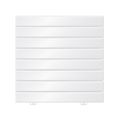


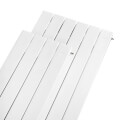


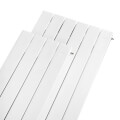

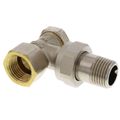

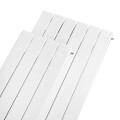

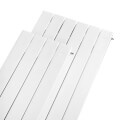
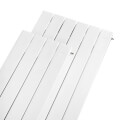
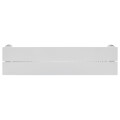


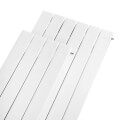


Runtal baseboard radiators are hydronic heating units that run hot water through a steel element to warm a room from floor level along an exterior wall. Unlike a bare fin-tube convector, Runtal's baseboard line uses a finned steel tube enclosed in a low-profile steel cover, giving off a mix of radiant and convective heat that feels warmer to the touch and spreads more evenly across a room. Installers choose this style over standard fin-tube baseboard when a homeowner wants a cleaner look along a wall without sacrificing heat output, or when a renovation calls for replacing older cast iron radiators with something slimmer. The steel cabinet resists dents and handles daily bumps from furniture and foot traffic better than lightweight aluminum-finned covers. Because the units connect into standard hydronic piping, they fit into existing boiler systems without requiring a change in water temperature or pump sizing, making them a straightforward swap during a heating system upgrade.
Subcategories
- Standard Baseboard Radiators: Standard Runtal baseboard units run in straight lengths along a wall, sized to match the heat loss of the room they serve. Installers select length based on a room-by-room heat loss calculation rather than simply matching the length of the wall available. The steel cabinet and finned element inside are built for continuous hydronic circulation rather than intermittent electric cycling. This style covers most residential retrofit and new construction heating needs.
- Corner and End Sections: Corner and end sections let a continuous run of baseboard radiator turn along an interior or exterior corner without a visible gap or exposed pipe. Contractors use these when a room's heat loss calls for more linear footage than a single wall can accommodate. Matching the cover profile and finish between the straight sections and corner pieces keeps the finished look consistent. Ordering the correct corner angle before installation avoids cutting or field-modifying a section.
- Radiant-Panel Baseboard Radiators: Radiant-panel style baseboard units add a flat steel radiant surface to the standard finned element, increasing the proportion of heat delivered as radiant warmth rather than convected air movement. Homeowners with dust or allergy sensitivities sometimes prefer this style because it reduces the air currents associated with pure convection heating. The added radiant panel changes the unit's output rating compared to a standard finned-only baseboard of the same length. Designers factor this into room-by-room heat loss calculations before specifying length.
- Accessories and Trim Kits: Trim kits, end caps, and wall brackets complete a baseboard radiator installation and give it a finished appearance where a run terminates or meets a doorway. Installers also use touch-up paint and cover clips to keep field cuts and seams looking factory finished. Keeping a stock of common trim pieces on hand speeds up both new installations and repairs on existing systems. Matching the trim finish to the radiator cover avoids a mismatched appearance along the wall.
Buying Guide
Selecting the right Runtal baseboard radiator starts with a heat loss calculation for the specific room, since baseboard length and output need to match the space rather than simply filling the available wall. A room with large windows or poor insulation typically needs more linear footage or a higher-output radiant-panel style than a smaller, well-insulated room of similar size. Skipping this step and guessing at length is one of the most common reasons a finished system underperforms in cold weather.
Water temperature and flow from the existing boiler or heat source also factor into the decision. Baseboard radiators are rated for output at a specific supply water temperature, so a system running lower temperatures, such as one paired with a condensing boiler set up for efficiency, may need additional linear footage to deliver the same heat as a system running hotter water. Reviewing the boiler's operating temperature before finalizing baseboard lengths keeps the finished system properly sized.
Layout planning matters as much as sizing. Runs that need to turn a corner, stop short of a doorway, or step around fixed obstacles require the correct combination of straight sections, corner pieces, and end caps ordered together rather than pieced together after the fact. Measuring the full wall run, noting any corners or obstructions, and ordering trim and accessories at the same time as the radiators themselves keeps an installation moving without a return trip for missing parts.
Frequently Asked Questions
Can Runtal baseboard radiators replace old cast iron radiators?
Yes, they connect into standard hydronic piping and can often use the existing boiler and piping layout with minor adjustments. The lower profile of the baseboard unit takes up less wall space than a cast iron radiator of similar output. Confirming the boiler's water temperature and flow rate against the new baseboard's output rating before installation helps size the run correctly.
How is a Runtal radiant-panel baseboard different from a standard finned baseboard?
A radiant-panel unit adds a flat steel surface to the finned element inside, increasing the share of heat delivered as radiant warmth instead of convected air movement. Homeowners sensitive to air currents from convection heating sometimes prefer this style. The added panel also changes the unit's output rating compared to a standard finned-only baseboard of equal length.
Do baseboard radiators need to be installed on an exterior wall?
Exterior walls are the most common placement because that is typically where the greatest heat loss occurs, but baseboard radiators work on interior walls as well. Room-by-room heat loss calculations, not wall location alone, should drive placement and sizing decisions. Following the layout used in the original heating design keeps output consistent with what the system was engineered to deliver.
Can corner and straight sections from different production runs be mixed?
Matching the cover profile and finish across a project is important for a consistent appearance, so sections should be ordered together or confirmed compatible before mixing runs. Slight variations between production batches can be noticeable once installed side by side. Ordering trim, corners, and straight sections as a set for a single project avoids this issue.
What maintenance do Runtal baseboard radiators require?
Routine maintenance is minimal and mostly involves keeping the finned element free of dust buildup, which can reduce heat output over time if left unchecked. Bleeding air from the system periodically, as with any hydronic heating loop, keeps water circulating properly through the unit. The steel cabinet resists dents but should be checked periodically for loose trim or cover panels.
