




Filters
SORT
Product Availability –
Size –
Connection Method –
Connection Type –
Review Score –
 --%3E %3Csvg version='1.1' id='Fill' xmlns='http://www.w3.org/2000/svg' xmlns:xlink='http://www.w3.org/1999/xlink' x='0px' y='0px' viewBox='0 0 100 100' enable-background='new 0 0 100 100' xml:space='preserve'%3E %3Cpath fill='%23F15C02' d='M79.44,0.95H20.56C9.78,0.95,0.95,9.78,0.95,20.56v58.87c0,10.79,8.82,19.61,19.61,19.61h58.87 c10.79,0,19.61-8.83,19.61-19.61V20.56C99.05,9.78,90.22,0.95,79.44,0.95z M65.38,58.24l9.38,29.58L49.69,69.78L24.5,87.82 l9.34-29.6L8.8,39.6l30.73-0.17c0,0,6.98-19.61,10-28.93c0.54,1.36,9.88,29.1,9.88,29.1H91.2L65.38,58.24z'/%3E %3C/svg%3E)
 --%3E %3Csvg version='1.1' id='With-RB' xmlns='http://www.w3.org/2000/svg' xmlns:xlink='http://www.w3.org/1999/xlink' x='0px' y='0px' viewBox='0 0 100 100' enable-background='new 0 0 100 100' xml:space='preserve'%3E %3Cpath fill='%23FBC8B4' d='M79.44,0.95H20.56C9.78,0.95,0.95,9.78,0.95,20.56v58.87c0,10.79,8.82,19.61,19.61,19.61h58.87 c10.79,0,19.61-8.83,19.61-19.61V20.56C99.05,9.78,90.22,0.95,79.44,0.95z M65.38,58.24l9.38,29.58L49.69,69.78L24.5,87.82 l9.34-29.6L8.8,39.6l30.73-0.17c0,0,6.98-19.61,10-28.93c0.54,1.36,9.88,29.1,9.88,29.1H91.2L65.38,58.24z'/%3E %3C/svg%3E)
Price Range –
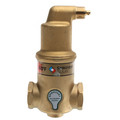
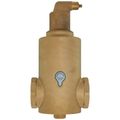
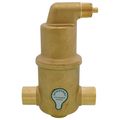
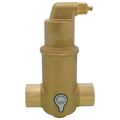
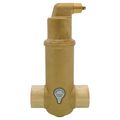
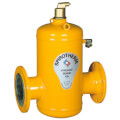
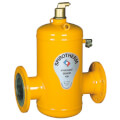
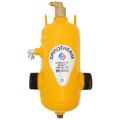
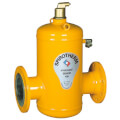
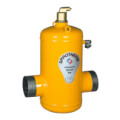
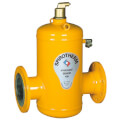
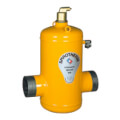
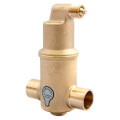
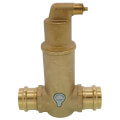
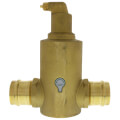
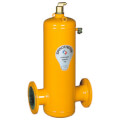
Spirotherm Air Eliminators









 --%3E %3Csvg version='1.1' id='No-RB' xmlns='http://www.w3.org/2000/svg' xmlns:xlink='http://www.w3.org/1999/xlink' x='0px' y='0px' viewBox='0 0 100 100' enable-background='new 0 0 100 100' xml:space='preserve'%3E %3Cpath fill='%23CECECE' d='M79.44,0.95H20.56C9.78,0.95,0.95,9.78,0.95,20.56v58.87c0,10.79,8.82,19.61,19.61,19.61h58.87 c10.79,0,19.61-8.83,19.61-19.61V20.56C99.05,9.78,90.22,0.95,79.44,0.95z M65.38,58.24l9.38,29.58L49.69,69.78L24.5,87.82 l9.34-29.6L8.8,39.6l30.73-0.17c0,0,6.98-19.61,10-28.93c0.54,1.36,9.88,29.1,9.88,29.1H91.2L65.38,58.24z'/%3E %3C/svg%3E)




 --%3E %3Csvg version='1.1' id='Half' xmlns='http://www.w3.org/2000/svg' xmlns:xlink='http://www.w3.org/1999/xlink' x='0px' y='0px' viewBox='0 0 100 100' enable-background='new 0 0 100 100' xml:space='preserve'%3E %3Cg%3E %3Cpath fill='%23F15C02' d='M30.05,70.23l3.79-12.01L8.8,39.6l30.73-0.17c0,0,6.98-19.61,10-28.93c0.54,1.36,9.88,29.1,9.88,29.1h1.58 L93.71,7.18c-3.58-3.82-8.66-6.23-14.28-6.23H20.56C9.78,0.95,0.95,9.78,0.95,20.56v58.87c0,5.41,2.22,10.32,5.79,13.88 L30.05,70.23z'/%3E %3C/g%3E %3Cpath fill='%23FBC8B4' d='M93.71,7.18L60.98,39.6H91.2L65.38,58.24l9.38,29.58L49.69,69.78L24.5,87.82l5.55-17.59L6.75,93.32 c3.55,3.54,8.44,5.73,13.82,5.73h58.87c10.79,0,19.61-8.83,19.61-19.61V20.56C99.05,15.4,97.01,10.69,93.71,7.18z'/%3E %3C/svg%3E)


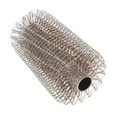


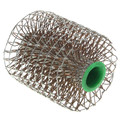
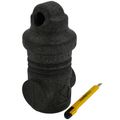
Spirotherm air eliminators are hydronic system components that remove entrained and dissolved air from heating and cooling water loops, preventing the air pockets that cause noisy pipes, reduced heat transfer, and pump cavitation. Water flowing through the unit slows down inside a wider internal chamber, which allows microbubbles to coalesce and rise out through an automatic air vent at the top of the device. Spirotherm units are commonly installed at the point in the system where water is hottest and pressure is lowest, since air separates out of solution most easily at that location. Removing air at a single, well-placed point keeps the rest of the hydronic loop running quietly and protects the circulator pump from the cavitation damage trapped air can cause over time.
Subcategories
- Standard Air Eliminators: Standard air eliminators handle the coalescing and venting function alone, removing entrained air from the water loop without addressing solid debris or magnetite. Residential and light commercial boiler systems commonly use this style as the primary air separation point near the boiler supply. An automatic float vent at the top releases collected air without any manual intervention needed during normal operation.
- Combination Air and Dirt Separators: Combination units add a dirt separation chamber alongside the air elimination function, capturing suspended particulate along with removing air in a single device. Contractors installing on systems with older iron piping or a history of sediment often prefer this combined design over a standalone air eliminator plus a separate strainer. A drain valve at the bottom of the dirt chamber allows periodic flushing of collected debris.
- Magnetic Combination Separators: Magnetic combination separators add a magnet to the dirt separation chamber, targeting the ferrous magnetite common in older steel and cast iron hydronic systems in addition to general particulate and air. Systems with a documented history of magnetite buildup benefit from this added magnetic capture compared to a standard dirt separator. Cleaning requires opening the dirt chamber periodically to remove both the captured magnetite and any non-magnetic debris.
- Compact and Junior Air Eliminators: Compact or junior-sized air eliminators scale the same coalescing design down for smaller residential systems or tight mechanical room spaces where a full-size unit will not fit. Sizing down still requires matching the connection size to the system's flow rate, since an undersized unit restricts flow just as an oversized one adds unnecessary cost. Smaller systems with modest water volume are the typical application for this size range.
Buying Guide
Placement in the system has more effect on performance than any other single decision. Air separates out of water most readily at the point of highest temperature and lowest pressure, which on most hydronic systems is just after the boiler supply and before the circulator pump, so installing the unit there captures the most air with the least resistance to flow.
Sizing depends on matching the connection size to the system's design flow rate rather than to the pipe size alone, since an undersized separator restricts flow and an oversized one adds cost without added benefit. Spirotherm air eliminators are typically sized using the manufacturer's flow rate tables rather than a simple pipe diameter match, so checking the actual gallons-per-minute flow of the system against those tables avoids a mismatched selection.
Deciding between a standalone air eliminator and a combination air and dirt separator comes down to the system's history and piping material. Older systems with iron piping or known sediment problems benefit from the added dirt, and in some cases magnetic, separation built into a combination unit, while newer systems with clean piping may only need straightforward air elimination. Checking for an accessible drain valve on any unit selected makes routine maintenance faster for whoever services the system going forward.
Frequently Asked Questions
Where should a Spirotherm air eliminator be installed in a hydronic system?
Most manufacturers recommend installing the unit on the supply side, just after the boiler and before the circulator pump, since that location has the highest water temperature and lowest pressure in the loop, which is exactly where air separates out of solution most readily. Installing further from the boiler still removes some air but works less effectively than a properly placed unit near the boiler outlet. Following the specific installation clearances listed for the model being installed avoids restricting service access later.
How is the correct size air eliminator selected for a system?
Sizing is based on the system's design flow rate in gallons per minute rather than on pipe diameter alone, since a unit sized for the wrong flow rate either restricts flow or fails to separate air effectively. Manufacturer sizing tables match a flow rate range to each model size, so calculating the system's actual flow rate is the necessary first step. Oversizing beyond the system's actual flow does not improve air removal and adds unnecessary cost.
What is the benefit of a combination air and dirt separator over a standalone air eliminator?
A combination unit removes suspended particulate along with air in a single device, which reduces the number of separate components needed in the mechanical room compared to installing an air eliminator and a strainer separately. Systems with a history of sediment or magnetite buildup benefit most from the combined design, since it addresses both problems at the same point in the loop. Newer systems with clean piping may not need the added dirt separation function at all.
Does an air eliminator need any regular maintenance?
The automatic vent at the top of a standard air eliminator generally operates without manual intervention, though checking it periodically for a stuck float or seized vent confirms it is still releasing air correctly. Combination units with a dirt or magnetic separation chamber need periodic draining to clear collected debris, typically during scheduled boiler maintenance. Skipping this maintenance on a combination unit reduces its ability to keep capturing new debris over time.
Can an air eliminator be added to an existing system without draining it completely?
Installing the unit requires isolating and draining the section of pipe where it will tie in, but a full system drain is not necessary if isolation valves already exist near the intended location. Adding isolation valves during installation makes future service or eventual replacement considerably easier. Systems without nearby valves will need at least a partial drain to complete the installation.
