




Split Bolt Connectors

 --%3E %3Csvg version='1.1' id='No-RB' xmlns='http://www.w3.org/2000/svg' xmlns:xlink='http://www.w3.org/1999/xlink' x='0px' y='0px' viewBox='0 0 100 100' enable-background='new 0 0 100 100' xml:space='preserve'%3E %3Cpath fill='%23CECECE' d='M79.44,0.95H20.56C9.78,0.95,0.95,9.78,0.95,20.56v58.87c0,10.79,8.82,19.61,19.61,19.61h58.87 c10.79,0,19.61-8.83,19.61-19.61V20.56C99.05,9.78,90.22,0.95,79.44,0.95z M65.38,58.24l9.38,29.58L49.69,69.78L24.5,87.82 l9.34-29.6L8.8,39.6l30.73-0.17c0,0,6.98-19.61,10-28.93c0.54,1.36,9.88,29.1,9.88,29.1H91.2L65.38,58.24z'/%3E %3C/svg%3E)

 --%3E %3Csvg version='1.1' id='Fill' xmlns='http://www.w3.org/2000/svg' xmlns:xlink='http://www.w3.org/1999/xlink' x='0px' y='0px' viewBox='0 0 100 100' enable-background='new 0 0 100 100' xml:space='preserve'%3E %3Cpath fill='%23F15C02' d='M79.44,0.95H20.56C9.78,0.95,0.95,9.78,0.95,20.56v58.87c0,10.79,8.82,19.61,19.61,19.61h58.87 c10.79,0,19.61-8.83,19.61-19.61V20.56C99.05,9.78,90.22,0.95,79.44,0.95z M65.38,58.24l9.38,29.58L49.69,69.78L24.5,87.82 l9.34-29.6L8.8,39.6l30.73-0.17c0,0,6.98-19.61,10-28.93c0.54,1.36,9.88,29.1,9.88,29.1H91.2L65.38,58.24z'/%3E %3C/svg%3E)
 --%3E %3Csvg version='1.1' id='With-RB' xmlns='http://www.w3.org/2000/svg' xmlns:xlink='http://www.w3.org/1999/xlink' x='0px' y='0px' viewBox='0 0 100 100' enable-background='new 0 0 100 100' xml:space='preserve'%3E %3Cpath fill='%23FBC8B4' d='M79.44,0.95H20.56C9.78,0.95,0.95,9.78,0.95,20.56v58.87c0,10.79,8.82,19.61,19.61,19.61h58.87 c10.79,0,19.61-8.83,19.61-19.61V20.56C99.05,9.78,90.22,0.95,79.44,0.95z M65.38,58.24l9.38,29.58L49.69,69.78L24.5,87.82 l9.34-29.6L8.8,39.6l30.73-0.17c0,0,6.98-19.61,10-28.93c0.54,1.36,9.88,29.1,9.88,29.1H91.2L65.38,58.24z'/%3E %3C/svg%3E)


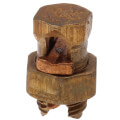


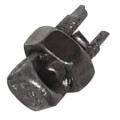
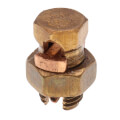

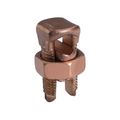
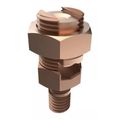
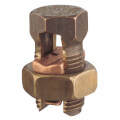
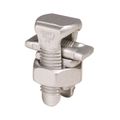
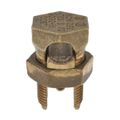

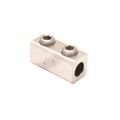
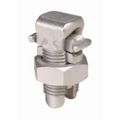
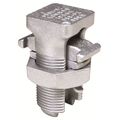
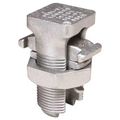
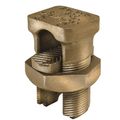
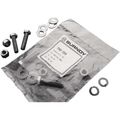
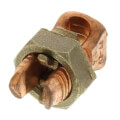
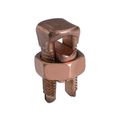

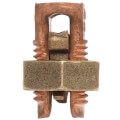
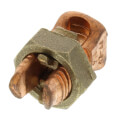
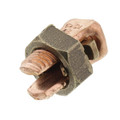
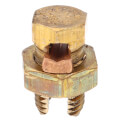
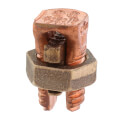
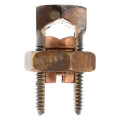
Split Bolt Connectors join two or more electrical conductors together with a mechanical bolt and grooved bar rather than solder, crimping, or a set screw. SupplyHouse carries Blackburn high-strength split bolt connectors with bronze alloy bolts and nuts that are tin plated for low contact resistance, tested and listed to UL486C for copper-to-copper connections and UL467 for grounding and direct burial use. The line covers a wide conductor range, from smaller solid sizes up through 4/0 stranded conductors, with hex-style bodies rated up to 350 kcmil on the larger connectors. Electricians tighten the bolt with a wrench to the connector's rated torque, such as 135 in-lb on the Blackburn 6H model, to properly seat the conductors inside the connector body. Because the connection point often ends up taped, buried, or otherwise hard to reach after final inspection, choosing a connector rated for the conductor size and environment up front matters more than it does with an accessible junction box splice.
Subcategories
- Small Conductor Split Bolts: Small conductor split bolt connectors, such as the Blackburn 4H and 6H models, cover solid conductor ranges down to 8 solid, making them a common choice for lighting circuits and other lower-amperage branch wiring. The 6H model carries a 135 in-lb torque rating, which tells the installer how tight the bolt needs to be for a proper connection. Electricians use this size range for splices inside panels, junction boxes, and fixture whips. Bronze alloy construction with tin plating keeps contact resistance low even on smaller conductors.
- Mid-Range Split Bolts: Mid-range split bolt connectors, including the Blackburn 2H and 10H models, step up to cover 2 solid through 1/0 stranded conductors. Electricians use this range on feeder taps and larger branch circuits where a single small connector would not seat the conductor properly. Like the smaller sizes, these connectors are tested and listed to UL486C for copper-to-copper splices. The larger bolt and bar size accommodates the added conductor diameter without changing the basic split bolt design.
- High-Capacity Split Bolts: High-capacity split bolt connectors, such as the Blackburn 30H, cover conductor ranges up to 4/0 stranded, with hex-style bodies rated up to 350 kcmil on the largest connectors in the line. Electricians spec this size range for service entrance conductors, feeders, and other heavy branch circuits. The bronze alloy body and tin plating used on smaller sizes carry through to the high-capacity connectors as well. Reaching the rated torque on these sizes typically requires a larger wrench given the added bolt diameter.
- Grounding and Direct Burial Split Bolts: Grounding and direct burial applications call for split bolt connectors listed to UL467 in addition to the standard UL486C copper-to-copper rating. Electricians use this listing when the connector bonds a grounding electrode conductor or gets buried below grade rather than terminating inside an accessible box. Blackburn's split bolt line carries this combined listing across its sizes, so the same connector body can serve both an indoor splice and a buried grounding connection. Confirming the UL467 listing on the specific model matters before using a split bolt below grade.
Buying Guide
Match the connector to the conductor sizes being joined first, since split bolt connectors are sized for a specific range rather than one universal fit; the Blackburn line alone spans models from small solid conductors up through 4/0 stranded and 350 kcmil. Check both conductors going into the connector, since a split bolt often joins a larger feeder to a smaller tap conductor, and the connector's rated range needs to cover the largest wire in the splice. Material matters next: Blackburn's bronze alloy body with tin plating is tested and listed to UL486C for copper-to-copper connections, so aluminum conductors need a connector specifically rated for that application rather than a standard copper-to-copper split bolt. Torque is not optional on these connections; the bolt needs to reach the manufacturer's rated torque, such as 135 in-lb on the Blackburn 6H, to seat the conductors and keep contact resistance low over time. For splices that will end up buried, taped, or otherwise inaccessible after inspection, confirm the connector also carries a UL467 listing for grounding and direct burial use rather than assuming a standard copper-to-copper listing covers that application. Split Bolt Connectors handle these permanent, hard-to-reach splices well precisely because the mechanical bolt connection does not depend on solder or a spring-loaded twist-on cap. Finally, keep a properly sized wrench on hand for the larger connector sizes, since reaching rated torque on a 30H-class connector takes more leverage than a standard nut driver provides.
Frequently Asked Questions
What size conductors can a split bolt connector handle?
Split bolt connectors cover a range of conductor sizes depending on the model, with the Blackburn line spanning from small solid conductors up through 4/0 stranded and hex-style bodies rated up to 350 kcmil. Checking both conductors going into the splice against the connector's rated range confirms the right model for the job. Using a connector rated below the actual conductor size risks a loose connection that overheats over time.
Are split bolt connectors rated for aluminum conductors?
Standard copper-to-copper split bolt connectors, including Blackburn's UL486C listed line, are built and tested for copper conductors rather than aluminum. Joining aluminum conductors calls for a connector specifically rated for aluminum or aluminum-to-copper use rather than a standard copper split bolt. Checking the connector's listing before use prevents a connection that is rated for the wrong conductor material.
What torque should a split bolt connector be tightened to?
Split bolt connectors carry a manufacturer-rated torque value, such as 135 in-lb on the Blackburn 6H model, that confirms the bolt is seated properly on the conductors. Reaching this torque value keeps contact resistance low and reduces the chance of a loose connection developing heat over time. Larger connector sizes generally require more torque and a bigger wrench to reach the rated value.
Can a split bolt connector be used underground or in a direct burial application?
Split bolt connectors rated for grounding and direct burial carry a UL467 listing in addition to the standard UL486C copper-to-copper rating. Confirming this listing on the specific connector model matters before burying a splice below grade or bonding a grounding electrode conductor. A connector without the UL467 listing should stay in an accessible, above-grade location instead.
Why use a split bolt connector instead of a twist-on wire connector?
Split bolt connectors use a mechanical bolt and grooved bar to join conductors, which works better than a twist-on cap for larger conductors, feeder taps, and grounding connections. The bolted connection does not depend on a spring inside a plastic cap, making it a common choice for splices that will end up taped, buried, or otherwise hard to reach after inspection. Twist-on connectors remain a faster option for smaller branch circuit splices in an accessible box.
