




Zilmet Stainless Steel Expansion Tanks

 --%3E %3Csvg version='1.1' id='Fill' xmlns='http://www.w3.org/2000/svg' xmlns:xlink='http://www.w3.org/1999/xlink' x='0px' y='0px' viewBox='0 0 100 100' enable-background='new 0 0 100 100' xml:space='preserve'%3E %3Cpath fill='%23F15C02' d='M79.44,0.95H20.56C9.78,0.95,0.95,9.78,0.95,20.56v58.87c0,10.79,8.82,19.61,19.61,19.61h58.87 c10.79,0,19.61-8.83,19.61-19.61V20.56C99.05,9.78,90.22,0.95,79.44,0.95z M65.38,58.24l9.38,29.58L49.69,69.78L24.5,87.82 l9.34-29.6L8.8,39.6l30.73-0.17c0,0,6.98-19.61,10-28.93c0.54,1.36,9.88,29.1,9.88,29.1H91.2L65.38,58.24z'/%3E %3C/svg%3E)
 --%3E %3Csvg version='1.1' id='Half' xmlns='http://www.w3.org/2000/svg' xmlns:xlink='http://www.w3.org/1999/xlink' x='0px' y='0px' viewBox='0 0 100 100' enable-background='new 0 0 100 100' xml:space='preserve'%3E %3Cg%3E %3Cpath fill='%23F15C02' d='M30.05,70.23l3.79-12.01L8.8,39.6l30.73-0.17c0,0,6.98-19.61,10-28.93c0.54,1.36,9.88,29.1,9.88,29.1h1.58 L93.71,7.18c-3.58-3.82-8.66-6.23-14.28-6.23H20.56C9.78,0.95,0.95,9.78,0.95,20.56v58.87c0,5.41,2.22,10.32,5.79,13.88 L30.05,70.23z'/%3E %3C/g%3E %3Cpath fill='%23FBC8B4' d='M93.71,7.18L60.98,39.6H91.2L65.38,58.24l9.38,29.58L49.69,69.78L24.5,87.82l5.55-17.59L6.75,93.32 c3.55,3.54,8.44,5.73,13.82,5.73h58.87c10.79,0,19.61-8.83,19.61-19.61V20.56C99.05,15.4,97.01,10.69,93.71,7.18z'/%3E %3C/svg%3E)

 --%3E %3Csvg version='1.1' id='No-RB' xmlns='http://www.w3.org/2000/svg' xmlns:xlink='http://www.w3.org/1999/xlink' x='0px' y='0px' viewBox='0 0 100 100' enable-background='new 0 0 100 100' xml:space='preserve'%3E %3Cpath fill='%23CECECE' d='M79.44,0.95H20.56C9.78,0.95,0.95,9.78,0.95,20.56v58.87c0,10.79,8.82,19.61,19.61,19.61h58.87 c10.79,0,19.61-8.83,19.61-19.61V20.56C99.05,9.78,90.22,0.95,79.44,0.95z M65.38,58.24l9.38,29.58L49.69,69.78L24.5,87.82 l9.34-29.6L8.8,39.6l30.73-0.17c0,0,6.98-19.61,10-28.93c0.54,1.36,9.88,29.1,9.88,29.1H91.2L65.38,58.24z'/%3E %3C/svg%3E)
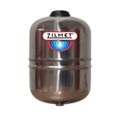
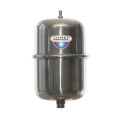
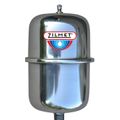
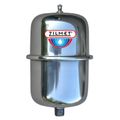
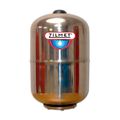
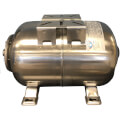
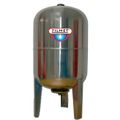
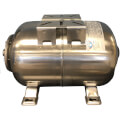
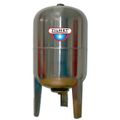
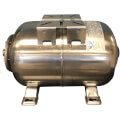
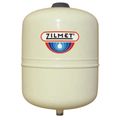

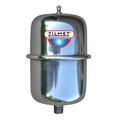
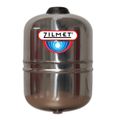
Zilmet stainless steel expansion tanks are built to absorb the volume changes that occur as water heats and cools in a closed hydronic or potable system, keeping pressure within a safe operating range instead of tripping relief valves or stressing pipe joints. Contractors add one of these tanks anywhere city water pressure fluctuates against a check valve, backflow preventer, or pressure-reducing valve, and anywhere a boiler or water heater cycles through repeated heating and standby periods. The stainless shell resists the corrosion that can shorten the life of a standard carbon steel tank, particularly on potable water applications where fresh makeup water passes through on every cycle. Zilmet rates its stainless expansion tanks for a maximum operating temperature of 240 degrees Fahrenheit, giving installers margin on systems that run hotter than a typical residential loop. Sizing correctly against system volume and fill pressure keeps the tank doing its job for the long haul.
Subcategories
- Potable Water Expansion Tanks: Plumbers install these ahead of a water heater on systems with a check valve, backflow preventer, or pressure-reducing valve that traps the domestic supply in a closed loop. The stainless construction stands up to the mineral content and oxygen exposure that come with constant makeup water flow. Tanks in this group use a heavy-duty butyl bladder rated to a 125 PSIG maximum operating pressure. They're sized against the water heater's storage volume rather than the whole building's plumbing.
- Hydronic Heating Expansion Tanks: Heating contractors size these to the total water volume of a boiler loop, including baseboard, radiant, or fan-coil zones, so the system can expand and contract through every firing cycle without overloading the relief valve. A pre-charge of 40 PSIG out of the box is standard on this line, though installers reset it to match actual system fill pressure before startup. Because these run in a fully closed loop, bladder life tends to outlast potable-side units exposed to constant fresh water turnover. They mount inline near the boiler's supply or return per the system's piping diagram.
- High-Pressure Commercial Tanks: Commercial and light-industrial installers reach for these when a boiler plant or domestic system runs above the 125 PSIG range that covers most residential work, since Zilmet also builds versions rated to 200 and 250 PSIG. They show up often in multi-story buildings where static head alone pushes system pressure higher than a single-family install ever sees. Larger models in this group include a built-in pressure gauge and a bladder integrity monitor so a technician can check tank condition without draining the system. Engineers spec these off calculated acceptance volume, not tank size alone.
- Compact Point-of-Use Tanks: Smaller stainless tanks in this line fit tight mechanical closets and under-sink installs where a full-size expansion tank won't clear the cabinet. They pair well with tankless water heaters and small residential boilers that don't generate much expansion volume to begin with. Confirming system fill pressure and thermal expansion volume still matters before dropping to a smaller tank size. Even at reduced capacity, the same stainless shell and butyl bladder construction carries over from the larger models in the line.
Buying Guide
Start sizing a Zilmet stainless steel expansion tank from the system's total water volume, not the tank aisle. Add up boiler or water heater capacity plus connected piping, then match that figure against the tank's rated acceptance volume before checking anything else. Fill pressure comes next: a tank pre-charged for a 12 PSIG residential system will absorb far less usable expansion than one charged to match a 40 or 60 PSIG commercial supply, so confirm incoming pressure before ordering.
Material choice separates this line from a standard carbon steel tank. Stainless construction earns its keep on potable water jobs and anywhere corrosion or water quality is a known issue, while a closed hydronic loop with treated water and no fresh makeup can often run a standard tank without the upgrade. Pressure rating is the next filter: most residential and light commercial work sits comfortably under the 125 PSIG line, but a job approaching that ceiling, or one with real static head from building height, calls for a 200 or 250 PSIG model instead.
Mounting orientation and connection size round out the decision. Zilmet Stainless Steel Expansion Tanks ship in both fixed-diaphragm and replaceable-bladder designs, so confirm which style a job's maintenance plan favors before the tank goes into a wall or ceiling cavity that's hard to reach later.
Frequently Asked Questions
Why does a hydronic system need an expansion tank at all?
Water expands as it heats, and a closed loop has nowhere for that extra volume to go without a tank to absorb it. Without one, pressure spikes can trip the relief valve repeatedly or stress solder joints and valve seats over time. The tank's bladder compresses as water pushes in, keeping system pressure inside a safe operating window.
When should a stainless tank replace a standard carbon steel model?
Potable water applications are the clearest case, since the tank sees continuous fresh makeup water along with the oxygen and minerals that come with it. Commercial boiler plants with treated closed loops can often stick with standard construction instead. If the job spec calls for stainless, or the water quality is questionable, the upgrade is worth the cost difference.
How do I know what pre-charge pressure to set?
Match the tank's pre-charge to the system's static fill pressure before it goes into service, not the factory default. A tank shipped at 40 PSIG needs to be adjusted up or down depending on what the gauge reads at the fill valve. Getting this wrong is one of the most common reasons a tank underperforms.
What's the difference between fixed-diaphragm and replaceable-bladder tanks?
A fixed-diaphragm tank is sealed at the factory and gets replaced as a full unit if the bladder fails. A replaceable-bladder design lets a technician swap just the bladder, which can be worth it on larger commercial tanks where the shell is a bigger investment to replace. Either style needs the same attention to pre-charge pressure.
Can one of these tanks handle a high-temperature boiler loop?
Zilmet's stainless expansion tanks carry a 240 degree Fahrenheit maximum operating temperature rating, which covers most commercial and residential boiler applications. Confirm the system's actual operating temperature against that rating before final selection. Running near the ceiling of the rating without margin is worth flagging to the equipment owner.
