




Zoeller Pump Parts

 --%3E %3Csvg version='1.1' id='Fill' xmlns='http://www.w3.org/2000/svg' xmlns:xlink='http://www.w3.org/1999/xlink' x='0px' y='0px' viewBox='0 0 100 100' enable-background='new 0 0 100 100' xml:space='preserve'%3E %3Cpath fill='%23F15C02' d='M79.44,0.95H20.56C9.78,0.95,0.95,9.78,0.95,20.56v58.87c0,10.79,8.82,19.61,19.61,19.61h58.87 c10.79,0,19.61-8.83,19.61-19.61V20.56C99.05,9.78,90.22,0.95,79.44,0.95z M65.38,58.24l9.38,29.58L49.69,69.78L24.5,87.82 l9.34-29.6L8.8,39.6l30.73-0.17c0,0,6.98-19.61,10-28.93c0.54,1.36,9.88,29.1,9.88,29.1H91.2L65.38,58.24z'/%3E %3C/svg%3E)

 --%3E %3Csvg version='1.1' id='No-RB' xmlns='http://www.w3.org/2000/svg' xmlns:xlink='http://www.w3.org/1999/xlink' x='0px' y='0px' viewBox='0 0 100 100' enable-background='new 0 0 100 100' xml:space='preserve'%3E %3Cpath fill='%23CECECE' d='M79.44,0.95H20.56C9.78,0.95,0.95,9.78,0.95,20.56v58.87c0,10.79,8.82,19.61,19.61,19.61h58.87 c10.79,0,19.61-8.83,19.61-19.61V20.56C99.05,9.78,90.22,0.95,79.44,0.95z M65.38,58.24l9.38,29.58L49.69,69.78L24.5,87.82 l9.34-29.6L8.8,39.6l30.73-0.17c0,0,6.98-19.61,10-28.93c0.54,1.36,9.88,29.1,9.88,29.1H91.2L65.38,58.24z'/%3E %3C/svg%3E)

 --%3E %3Csvg version='1.1' id='With-RB' xmlns='http://www.w3.org/2000/svg' xmlns:xlink='http://www.w3.org/1999/xlink' x='0px' y='0px' viewBox='0 0 100 100' enable-background='new 0 0 100 100' xml:space='preserve'%3E %3Cpath fill='%23FBC8B4' d='M79.44,0.95H20.56C9.78,0.95,0.95,9.78,0.95,20.56v58.87c0,10.79,8.82,19.61,19.61,19.61h58.87 c10.79,0,19.61-8.83,19.61-19.61V20.56C99.05,9.78,90.22,0.95,79.44,0.95z M65.38,58.24l9.38,29.58L49.69,69.78L24.5,87.82 l9.34-29.6L8.8,39.6l30.73-0.17c0,0,6.98-19.61,10-28.93c0.54,1.36,9.88,29.1,9.88,29.1H91.2L65.38,58.24z'/%3E %3C/svg%3E)

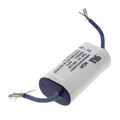

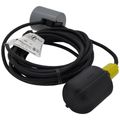
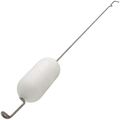
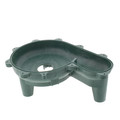

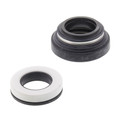
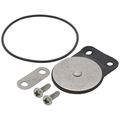
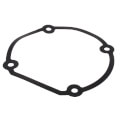
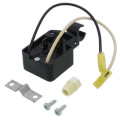
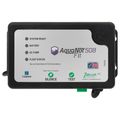
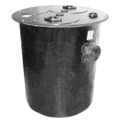
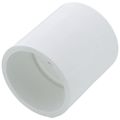

Zoeller pump parts keep sump, sewage, and effluent pumps running after impellers wear down, float switches fail, or seals let water into the motor housing. The category covers the mechanical and electrical components inside and around a Zoeller pump, including switches, seal kits, impellers, and check valves that fail independently of the pump's motor. A pump that runs constantly without moving water often points to a float switch stuck in the on position, while a pump that hums but does not pump usually traces back to a jammed or worn impeller. Because a failed sump or sewage pump can mean a flooded basement or backed-up plumbing within hours, having the right replacement part on hand matters more here than on less time-sensitive repairs. Diagnosing which specific component failed, rather than defaulting to a full pump replacement, often gets a system back online faster and at lower cost.
Subcategories
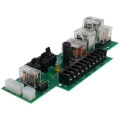
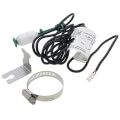
- Float Switches: Float switches turn a pump on and off based on rising and falling water level in the sump or basin, and they are one of the most frequently replaced parts on any sump or sewage system. A stuck float can leave a pump running continuously or never activate at all, both of which risk equipment damage or a basin overflow. Debris in the basin is a common cause of a float sticking, so checking basin cleanliness is worth doing alongside a switch replacement.
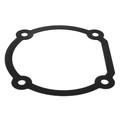
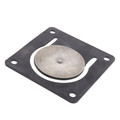
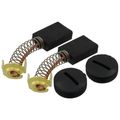
- Seal Kits & Gaskets: Seal kits and gaskets keep water out of a pump's motor housing, and a failed seal is one of the more common reasons a pump motor eventually burns out. Signs of a failing seal include water intrusion found during a pump pull, or a motor that fails prematurely without an obvious electrical cause. Replacing seals proactively during a routine pump service can prevent a more expensive motor failure down the line.
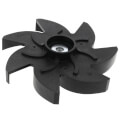
- Impellers & Volutes: Impellers spin inside the pump's volute housing to move water and solids through the discharge line, and a worn or jammed impeller shows up as a pump that runs but moves little or no water. Debris like small stones, rags, or sediment is a frequent cause of a jammed impeller in sump applications, while wear from solids handling is more common in sewage pump service. Matching the replacement impeller to the specific pump model keeps clearances correct and preserves the unit's rated flow.
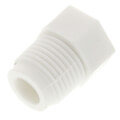
- Check Valves & Fittings: Check valves and fittings prevent water from flowing back into the sump basin after the pump shuts off, which keeps the pump from short cycling as backflow refills the basin. A failed or missing check valve is a common reason a pump seems to run more often than expected even without a rising water table. Fittings sized correctly to the discharge pipe diameter keep the connection watertight and reduce strain on the pump's discharge port.
Buying Guide
Diagnose the specific symptom before ordering a Zoeller pump part, since a pump that will not turn on, one that runs constantly, and one that runs but does not move water each point toward a different failed component. A pump that never activates often traces to the float switch or its wiring rather than the pump motor itself, so checking float movement and switch continuity is a reasonable first step. A pump that runs but produces little or no discharge flow more often points to a worn or jammed impeller, and pulling the pump to inspect the impeller and volute for debris confirms the diagnosis before a part is ordered. Frequent short cycling without an obvious water level change can mean a failed check valve is letting discharge water flow back into the basin, which is a simpler and cheaper fix than replacing the pump. Zoeller Pump Parts are largely model-specific, so matching a replacement seal kit, impeller, or switch to the exact pump model avoids fitment issues that a universal part might create. Sewage and effluent applications put more wear on impellers than sump duty does, given the solids these pumps handle, so parts for those systems may need replacement on a shorter interval. Keeping a spare float switch and seal kit on hand for common models is a reasonable stocking strategy given how often those two parts fail relative to the rest of the pump.
Frequently Asked Questions
What causes a Zoeller sump pump to run constantly?
A float switch stuck in the on position is the most common cause, often due to debris in the basin restricting its movement. A failed check valve letting discharge water flow back into the basin can also cause frequent or continuous cycling even without an actual rise in groundwater.
Why does a pump hum but not move water?
A jammed or worn impeller is the most likely cause, since debris like small stones or sediment can lodge in the impeller or volute and block normal rotation. Pulling the pump for inspection usually confirms whether the impeller is obstructed or simply worn beyond effective use.
How can water intrusion into the motor housing be identified before the motor fails?
Water found inside the housing during a routine pump pull, or a burning smell without an obvious electrical fault, are both signs that a seal has failed and water has reached the motor. Replacing the seal at that point can prevent a full motor failure later.
Are Zoeller pump parts interchangeable across different pump models?
Generally not without confirming fitment first, since impellers, seals, and switches are built to specific pump models and housings. Ordering by the exact model number stamped on the pump avoids clearance or mounting issues from a part that looks similar but is not a true match.
How often should a sump pump's float switch and seal be checked?
There is no universal schedule, but checking float movement and looking for signs of water intrusion during any basin cleaning or seasonal inspection is a reasonable baseline. Pumps handling sewage or effluent see more wear and may need more frequent checks than a clean-water sump application.
