




Filters
SORT
Product Availability –
Body Pattern –
Size –
Connection Type –
Flow Capacity (Cv) –
Review Score –
 --%3E %3Csvg version='1.1' id='Fill' xmlns='http://www.w3.org/2000/svg' xmlns:xlink='http://www.w3.org/1999/xlink' x='0px' y='0px' viewBox='0 0 100 100' enable-background='new 0 0 100 100' xml:space='preserve'%3E %3Cpath fill='%23F15C02' d='M79.44,0.95H20.56C9.78,0.95,0.95,9.78,0.95,20.56v58.87c0,10.79,8.82,19.61,19.61,19.61h58.87 c10.79,0,19.61-8.83,19.61-19.61V20.56C99.05,9.78,90.22,0.95,79.44,0.95z M65.38,58.24l9.38,29.58L49.69,69.78L24.5,87.82 l9.34-29.6L8.8,39.6l30.73-0.17c0,0,6.98-19.61,10-28.93c0.54,1.36,9.88,29.1,9.88,29.1H91.2L65.38,58.24z'/%3E %3C/svg%3E)
 --%3E %3Csvg version='1.1' id='With-RB' xmlns='http://www.w3.org/2000/svg' xmlns:xlink='http://www.w3.org/1999/xlink' x='0px' y='0px' viewBox='0 0 100 100' enable-background='new 0 0 100 100' xml:space='preserve'%3E %3Cpath fill='%23FBC8B4' d='M79.44,0.95H20.56C9.78,0.95,0.95,9.78,0.95,20.56v58.87c0,10.79,8.82,19.61,19.61,19.61h58.87 c10.79,0,19.61-8.83,19.61-19.61V20.56C99.05,9.78,90.22,0.95,79.44,0.95z M65.38,58.24l9.38,29.58L49.69,69.78L24.5,87.82 l9.34-29.6L8.8,39.6l30.73-0.17c0,0,6.98-19.61,10-28.93c0.54,1.36,9.88,29.1,9.88,29.1H91.2L65.38,58.24z'/%3E %3C/svg%3E)
Price Range –
Zone Valve Bodies


 --%3E %3Csvg version='1.1' id='No-RB' xmlns='http://www.w3.org/2000/svg' xmlns:xlink='http://www.w3.org/1999/xlink' x='0px' y='0px' viewBox='0 0 100 100' enable-background='new 0 0 100 100' xml:space='preserve'%3E %3Cpath fill='%23CECECE' d='M79.44,0.95H20.56C9.78,0.95,0.95,9.78,0.95,20.56v58.87c0,10.79,8.82,19.61,19.61,19.61h58.87 c10.79,0,19.61-8.83,19.61-19.61V20.56C99.05,9.78,90.22,0.95,79.44,0.95z M65.38,58.24l9.38,29.58L49.69,69.78L24.5,87.82 l9.34-29.6L8.8,39.6l30.73-0.17c0,0,6.98-19.61,10-28.93c0.54,1.36,9.88,29.1,9.88,29.1H91.2L65.38,58.24z'/%3E %3C/svg%3E)
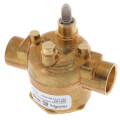

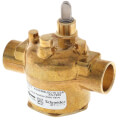
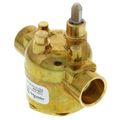
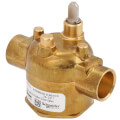
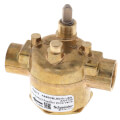
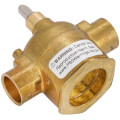
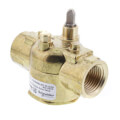
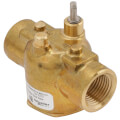
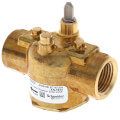
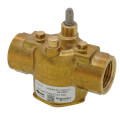
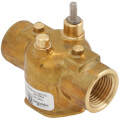
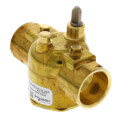
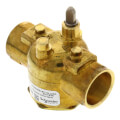
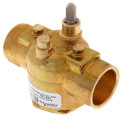
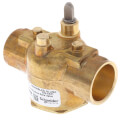
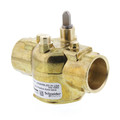
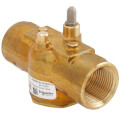
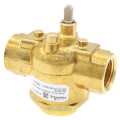
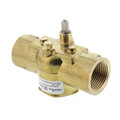
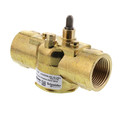
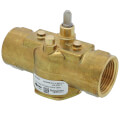
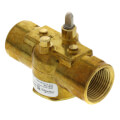
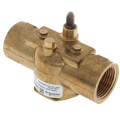
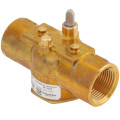
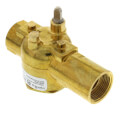
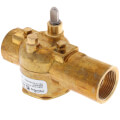
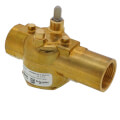
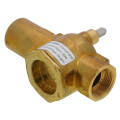
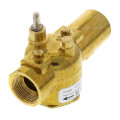
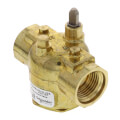
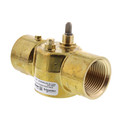
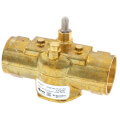
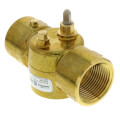
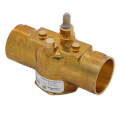
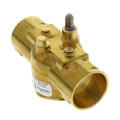
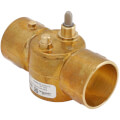
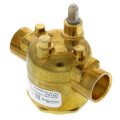
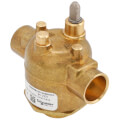
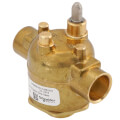

Zone Valve Bodies are the housings that control water flow to an individual heating or cooling zone, opening and closing under an electric actuator to send hot water only where a thermostat calls for it. Honeywell's V8043 series rates its valve bodies for operating pressure up to 300 psi and ships in sweat, threaded NPT, and press connection styles from 1/2 inch through 1 inch.
Taco's Zone Sentry line pairs a ball-valve body with a gear-driven electronic actuator for on-off control in closed hydronic systems. Baseboard, fan coils, radiators, convectors, air handlers, heat pumps, and radiant loops all rely on a zone valve body to isolate their circuit from the rest of the system. Matching body type and connection style to the existing piping keeps a zoning retrofit straightforward instead of turning into a full re-pipe.
Subcategories
- Sweat Connection Bodies: Sweat connection zone valve bodies solder directly onto copper pipe, the most common connection style on existing hydronic systems. Honeywell's V8043 series offers sweat bodies in sizes from 1/2 inch through 1 inch. Plumbers replacing an aging valve on a system already built in copper typically match the existing sweat connection rather than switching styles. Soldering the body in place still requires draining the affected section of piping first.
- NPT Threaded Bodies: NPT threaded bodies connect using standard pipe threads instead of a soldered joint, useful on systems built with threaded steel or brass piping. Honeywell's V8043 series also ships in NPT configurations alongside its sweat and press options. Contractors working on older systems or commercial boiler rooms often run into threaded connections more than sweat. Threaded bodies also allow a valve swap without a torch on-site.
- Press Connection Bodies: Press connection bodies close with a standard press tool instead of solder or pipe dope, cutting install time on new construction and retrofits alike. Honeywell offers Pro Press versions of its V8043 series in the same 1/2 inch through 1 inch range as its sweat and threaded bodies. Crews already carrying a press tool for the rest of a job's copper connections can install the valve body with the same tool. No flame near finished walls or framing is a real advantage on occupied-building retrofit work.
- Ball Valve Body Design: Ball valve body construction, like Taco's Zone Sentry line, pairs a rotating ball element with a gear-driven electronic actuator instead of a poppet or diaphragm mechanism. The actuator drives the valve shaft between open and closed positions for on-off, normally open, or normally closed zone control. The design suits closed hydronic systems feeding baseboard, fan coils, radiators, convectors, air handlers, heat pumps, and radiant loops. Contractors standardizing on one zone valve brand across a system often pick this body style for consistent parts across every zone.
Buying Guide
Match connection style to the existing piping first: sweat for copper systems already soldered together, NPT threaded for steel or brass piping, and press connections for jobs where a press tool is already on-site and an open flame isn't practical. Zone Valve Bodies rated for higher operating pressure, such as Honeywell's V8043 series at up to 300 psi, give more headroom on systems running higher static pressure or taller buildings with more vertical rise.
Ball-valve body designs like Taco's Zone Sentry line pair a gear-driven electronic actuator with the body itself, which simplifies parts ordering since the actuator and body ship as one assembly rather than separate components that need to be matched. Poppet or diaphragm-style bodies, common in Honeywell's line, allow the powerhead to be removed and replaced without draining the system or breaking the plumbing connection, a real time-saver on a service call where only the actuator has failed.
Confirm whether the application needs normally open or normally closed operation before ordering, since a body built for the wrong default position won't fail safely in a power outage. Flow capacity, measured as Cv, matters on zones feeding multiple fixtures or larger baseboard runs, so checking the Cv rating against the zone's expected flow avoids a valve that restricts flow more than the system was designed for. Sticking with one manufacturer's actuator and body pairing across a job also cuts down on stocking mismatched replacement parts later.
Frequently Asked Questions
What's the difference between a zone valve body and the actuator?
The body is the physical housing water flows through, while the actuator is the motorized head that opens and closes the body in response to a thermostat call. Many designs, including Honeywell's V8043 series, allow the actuator to be replaced separately without draining the system. Ball-valve designs like Taco's Zone Sentry line ship the actuator and body as one matched assembly instead.
What connection type should replace an existing zone valve?
Matching the existing connection style avoids extra fittings during a replacement. Sweat connections suit copper systems already soldered together, NPT threaded connections suit steel or brass piping, and press connections work where a press tool is already part of the job. Honeywell's V8043 series ships in all three connection styles across the same 1/2 inch through 1 inch size range.
How much operating pressure should a zone valve body handle?
Honeywell's V8043 series rates its bodies for operating pressure up to 300 psi, which covers the vast majority of residential and light commercial hydronic systems. Taller buildings or systems with more vertical rise generate higher static pressure at the lowest zones, so checking the pressure rating against actual system conditions matters most on larger jobs. Residential single-zone baseboard systems rarely approach that pressure ceiling.
Does normally open or normally closed matter for a zone valve body?
Normally closed bodies stay shut until powered, opening only when a thermostat calls for heat, which is the standard setup for most zoning applications. Normally open bodies stay open until powered closed, a configuration sometimes used for a priority zone that needs to keep flowing even during a control failure. Ordering the wrong default position can leave a zone without heat, or without shutoff, during a power outage.
Can a zone valve body handle multiple fixtures on one zone?
Flow capacity, expressed as a Cv rating, determines how much flow a body can pass without excessive pressure drop. Zones feeding several baseboard sections or multiple fan coils need a body with enough Cv to avoid restricting flow below what the system was designed to deliver. Checking the Cv rating against the zone's expected flow before ordering avoids an undersized valve body.
