




Filters
SORT
Product Availability –
Capacity (Gallons) –
KW Input –
Diameter (Inches) –
Review Score –
 --%3E %3Csvg version='1.1' id='Fill' xmlns='http://www.w3.org/2000/svg' xmlns:xlink='http://www.w3.org/1999/xlink' x='0px' y='0px' viewBox='0 0 100 100' enable-background='new 0 0 100 100' xml:space='preserve'%3E %3Cpath fill='%23F15C02' d='M79.44,0.95H20.56C9.78,0.95,0.95,9.78,0.95,20.56v58.87c0,10.79,8.82,19.61,19.61,19.61h58.87 c10.79,0,19.61-8.83,19.61-19.61V20.56C99.05,9.78,90.22,0.95,79.44,0.95z M65.38,58.24l9.38,29.58L49.69,69.78L24.5,87.82 l9.34-29.6L8.8,39.6l30.73-0.17c0,0,6.98-19.61,10-28.93c0.54,1.36,9.88,29.1,9.88,29.1H91.2L65.38,58.24z'/%3E %3C/svg%3E)
Price Range –
AO Smith Lime Tamer (DRE Gold) Electric Water Heaters


 --%3E %3Csvg version='1.1' id='No-RB' xmlns='http://www.w3.org/2000/svg' xmlns:xlink='http://www.w3.org/1999/xlink' x='0px' y='0px' viewBox='0 0 100 100' enable-background='new 0 0 100 100' xml:space='preserve'%3E %3Cpath fill='%23CECECE' d='M79.44,0.95H20.56C9.78,0.95,0.95,9.78,0.95,20.56v58.87c0,10.79,8.82,19.61,19.61,19.61h58.87 c10.79,0,19.61-8.83,19.61-19.61V20.56C99.05,9.78,90.22,0.95,79.44,0.95z M65.38,58.24l9.38,29.58L49.69,69.78L24.5,87.82 l9.34-29.6L8.8,39.6l30.73-0.17c0,0,6.98-19.61,10-28.93c0.54,1.36,9.88,29.1,9.88,29.1H91.2L65.38,58.24z'/%3E %3C/svg%3E)

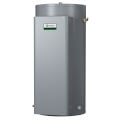
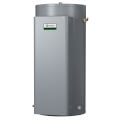
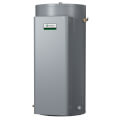

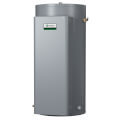
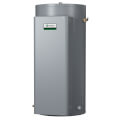

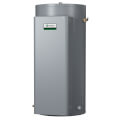
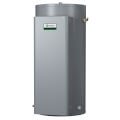


AO Smith Lime Tamer (DRE Gold) electric water heaters are engineered for homes and businesses served by hard water, where standard tanks scale up quickly and lose efficiency. The DRE Gold line pairs a self-cleaning dip tube with sediment-reducing tank design so lime and mineral deposits get flushed out during normal use instead of settling on the bottom of the tank. Reduced sediment buildup helps the heating elements stay in contact with water rather than trapped scale, which keeps recovery times more consistent over the life of the unit. Plumbing contractors and property managers specify Lime Tamer models most often in regions with known hard water, well water supplies, or older buildings where previous tanks failed early from scale accumulation. Choosing the right model depends on household size, incoming water hardness, and available electrical service, all factors worth reviewing before installation. Hard water conditions make tank longevity a real consideration for property owners.
Subcategories
- Standard Recovery Units: Standard recovery Lime Tamer heaters serve single-family homes with typical household demand for hot water, covering everyday showering, laundry, and dishwashing needs. Plumbers select this tier for straightforward tank replacements where a previous standard electric heater failed from scale buildup. The self-cleaning dip tube design carries over across the tier, so contractors get scale resistance without stepping up to a larger unit. Property owners moving from an older tank into a Lime Tamer model in this tier get a similar footprint and connection points, simplifying the swap.
- High Recovery Units: High recovery Lime Tamer heaters target larger households or light commercial spaces where hot water demand recovers faster between draws. Contractors turn to this tier for multi-bathroom homes, rental properties with several tenants, or small offices with a shared kitchen and restroom. Faster recovery reduces the wait between back-to-back showers or heavy laundry days, a common complaint that drives water heater replacement calls. Installers still get the sediment-reducing tank design that defines the Lime Tamer line, just sized for higher draw.
- Compact and Space-Constrained Installs: Compact Lime Tamer units fit utility closets, crawl spaces, and other tight mechanical rooms where a full-size tank will not fit. Contractors specify this tier for condos, older homes with small mechanical rooms, or secondary units like a mother-in-law suite. Reduced footprint options still carry the scale-resistant tank design, so property owners in hard water areas do not have to trade longevity for space savings. Plumbers confirm rough-in dimensions before ordering since compact models vary by capacity.
Buying Guide
Selecting the right Lime Tamer model starts with water hardness. Homes on well water or in regions with known hard water benefit most from the scale-resistant design, since standard tanks in those conditions often fail years before their rated life. Contractors should test or ask about local water hardness before recommending a straight swap versus a Lime Tamer upgrade, especially when a previous tank failed early from visible scale. Household size and peak hot water demand determine recovery tier. A single-family home with typical showering and laundry patterns usually does fine with a standard recovery unit, while larger households, rental properties, or light commercial spaces call for a high recovery model to keep pace with back-to-back draws. Available space matters too. Utility closets, older mechanical rooms, and secondary units often need a compact footprint, so confirming rough-in dimensions and clearances before ordering avoids a return trip. Electrical service also factors into the decision, since some higher recovery models draw more amperage, so checking the panel and existing wiring before installation prevents delays on job day. When comparing AO Smith Lime Tamer (DRE Gold) Electric Water Heaters against standard electric tanks, the main tradeoff is scale resistance and longer service life in hard water conditions against a similar upfront installation process. Contractors serving hard water regions increasingly default to Lime Tamer models specifically to reduce warranty callbacks tied to sediment buildup.
Frequently Asked Questions
What makes Lime Tamer different from a standard electric water heater?
Lime Tamer (DRE Gold) models use a self-cleaning dip tube and sediment-reducing tank design that flushes lime and mineral deposits out during normal operation. Standard electric tanks let that sediment settle and build up around the heating element, which shortens service life in hard water areas. The design difference matters most where water hardness is already a known issue on the job.
Do Lime Tamer heaters need a water softener to work properly?
No. Lime Tamer heaters are designed to reduce sediment buildup on their own, without depending on a whole-house softener. A softener can still help overall water quality, but is not a requirement for the tank's self-cleaning function to work as intended.
How do I pick between a standard recovery and high recovery model?
Base the choice on household size and hot water demand patterns. Multi-bathroom homes, rental properties with several tenants, or light commercial spaces with frequent draws typically need a high recovery model, while a single-family home with typical use fits a standard recovery unit.
Will a compact Lime Tamer model fit in a tight utility closet?
Compact models are built for smaller mechanical rooms, condos, and secondary units, but rough-in dimensions still vary by capacity. Confirming clearances and connection points against the existing space before ordering avoids a mismatch on install day.
Does switching to a Lime Tamer model change the electrical requirements?
Some higher recovery models draw more amperage than a standard electric tank, so checking the panel and existing wiring is worth doing before the swap. Confirming electrical service ahead of time prevents delays once the old tank is already disconnected.
