




Filters
SORT
Product Availability –
Fuel Type –
Intended Household –
Capacity (Gallons) –
BTU Input –
1st Hour Delivery (Gallons) –
Energy Factor –
Review Score –
 --%3E %3Csvg version='1.1' id='Fill' xmlns='http://www.w3.org/2000/svg' xmlns:xlink='http://www.w3.org/1999/xlink' x='0px' y='0px' viewBox='0 0 100 100' enable-background='new 0 0 100 100' xml:space='preserve'%3E %3Cpath fill='%23F15C02' d='M79.44,0.95H20.56C9.78,0.95,0.95,9.78,0.95,20.56v58.87c0,10.79,8.82,19.61,19.61,19.61h58.87 c10.79,0,19.61-8.83,19.61-19.61V20.56C99.05,9.78,90.22,0.95,79.44,0.95z M65.38,58.24l9.38,29.58L49.69,69.78L24.5,87.82 l9.34-29.6L8.8,39.6l30.73-0.17c0,0,6.98-19.61,10-28.93c0.54,1.36,9.88,29.1,9.88,29.1H91.2L65.38,58.24z'/%3E %3C/svg%3E)
 --%3E %3Csvg version='1.1' id='With-RB' xmlns='http://www.w3.org/2000/svg' xmlns:xlink='http://www.w3.org/1999/xlink' x='0px' y='0px' viewBox='0 0 100 100' enable-background='new 0 0 100 100' xml:space='preserve'%3E %3Cpath fill='%23FBC8B4' d='M79.44,0.95H20.56C9.78,0.95,0.95,9.78,0.95,20.56v58.87c0,10.79,8.82,19.61,19.61,19.61h58.87 c10.79,0,19.61-8.83,19.61-19.61V20.56C99.05,9.78,90.22,0.95,79.44,0.95z M65.38,58.24l9.38,29.58L49.69,69.78L24.5,87.82 l9.34-29.6L8.8,39.6l30.73-0.17c0,0,6.98-19.61,10-28.93c0.54,1.36,9.88,29.1,9.88,29.1H91.2L65.38,58.24z'/%3E %3C/svg%3E)
Price Range –
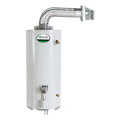
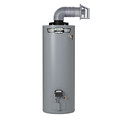
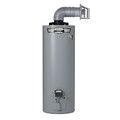
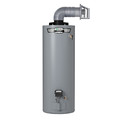
AO Smith ProLine Direct Vent Water Heaters


 --%3E %3Csvg version='1.1' id='No-RB' xmlns='http://www.w3.org/2000/svg' xmlns:xlink='http://www.w3.org/1999/xlink' x='0px' y='0px' viewBox='0 0 100 100' enable-background='new 0 0 100 100' xml:space='preserve'%3E %3Cpath fill='%23CECECE' d='M79.44,0.95H20.56C9.78,0.95,0.95,9.78,0.95,20.56v58.87c0,10.79,8.82,19.61,19.61,19.61h58.87 c10.79,0,19.61-8.83,19.61-19.61V20.56C99.05,9.78,90.22,0.95,79.44,0.95z M65.38,58.24l9.38,29.58L49.69,69.78L24.5,87.82 l9.34-29.6L8.8,39.6l30.73-0.17c0,0,6.98-19.61,10-28.93c0.54,1.36,9.88,29.1,9.88,29.1H91.2L65.38,58.24z'/%3E %3C/svg%3E)
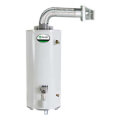
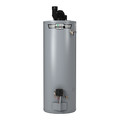
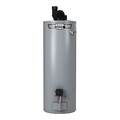
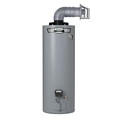
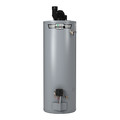
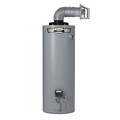
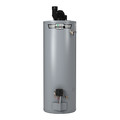


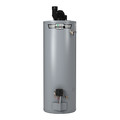
AO Smith ProLine direct vent water heaters draw combustion air from outside the home through a sealed intake pipe rather than pulling it from the surrounding space, and exhaust flue gases through a separate outdoor vent. That sealed combustion setup makes them a fit for installations in tight mechanical closets, mobile homes, and other spaces where indoor air quality or combustion air supply is a concern with a standard atmospheric vent unit. Plumbers specify direct vent models specifically when local code or the installation location rules out atmospheric venting.
Because both intake and exhaust run through dedicated piping, direct vent units typically need a specific venting kit matched to the unit and installation distance rather than relying on generic vent pipe sized on site. That makes venting planning part of the selection process rather than an afterthought, since the wrong vent length or diameter can affect both combustion performance and code compliance on the finished installation.
Subcategories
- Gas Direct Vent Water Heaters: Gas-fired direct vent units pair a sealed combustion chamber with an outdoor air intake, keeping combustion isolated from the surrounding indoor air. They're a common replacement choice in closets and confined spaces where an atmospheric vent water heater wouldn't have enough combustion air available. Recovery rate and first hour rating should be matched to household demand before selecting a specific tank size. Proper venting kit selection is required at installation to maintain the sealed combustion design.
- Direct Vent Replacement Parts: Thermocouples, gas control valves, anode rods, and other service parts keep an existing direct vent unit running through its service life. Because direct vent models rely on a sealed intake and exhaust system, replacement venting components need to match the original unit's specifications exactly rather than substituting a generic part. Stocking common wear parts such as thermocouples and pilot assemblies helps speed up service calls on units already in the field.
- Venting Kits and Accessories: Venting kits provide the matched intake and exhaust piping a direct vent unit needs to maintain its sealed combustion design. Kit length and diameter are selected based on the specific run distance from the unit to the exterior wall or roof termination. Termination caps and wall plates finish the installation at the point the vent exits the structure. Using a kit designed for the specific unit model helps keep the installation within the manufacturer's venting specifications.
Buying Guide
The first decision on any AO Smith ProLine direct vent water heater purchase is sizing the tank to household hot water demand, using recovery rate and first hour rating rather than tank capacity alone, since two tanks of the same size can deliver noticeably different amounts of hot water during peak use.
Installation space and venting path come next. Direct vent units need a clear route for both the intake and exhaust piping to reach outside air, and the maximum vent run allowed varies by model, so confirming that the planned installation location falls within that limit before purchase avoids a venting problem discovered mid-job.
Fuel type and input rating should match the home's existing gas supply and any local code requirements around combustion air. Because these units draw combustion air from outdoors rather than the mechanical space, they're often the right call in smaller utility closets, mobile home installations, or any space where an atmospheric vent unit would struggle to get adequate air.
Warranty terms and tank construction, including the anode rod material and tank lining, affect how long a unit lasts in a given water quality environment. Replacement anode rods and other service parts sold separately extend a tank's service life well beyond its original installation, which is worth factoring into the total cost of ownership over time.
Frequently Asked Questions
What makes a direct vent water heater different from an atmospheric vent model?
A direct vent unit draws combustion air from outside through a sealed intake pipe and exhausts flue gases through a separate outdoor vent, rather than pulling combustion air from the space around the unit as an atmospheric vent model does.
When is a direct vent water heater the better choice for an installation?
It's typically the right choice in tight mechanical closets, mobile homes, or other spaces where combustion air supply or indoor air quality rules out a standard atmospheric vent unit.
Does a direct vent unit need special venting materials?
Yes, it requires a venting kit matched to the specific unit and installation distance, since both the intake and exhaust piping need to maintain the sealed combustion design the unit relies on.
How is tank size determined for a direct vent water heater replacement?
Sizing should be based on recovery rate and first hour rating measured against household hot water demand, not simply matching the gallon capacity of the tank being replaced.
What service parts commonly need replacement on these units over time?
Thermocouples, gas control valves, and anode rods are common wear parts, and any venting component that needs replacement should match the original unit's specifications to keep the sealed combustion system intact.
