




Filters
SORT
Product Availability –
Product Type –
Brand –
Length (Feet) –
Material –
Size –
Review Score –
 --%3E %3Csvg version='1.1' id='Fill' xmlns='http://www.w3.org/2000/svg' xmlns:xlink='http://www.w3.org/1999/xlink' x='0px' y='0px' viewBox='0 0 100 100' enable-background='new 0 0 100 100' xml:space='preserve'%3E %3Cpath fill='%23F15C02' d='M79.44,0.95H20.56C9.78,0.95,0.95,9.78,0.95,20.56v58.87c0,10.79,8.82,19.61,19.61,19.61h58.87 c10.79,0,19.61-8.83,19.61-19.61V20.56C99.05,9.78,90.22,0.95,79.44,0.95z M65.38,58.24l9.38,29.58L49.69,69.78L24.5,87.82 l9.34-29.6L8.8,39.6l30.73-0.17c0,0,6.98-19.61,10-28.93c0.54,1.36,9.88,29.1,9.88,29.1H91.2L65.38,58.24z'/%3E %3C/svg%3E)
Price Range –
Conduit


 --%3E %3Csvg version='1.1' id='No-RB' xmlns='http://www.w3.org/2000/svg' xmlns:xlink='http://www.w3.org/1999/xlink' x='0px' y='0px' viewBox='0 0 100 100' enable-background='new 0 0 100 100' xml:space='preserve'%3E %3Cpath fill='%23CECECE' d='M79.44,0.95H20.56C9.78,0.95,0.95,9.78,0.95,20.56v58.87c0,10.79,8.82,19.61,19.61,19.61h58.87 c10.79,0,19.61-8.83,19.61-19.61V20.56C99.05,9.78,90.22,0.95,79.44,0.95z M65.38,58.24l9.38,29.58L49.69,69.78L24.5,87.82 l9.34-29.6L8.8,39.6l30.73-0.17c0,0,6.98-19.61,10-28.93c0.54,1.36,9.88,29.1,9.88,29.1H91.2L65.38,58.24z'/%3E %3C/svg%3E)


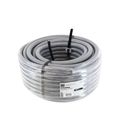


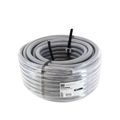


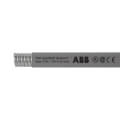


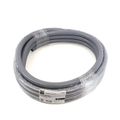
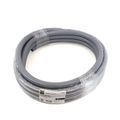
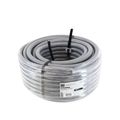
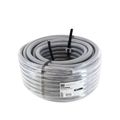

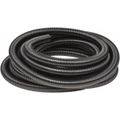



Conduit is rigid or flexible tubing that protects electrical wiring as it runs through walls, ceilings, underground, or exposed areas of a building. Electricians route conduit between panels, junction boxes, and fixtures to shield conductors from physical damage, moisture, and, depending on the material, corrosion, while also making it possible to pull new wire through a run later without opening walls again. Conduit choice depends heavily on the installation environment: an outdoor or underground run calls for a different material and fitting approach than a dry, indoor commercial ceiling space. Because code requirements around conduit type, fill capacity, and support spacing vary by application and jurisdiction, selecting the right conduit up front helps a job pass inspection without a rework trip.
Subcategories
- Rigid Metal Conduit: Heavy-wall steel or aluminum conduit that provides strong physical protection for wiring in exposed, industrial, or high-traffic areas. Its threaded connections make for a durable, code-recognized system where impact resistance matters.
- EMT Conduit: Electrical metallic tubing is a lighter-weight steel conduit commonly used in commercial and light industrial construction. It connects with compression or set-screw fittings rather than threads, making it faster to install than rigid conduit.
- PVC Conduit: Non-metallic conduit resistant to corrosion and moisture, frequently specified for underground runs, wet locations, and areas where metallic conduit would be prone to rust. Solvent-welded joints create a sealed, watertight connection.
- Flexible Conduit: Bendable metallic or non-metallic conduit used where rigid pipe would be impractical, such as connecting to motors, transformers, or equipment subject to vibration. Liquidtight versions add a protective jacket for wet or outdoor locations.
- Conduit Fittings and Accessories: Couplings, connectors, elbows, and straps that join conduit sections and secure them to structural surfaces. Choosing fittings rated for the same conduit type and environment keeps the entire run consistent and code-compliant.
Buying Guide
Selecting the right conduit starts with the installation environment. Indoor, dry commercial spaces are typically well served by EMT for its lower cost and faster installation, while wet, corrosive, or underground locations usually call for PVC or, where physical protection is also a concern, rigid metal conduit. Reviewing the specific location conditions before ordering avoids installing a conduit type that will not hold up or pass inspection.
Conduit size needs to account for the number and gauge of conductors that will be pulled through it, since electrical code sets maximum fill percentages based on conduit size and wire count. Oversizing slightly gives some room for future wire additions, while undersizing can make a wire pull difficult or noncompliant with fill requirements.
Fitting compatibility matters just as much as the conduit itself. EMT, rigid, PVC, and flexible conduit each use different connector styles, and mixing fitting types on the wrong conduit can create a weak or non-code-compliant joint. Sourcing fittings alongside the conduit for a given run helps keep the whole system matched.
For outdoor, underground, or otherwise exposed runs, factor in support spacing and protection requirements in addition to the conduit material itself. Conduit that will be buried needs adequate depth and, in many cases, a warning tape or concrete encasement depending on local code, while exposed runs need supports at the intervals the applicable code specifies for that conduit type.
Frequently Asked Questions
What is the difference between EMT and rigid metal conduit?
Rigid metal conduit has a thicker wall and uses threaded connections, giving it greater physical protection, while EMT is thinner-walled, lighter, and connects with compression or set-screw fittings, making it quicker to install in less demanding environments.
Can PVC conduit be used indoors?
Yes, PVC conduit can be used indoors where code permits, and it is often chosen for corrosive environments or wet locations even inside a building, though some jurisdictions restrict its use in certain occupancy types.
How is conduit fill calculated?
Fill is calculated using the cross-sectional area of the conductors compared to the internal area of the conduit, with electrical code setting maximum fill percentages based on the number of wires in the run. Conduit fill tables and calculators help confirm a run is within the allowed limit.
When is flexible conduit required instead of rigid conduit?
Flexible conduit is typically used where equipment vibrates, where final connections need some movement allowance, such as at a motor or transformer, or where routing through tight or irregular spaces makes rigid conduit impractical.
Does buried conduit need special protection?
Underground conduit runs often require a minimum burial depth, and depending on local code, may need warning tape above the conduit or concrete encasement for added protection, particularly under roadways or in areas with future excavation risk.
