




Filters
SORT
Product Availability –
Product Type –
Diameter (Inches) –
Review Score –
 --%3E %3Csvg version='1.1' id='Fill' xmlns='http://www.w3.org/2000/svg' xmlns:xlink='http://www.w3.org/1999/xlink' x='0px' y='0px' viewBox='0 0 100 100' enable-background='new 0 0 100 100' xml:space='preserve'%3E %3Cpath fill='%23F15C02' d='M79.44,0.95H20.56C9.78,0.95,0.95,9.78,0.95,20.56v58.87c0,10.79,8.82,19.61,19.61,19.61h58.87 c10.79,0,19.61-8.83,19.61-19.61V20.56C99.05,9.78,90.22,0.95,79.44,0.95z M65.38,58.24l9.38,29.58L49.69,69.78L24.5,87.82 l9.34-29.6L8.8,39.6l30.73-0.17c0,0,6.98-19.61,10-28.93c0.54,1.36,9.88,29.1,9.88,29.1H91.2L65.38,58.24z'/%3E %3C/svg%3E)
Price Range –
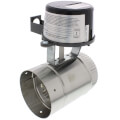
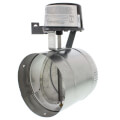
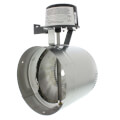
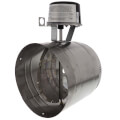
Field Controls Automatic GVD Dampers

 --%3E %3Csvg version='1.1' id='Half' xmlns='http://www.w3.org/2000/svg' xmlns:xlink='http://www.w3.org/1999/xlink' x='0px' y='0px' viewBox='0 0 100 100' enable-background='new 0 0 100 100' xml:space='preserve'%3E %3Cg%3E %3Cpath fill='%23F15C02' d='M30.05,70.23l3.79-12.01L8.8,39.6l30.73-0.17c0,0,6.98-19.61,10-28.93c0.54,1.36,9.88,29.1,9.88,29.1h1.58 L93.71,7.18c-3.58-3.82-8.66-6.23-14.28-6.23H20.56C9.78,0.95,0.95,9.78,0.95,20.56v58.87c0,5.41,2.22,10.32,5.79,13.88 L30.05,70.23z'/%3E %3C/g%3E %3Cpath fill='%23FBC8B4' d='M93.71,7.18L60.98,39.6H91.2L65.38,58.24l9.38,29.58L49.69,69.78L24.5,87.82l5.55-17.59L6.75,93.32 c3.55,3.54,8.44,5.73,13.82,5.73h58.87c10.79,0,19.61-8.83,19.61-19.61V20.56C99.05,15.4,97.01,10.69,93.71,7.18z'/%3E %3C/svg%3E)




 --%3E %3Csvg version='1.1' id='No-RB' xmlns='http://www.w3.org/2000/svg' xmlns:xlink='http://www.w3.org/1999/xlink' x='0px' y='0px' viewBox='0 0 100 100' enable-background='new 0 0 100 100' xml:space='preserve'%3E %3Cpath fill='%23CECECE' d='M79.44,0.95H20.56C9.78,0.95,0.95,9.78,0.95,20.56v58.87c0,10.79,8.82,19.61,19.61,19.61h58.87 c10.79,0,19.61-8.83,19.61-19.61V20.56C99.05,9.78,90.22,0.95,79.44,0.95z M65.38,58.24l9.38,29.58L49.69,69.78L24.5,87.82 l9.34-29.6L8.8,39.6l30.73-0.17c0,0,6.98-19.61,10-28.93c0.54,1.36,9.88,29.1,9.88,29.1H91.2L65.38,58.24z'/%3E %3C/svg%3E)


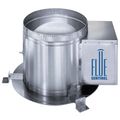


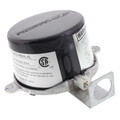
Field Controls Automatic GVD dampers are motorized flue dampers that close off a gas appliance's vent when the burner isn't firing, then open automatically the moment a call for heat starts the burner again. Without a damper, warm room air keeps rising up an open flue between burner cycles, pulling conditioned air out of the building and wasting energy on a furnace, boiler, or water heater that fires intermittently. The GVD damper wires into the appliance's control circuit so the motor opens the blade before ignition and closes it again once the burner shuts down, keeping the flue sealed the rest of the time. Field Controls sizes these dampers by flue diameter, with common sizes covering small residential appliances up through larger commercial flue runs. Contractors typically install a GVD damper as an energy-saving retrofit on an older gas appliance or specify one on new equipment that didn't ship with a built-in damper.
Subcategories
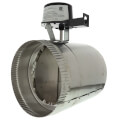
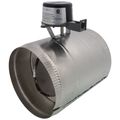
- Automatic Vent Dampers: Automatic vent dampers are the core GVD product, sized by diameter to match the appliance's flue pipe and wired into the burner's control circuit. The motor drives the blade open before ignition and closed after the burner shuts down, cutting standby heat loss up the flue. Contractors match the diameter to the existing flue pipe rather than the appliance's BTU rating, since an oversized or undersized damper won't seat correctly. These dampers are sold without a harness for jobs reusing existing wiring.
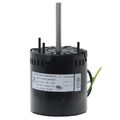
- Motor Assemblies: Motor assemblies are the replacement part for the damper's actuator when the blade stops opening or closing correctly but the rest of the damper housing is still in good condition. Replacing just the motor is faster and less expensive than replacing the entire damper body. Technicians match the motor assembly to the specific damper model rather than assuming universal fit, since mounting brackets and wiring connections vary between Field Controls product generations.
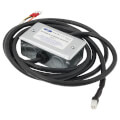
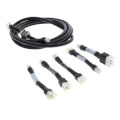
- Wiring Harnesses: Wiring harnesses connect the damper motor to the appliance's control board, and Field Controls offers both standard-length and extended harnesses for installations where the damper sits farther from the control panel. A universal harness with conduit is available for retrofits where routing needs extra protection along the run. Technicians should confirm harness length before ordering to avoid running a splice mid-job.
- Fireplace Flue Sentinel Dampers: Flue Sentinel dampers apply the same automatic damper concept to fireplace flues rather than furnace or boiler vents, closing off the chimney between uses to cut heat loss from a fireplace that sits idle most of the year. These come in low-profile designs for tighter chimney clearances as well as standard designs, sized by flue diameter. A 24-volt harness ships with most models to simplify connecting to a wall switch or thermostat-style control.
Buying Guide
Buying a Field Controls Automatic GVD damper starts with confirming the flue diameter on the existing installation, since dampers are sized by pipe diameter rather than appliance BTU input. Field Controls covers a range of round diameters, so matching the measured flue pipe to the correct model avoids an install that won't seat properly against the existing duct. Next, decide whether the job needs a complete damper, including motor and housing, or just a replacement motor assembly for an existing housing that's otherwise in good shape. A full replacement makes sense when the housing itself shows wear or damage, while a motor-only replacement is the faster, lower-cost repair when the housing and blade are still sound. Wiring is the next consideration: confirm whether the existing harness can be reused or whether a new harness, including an extended or conduit-protected option, is needed for the specific routing on that job. For fireplace applications, the Flue Sentinel line addresses the same standby heat loss problem but is sized and mounted differently than a furnace or boiler damper, so it shouldn't be substituted for a standard GVD unit. Contractors retrofitting an older gas appliance without a damper should also confirm the appliance's control board has a compatible interlock circuit before wiring in a new automatic damper, since some older systems need an add-on relay to coordinate timing correctly.
Frequently Asked Questions
What does a GVD damper actually save on energy costs?
It reduces standby heat loss by sealing the flue when the burner isn't firing, which stops warm conditioned air from rising up an open vent between heating cycles. The exact savings depend on the appliance's cycling frequency and the building's heating load.
How is a replacement damper sized?
Dampers are sized by the flue pipe's diameter, not the appliance's BTU rating, so measuring the existing flue pipe is the first step before ordering a replacement.
Can just the motor be replaced instead of the whole damper?
Yes, if the housing and blade are still in good condition, a motor assembly replacement is usually faster and less expensive than swapping the entire damper.
Are fireplace flue dampers interchangeable with furnace vent dampers?
No. Flue Sentinel fireplace dampers are sized and mounted differently than GVD dampers used on furnaces, boilers, and water heaters, so they aren't a substitute for one another.
Does an older gas appliance need extra wiring to add an automatic damper?
Some older control boards need an add-on relay or interlock to properly coordinate the damper's open and close timing with the burner, so it's worth checking the appliance's control circuit before installation.
