




Fire Protection Valves

 --%3E %3Csvg version='1.1' id='Fill' xmlns='http://www.w3.org/2000/svg' xmlns:xlink='http://www.w3.org/1999/xlink' x='0px' y='0px' viewBox='0 0 100 100' enable-background='new 0 0 100 100' xml:space='preserve'%3E %3Cpath fill='%23F15C02' d='M79.44,0.95H20.56C9.78,0.95,0.95,9.78,0.95,20.56v58.87c0,10.79,8.82,19.61,19.61,19.61h58.87 c10.79,0,19.61-8.83,19.61-19.61V20.56C99.05,9.78,90.22,0.95,79.44,0.95z M65.38,58.24l9.38,29.58L49.69,69.78L24.5,87.82 l9.34-29.6L8.8,39.6l30.73-0.17c0,0,6.98-19.61,10-28.93c0.54,1.36,9.88,29.1,9.88,29.1H91.2L65.38,58.24z'/%3E %3C/svg%3E)

 --%3E %3Csvg version='1.1' id='No-RB' xmlns='http://www.w3.org/2000/svg' xmlns:xlink='http://www.w3.org/1999/xlink' x='0px' y='0px' viewBox='0 0 100 100' enable-background='new 0 0 100 100' xml:space='preserve'%3E %3Cpath fill='%23CECECE' d='M79.44,0.95H20.56C9.78,0.95,0.95,9.78,0.95,20.56v58.87c0,10.79,8.82,19.61,19.61,19.61h58.87 c10.79,0,19.61-8.83,19.61-19.61V20.56C99.05,9.78,90.22,0.95,79.44,0.95z M65.38,58.24l9.38,29.58L49.69,69.78L24.5,87.82 l9.34-29.6L8.8,39.6l30.73-0.17c0,0,6.98-19.61,10-28.93c0.54,1.36,9.88,29.1,9.88,29.1H91.2L65.38,58.24z'/%3E %3C/svg%3E)
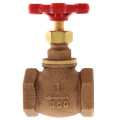
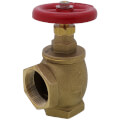
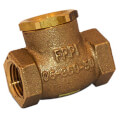
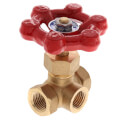
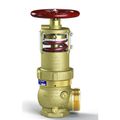
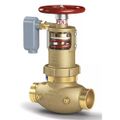
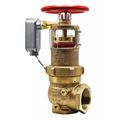
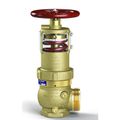

Fire protection valves control water flow through sprinkler and standpipe systems, and NFPA 13 requires every system control valve to be listed for the service before it goes into a project. OS&Y gate valves, butterfly valves, and check valves each handle a different role in the system, from isolating a section for maintenance to preventing backflow that could contaminate the water supply. Closing speed matters as much as the valve type: NFPA 13 requires control valves to close slowly, taking at least five seconds, since a fast shutoff can cause water hammer that damages piping and fittings. Butterfly valves used in fire protection service carry a UL 1091 listing specific to that application, distinct from the general-purpose butterfly valves used elsewhere in a building's plumbing. Getting the valve type, listing, and closing-speed rating right isn't optional on a fire protection job, since an unlisted or mismatched valve can fail inspection or, worse, fail during an actual fire event.
Subcategories
- OS&Y Gate Valves: OS&Y, or outside screw and yoke, gate valves are the standard control valve for isolating sections of a fire sprinkler or standpipe system. The visible stem position, extended when open and retracted when closed, gives an instant visual check on valve status without opening an access panel. Reliable's Model L399 OS&Y gate valve, for example, carries a UL Listing for fire protection service. Fire protection contractors specify OS&Y valves anywhere NFPA 13 calls for a supervised, visually verifiable control valve.
- Butterfly Valves: Butterfly valves use a rotating disc on a stem to control flow, operated by a handle or gear actuator rather than a rising stem. Fire protection service requires a UL 1091 listing specific to that application, separate from the general-purpose butterfly valves used in other plumbing systems. Their compact, lighter-weight design makes them a common choice in modern sprinkler system installations where space around the riser is limited. Like other system control valves, NFPA 13 requires them to close slowly enough to avoid water hammer in the piping.
- Check Valves: Check valves allow water to flow in one direction only, preventing backflow that could damage a fire protection system or introduce contamination into the water supply. They're commonly installed alongside fire pumps and at points in a sprinkler system where maintaining consistent water pressure and flow direction matters. Unlike OS&Y and butterfly valves, check valves operate automatically based on flow direction rather than through a handle or actuator. Fire protection contractors place them wherever the system needs one-way flow protection without a manually operated control point.
Buying Guide
Start with what NFPA 13 requires for the specific application, since every system control valve on a fire sprinkler or standpipe system has to carry a listing for fire protection service before it goes into the design. A fire protection listing isn't the same as a general-purpose plumbing valve's rating: butterfly valves used in this service need a UL 1091 listing specific to fire protection, separate from valves rated for other plumbing systems. Next, match the valve type to its role in the system. OS&Y gate valves give a visual, supervised way to isolate a section for maintenance since the stem position shows open or closed at a glance, which matters anywhere an inspector or fire marshal needs to confirm valve status without opening an access panel. Check valves handle the opposite job, allowing flow in one direction only to stop backflow near a fire pump or other point where flow direction has to stay consistent. Closing speed applies across every valve type in the system: NFPA 13 requires control valves to close over at least five seconds to prevent water hammer, so confirming that rating on any Fire Protection Valves under consideration matters as much as confirming the listing itself. Skipping either check, the listing or the closing-speed rating, risks a failed inspection or a valve that doesn't perform the way the system design assumes during an actual fire event.
Frequently Asked Questions
What's the difference between an OS&Y valve and a butterfly valve in fire protection?
OS&Y, or outside screw and yoke, gate valves show valve position through a visible stem that extends when open and retracts when closed, giving an instant visual check without opening a panel. Butterfly valves use a rotating disc operated by a handle or gear actuator and carry their own UL 1091 listing specific to fire protection service. Both function as system control valves under NFPA 13, but the actuation mechanism and visual indication differ between the two types.
Why do fire protection valves need to close slowly?
NFPA 13 requires control valves in sprinkler and standpipe systems to close over at least five seconds rather than shutting off quickly. A fast shutoff can cause water hammer, a pressure surge that stresses piping, fittings, and connected equipment. Meeting that closing-speed requirement applies across OS&Y, butterfly, and other control valve types used in fire protection systems.
What does it mean for a fire protection valve to be listed?
A listing means an independent testing organization like UL has verified the valve performs to the standard required for fire protection service, such as UL 1091 for butterfly valves used in that application. NFPA 13 requires every system control valve to carry this kind of listing before it goes into a sprinkler or standpipe system. An unlisted valve, even one rated for general plumbing use, doesn't meet that requirement regardless of pressure rating.
What role do check valves play in a fire protection system?
Check valves allow water to flow in one direction only, which prevents backflow that could damage the system or introduce contamination into the water supply. They commonly install alongside fire pumps and at other points in the system where flow direction has to stay consistent. Unlike OS&Y or butterfly valves, check valves operate automatically based on flow rather than through a handle or actuator.
Can a general-purpose butterfly valve be used in a fire sprinkler system?
General-purpose butterfly valves rated for standard plumbing use don't meet the requirement for fire protection service, which calls for a UL 1091 listing specific to that application. Using an unlisted valve on a system control point risks failing inspection under NFPA 13. Confirming the fire protection listing on a butterfly valve before installation is part of specifying the correct part for the job.
