




Filters
SORT
Product Availability –
Brand –
Capacity (Gallons) –
Height (Inches) –
Review Score –
 --%3E %3Csvg version='1.1' id='Fill' xmlns='http://www.w3.org/2000/svg' xmlns:xlink='http://www.w3.org/1999/xlink' x='0px' y='0px' viewBox='0 0 100 100' enable-background='new 0 0 100 100' xml:space='preserve'%3E %3Cpath fill='%23F15C02' d='M79.44,0.95H20.56C9.78,0.95,0.95,9.78,0.95,20.56v58.87c0,10.79,8.82,19.61,19.61,19.61h58.87 c10.79,0,19.61-8.83,19.61-19.61V20.56C99.05,9.78,90.22,0.95,79.44,0.95z M65.38,58.24l9.38,29.58L49.69,69.78L24.5,87.82 l9.34-29.6L8.8,39.6l30.73-0.17c0,0,6.98-19.61,10-28.93c0.54,1.36,9.88,29.1,9.88,29.1H91.2L65.38,58.24z'/%3E %3C/svg%3E)
 --%3E %3Csvg version='1.1' id='With-RB' xmlns='http://www.w3.org/2000/svg' xmlns:xlink='http://www.w3.org/1999/xlink' x='0px' y='0px' viewBox='0 0 100 100' enable-background='new 0 0 100 100' xml:space='preserve'%3E %3Cpath fill='%23FBC8B4' d='M79.44,0.95H20.56C9.78,0.95,0.95,9.78,0.95,20.56v58.87c0,10.79,8.82,19.61,19.61,19.61h58.87 c10.79,0,19.61-8.83,19.61-19.61V20.56C99.05,9.78,90.22,0.95,79.44,0.95z M65.38,58.24l9.38,29.58L49.69,69.78L24.5,87.82 l9.34-29.6L8.8,39.6l30.73-0.17c0,0,6.98-19.61,10-28.93c0.54,1.36,9.88,29.1,9.88,29.1H91.2L65.38,58.24z'/%3E %3C/svg%3E)
Price Range –
Glycol Feeders


 --%3E %3Csvg version='1.1' id='Half' xmlns='http://www.w3.org/2000/svg' xmlns:xlink='http://www.w3.org/1999/xlink' x='0px' y='0px' viewBox='0 0 100 100' enable-background='new 0 0 100 100' xml:space='preserve'%3E %3Cg%3E %3Cpath fill='%23F15C02' d='M30.05,70.23l3.79-12.01L8.8,39.6l30.73-0.17c0,0,6.98-19.61,10-28.93c0.54,1.36,9.88,29.1,9.88,29.1h1.58 L93.71,7.18c-3.58-3.82-8.66-6.23-14.28-6.23H20.56C9.78,0.95,0.95,9.78,0.95,20.56v58.87c0,5.41,2.22,10.32,5.79,13.88 L30.05,70.23z'/%3E %3C/g%3E %3Cpath fill='%23FBC8B4' d='M93.71,7.18L60.98,39.6H91.2L65.38,58.24l9.38,29.58L49.69,69.78L24.5,87.82l5.55-17.59L6.75,93.32 c3.55,3.54,8.44,5.73,13.82,5.73h58.87c10.79,0,19.61-8.83,19.61-19.61V20.56C99.05,15.4,97.01,10.69,93.71,7.18z'/%3E %3C/svg%3E)




 --%3E %3Csvg version='1.1' id='No-RB' xmlns='http://www.w3.org/2000/svg' xmlns:xlink='http://www.w3.org/1999/xlink' x='0px' y='0px' viewBox='0 0 100 100' enable-background='new 0 0 100 100' xml:space='preserve'%3E %3Cpath fill='%23CECECE' d='M79.44,0.95H20.56C9.78,0.95,0.95,9.78,0.95,20.56v58.87c0,10.79,8.82,19.61,19.61,19.61h58.87 c10.79,0,19.61-8.83,19.61-19.61V20.56C99.05,9.78,90.22,0.95,79.44,0.95z M65.38,58.24l9.38,29.58L49.69,69.78L24.5,87.82 l9.34-29.6L8.8,39.6l30.73-0.17c0,0,6.98-19.61,10-28.93c0.54,1.36,9.88,29.1,9.88,29.1H91.2L65.38,58.24z'/%3E %3C/svg%3E)

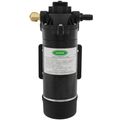
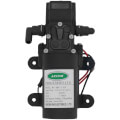
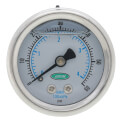
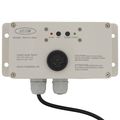
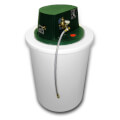
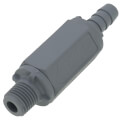
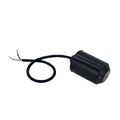
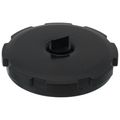
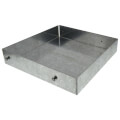
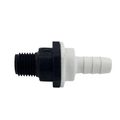
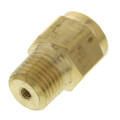

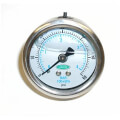
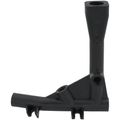
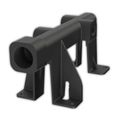
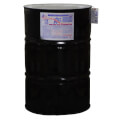
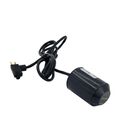
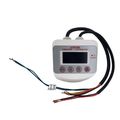
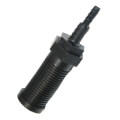
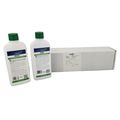
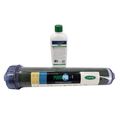

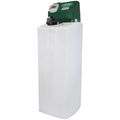
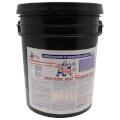
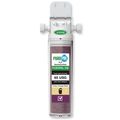
Glycol feeders are automatic makeup units that keep a closed hydronic heating or chilled water loop topped off with the correct glycol and water mixture instead of plain water. A boiler or chiller loop naturally loses small amounts of fluid over time through air vents, pump seals, and minor fitting seepage, and a standard water-only feeder would dilute the glycol concentration with every makeup cycle. A dedicated glycol feeder draws from a premixed reservoir so the freeze protection or heat transfer properties of the loop stay consistent instead of drifting toward plain water. Commercial installations lean on glycol feeders more than residential ones, since larger systems have more joints and components where small losses add up. Skipping a proper glycol feeder on a glycol-protected loop is a common reason freeze protection quietly weakens over a season without anyone noticing until a hard freeze exposes the problem.
Subcategories
- Automatic Glycol Feeders: Automatic glycol feeders monitor loop pressure and add premixed fluid on their own whenever pressure drops below a set point, removing the need for someone to manually check and top off the system. They typically include a pump, pressure switch, and low-level alarm or shutoff to protect against running the reservoir dry. Commercial boiler rooms and chiller plants rely on these units to keep pressure steady between scheduled maintenance visits.
- Manual Glycol Feed Pumps: Manual glycol feed pumps require a technician to operate the pump by hand to push premixed fluid into the loop, which suits smaller systems or installations where automatic monitoring is not justified. These units cost less upfront than automatic feeders and have fewer components that can fail, but they depend on someone noticing low pressure before a top-off happens. Many manual feeders use a simple hand pump or a small electric pump triggered by a switch rather than a pressure sensor.
- Glycol Feeder Reservoirs & Tanks: Glycol feeder reservoirs and tanks hold the premixed glycol and water solution that the feeder pump draws from, and sizing the reservoir to the loop's typical makeup demand keeps a technician from refilling it too often. Tanks range from small wall-mounted units for light commercial jobs up to larger freestanding reservoirs for bigger boiler plants. A clear or gauge-equipped tank makes it easy to check fluid level and concentration at a glance during routine rounds.
- Glycol Feeder Replacement Parts: Glycol feeder replacement parts cover the pumps, pressure switches, check valves, and strainers that wear out over years of cycling premixed fluid through a feeder. A pump that runs constantly without building pressure often points to a failed check valve letting fluid backflow, while a feeder that never activates can mean a bad pressure switch. Keeping common wear parts on hand shortens a service call on an older feeder instead of waiting on a full replacement unit.
Buying Guide
Choosing between an automatic and a manual glycol feeder mostly comes down to how often the loop gets checked and how much fluid loss the system typically sees. A commercial building with a boiler room that only gets a technician on site once a month benefits from an automatic feeder with a low-level alarm, since nobody is around to catch a slow pressure drop between visits. A smaller residential or light commercial loop with infrequent makeup needs may do fine with a manual feed pump, saving the upfront cost of the extra monitoring hardware. Reservoir size should match expected makeup volume over a typical service interval, since an undersized tank on a system with a persistent slow leak means more frequent refills rather than fewer. Glycol Feeders also need to match the loop's existing glycol concentration and type, whether propylene or ethylene glycol, since introducing a different mixture into the same loop can throw off the intended freeze protection level. Pressure switch settings on automatic feeders should track the system's normal operating pressure range closely enough to catch a real leak without nuisance cycling from ordinary pressure fluctuation. Systems with a history of chronic small leaks are also a signal to address the underlying leak rather than relying on the feeder to mask it indefinitely, since a feeder that runs constantly is compensating for a problem rather than solving it.
Frequently Asked Questions
Why can't a standard water makeup feeder be used on a glycol loop?
A standard feeder draws from the domestic water supply, which would dilute the glycol concentration every time it adds makeup fluid. Over enough cycles, the loop's freeze protection or heat transfer properties would drift away from the original design mixture, which defeats the purpose of using glycol in the first place.
How does a technician know if a glycol feeder is working correctly?
A properly functioning automatic feeder should activate only occasionally, in response to a real pressure drop, and should stop once pressure is restored. A feeder that runs constantly or very frequently usually signals a leak in the loop rather than a problem with the feeder itself, and it is worth tracing before assuming the feeder needs replacement.
Can an automatic glycol feeder run dry if the reservoir empties?
It can, which is why most automatic feeders include a low-level shutoff or alarm. Without that protection, a pump that keeps trying to draw from an empty reservoir can run dry and burn out, so checking that the low-level safety is functioning is part of routine maintenance.
Does the type of glycol in the reservoir matter for feeder compatibility?
The feeder pump itself typically works with either propylene or ethylene glycol mixtures, but the reservoir should always be filled with the same type and concentration already in the loop. Mixing glycol types or introducing an inconsistent concentration can affect both freeze protection and compatibility with existing seals and gaskets in the system.
How often should a glycol feeder reservoir be checked?
Check frequency depends on the loop's typical fluid loss and the reservoir's size, but a quick visual check during any scheduled boiler room visit is a reasonable baseline. A system with a known slow leak or one that has recently needed frequent top-offs warrants closer attention until the root cause is addressed.
