




PEX Elbows
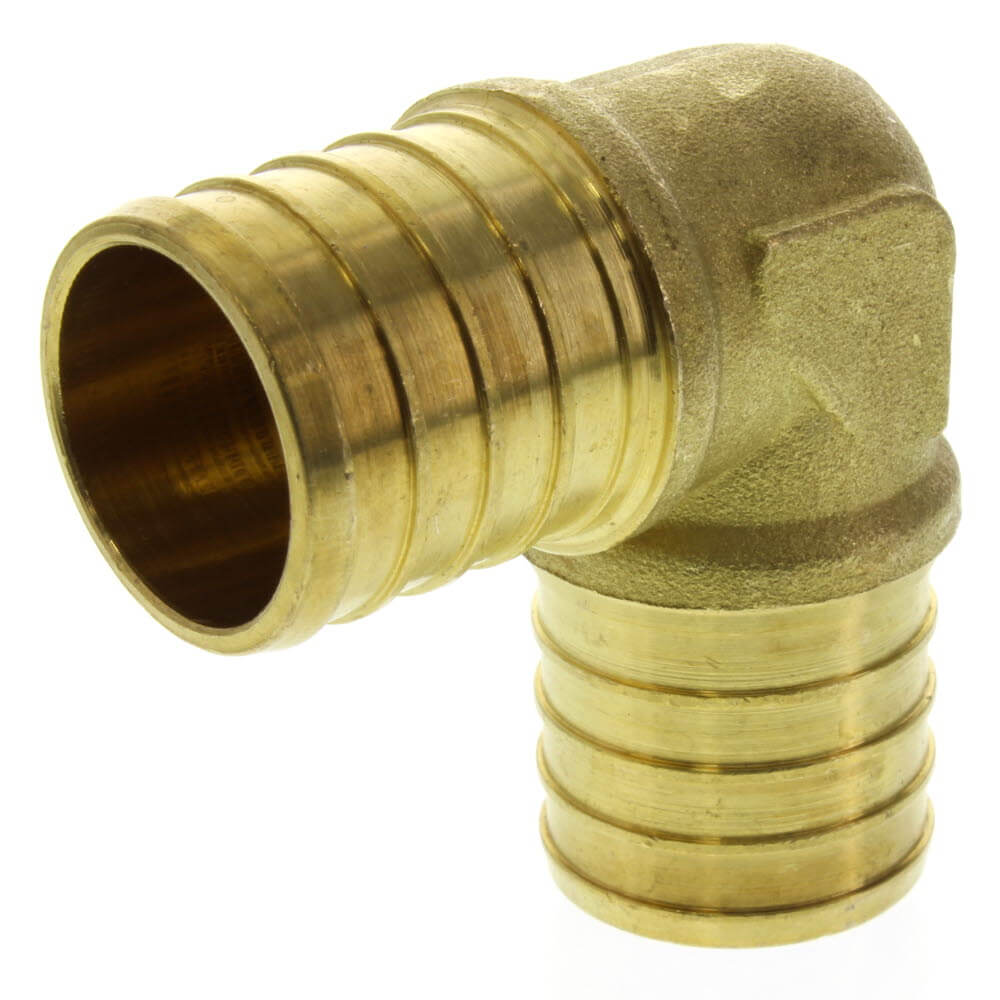
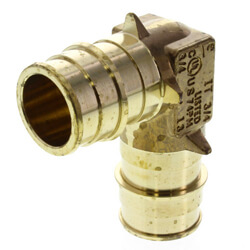
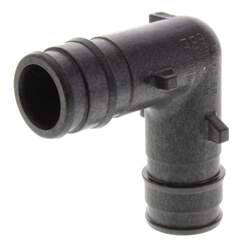
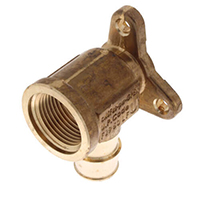
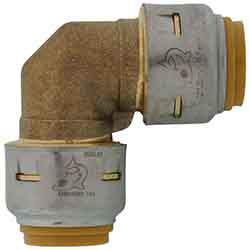
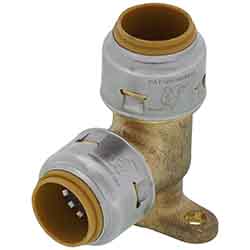
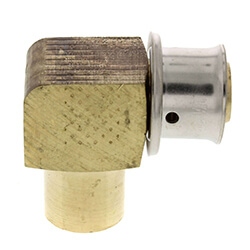
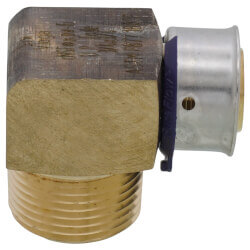
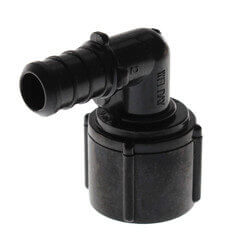
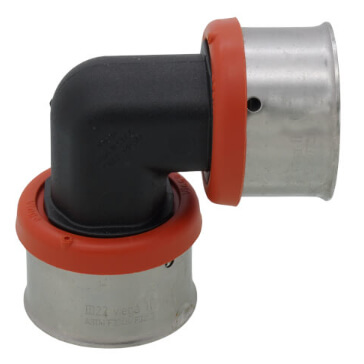
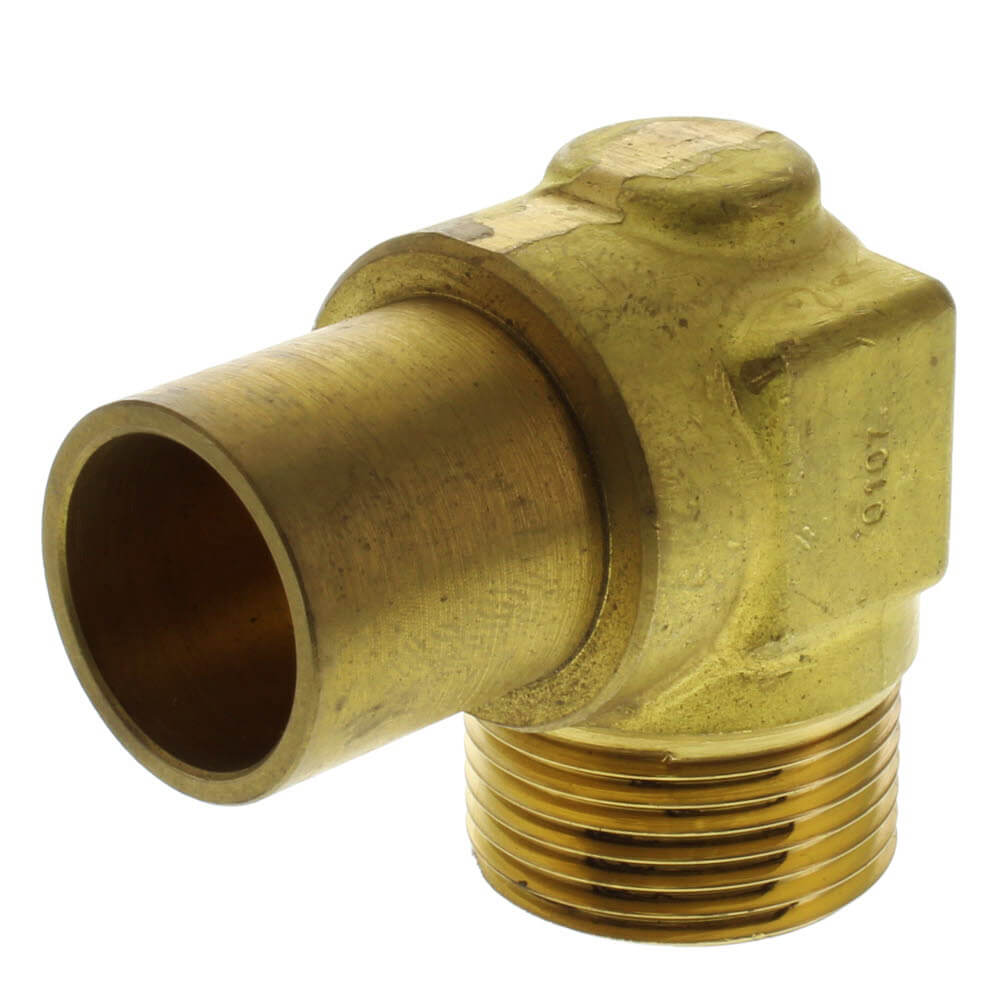
PEX elbows change the direction of a PEX tubing run, with this category currently featuring a SharkBite push-fit style that combines a 90 degree turn with an integrated drain port.
A drain-equipped elbow lets a plumber add a drain point at a turn in the line without sourcing a separate tee and valve. Push-fit elbows install without special tools, which speeds up service work in tight or hard-to-access spaces.







Subcategories
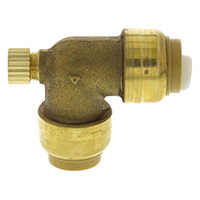
- Sharkbite 90° Elbows with Drain: This push-fit elbow combines a 90 degree turn with a small drain valve at the fitting body, letting a line be shut off and bled down at that point without cutting in a separate stop-and-waste valve. Push-fit connection means no torch, clamp, or crimp tool is needed, so the fitting can go in during a service call as easily as during new construction.
Buying Guide
Selecting the right PEX elbow starts with confirming tubing size, since PEX elbows are sized to match a specific tubing diameter and are not interchangeable across sizes without a reducing fitting.
Connection method should match the tools already on the truck. A crew running crimp rings and a crimp tool gets the most value from crimp-style elbows, while a service tech without press or crimp tools benefits from push-fit fittings that need no special tool at all.
A drain-style elbow is worth the extra cost anywhere a line needs to be bled down seasonally, such as an irrigation feed, hose bib line, or vacation-home plumbing that gets shut down and drained over winter.
Material compatibility matters when an elbow sits at a transition point. Confirm whether the fitting body is rated for direct burial, UV exposure, or hot water service if the installation location calls for any of those conditions.
Keep a small stock of the most common elbow sizes and connection types on hand rather than special-ordering one fitting at a time, since a single missing elbow can hold up an otherwise finished rough-in.
Frequently Asked Questions
What is a drain-style PEX elbow used for?
A drain-style elbow adds a small valve at the fitting body so a line can be shut off and bled down at that point, which is useful for irrigation feeds, hose bibs, and any run that needs to be drained for winterization.
Do Sharkbite PEX elbows require a special tool to install?
No. Push-fit elbows connect by pushing the tubing into the fitting body, so no torch, clamp, or crimp tool is needed to make the connection.
Can PEX elbows be used interchangeably across different tubing sizes?
PEX elbows are sized to a specific tubing diameter and are not interchangeable across sizes without adding a separate reducing fitting between the two diameters.
Are push-fit PEX elbows rated for hot water lines?
Rated temperature and pressure limits vary by fitting, so confirm the specific elbow's rating against the hot water line's operating temperature before installing it on a hot water run.
When should a plumber choose a drain elbow over a standard elbow?
A drain elbow is the better choice anywhere a line needs periodic draining, such as seasonal irrigation systems or vacation properties, since it removes the need to add a separate stop-and-waste valve at that point in the run.
Resources
Subcategories
- Sharkbite 90° Elbows with Drain: This push-fit elbow combines a 90 degree turn with a small drain valve at the fitting body, letting a line be shut off and bled down at that point without cutting in a separate stop-and-waste valve. Push-fit connection means no torch, clamp, or crimp tool is needed, so the fitting can go in during a service call as easily as during new construction.
Buying Guide
Selecting the right PEX elbow starts with confirming tubing size, since PEX elbows are sized to match a specific tubing diameter and are not interchangeable across sizes without a reducing fitting.
Connection method should match the tools already on the truck. A crew running crimp rings and a crimp tool gets the most value from crimp-style elbows, while a service tech without press or crimp tools benefits from push-fit fittings that need no special tool at all.
A drain-style elbow is worth the extra cost anywhere a line needs to be bled down seasonally, such as an irrigation feed, hose bib line, or vacation-home plumbing that gets shut down and drained over winter.
Material compatibility matters when an elbow sits at a transition point. Confirm whether the fitting body is rated for direct burial, UV exposure, or hot water service if the installation location calls for any of those conditions.
Keep a small stock of the most common elbow sizes and connection types on hand rather than special-ordering one fitting at a time, since a single missing elbow can hold up an otherwise finished rough-in.
Frequently Asked Questions
What is a drain-style PEX elbow used for?
A drain-style elbow adds a small valve at the fitting body so a line can be shut off and bled down at that point, which is useful for irrigation feeds, hose bibs, and any run that needs to be drained for winterization.
Do Sharkbite PEX elbows require a special tool to install?
No. Push-fit elbows connect by pushing the tubing into the fitting body, so no torch, clamp, or crimp tool is needed to make the connection.
Can PEX elbows be used interchangeably across different tubing sizes?
PEX elbows are sized to a specific tubing diameter and are not interchangeable across sizes without adding a separate reducing fitting between the two diameters.
Are push-fit PEX elbows rated for hot water lines?
Rated temperature and pressure limits vary by fitting, so confirm the specific elbow's rating against the hot water line's operating temperature before installing it on a hot water run.
When should a plumber choose a drain elbow over a standard elbow?
A drain elbow is the better choice anywhere a line needs periodic draining, such as seasonal irrigation systems or vacation properties, since it removes the need to add a separate stop-and-waste valve at that point in the run.